Rubio’s Vatican Mission: Damage Control Amid Shell’s $6.9B War Windfall and Tehran’s Gold Surge
ماموریت روبیو در واتیکان؛ سود ۷ میلیارد دلاری شل از جنگ و تداوم پیشتازی طلا در تهران
US Secretary of State Marco Rubio heads to the Vatican to mend ties after Trump’s criticisms, while Shell reports massive profits driven by regional volatility. In Tehran, gold prices continue their ascent despite a slight cooling in the dollar's exchange rate.
At time of publishing
USD
175,400
Toman
Gold 18K
20.11M
Toman / gram
Bitcoin
$81,416
US Dollar
Tether
17,600
Toman
Diplomacy in the Shadow of Discord: Rubio Meets the Pope
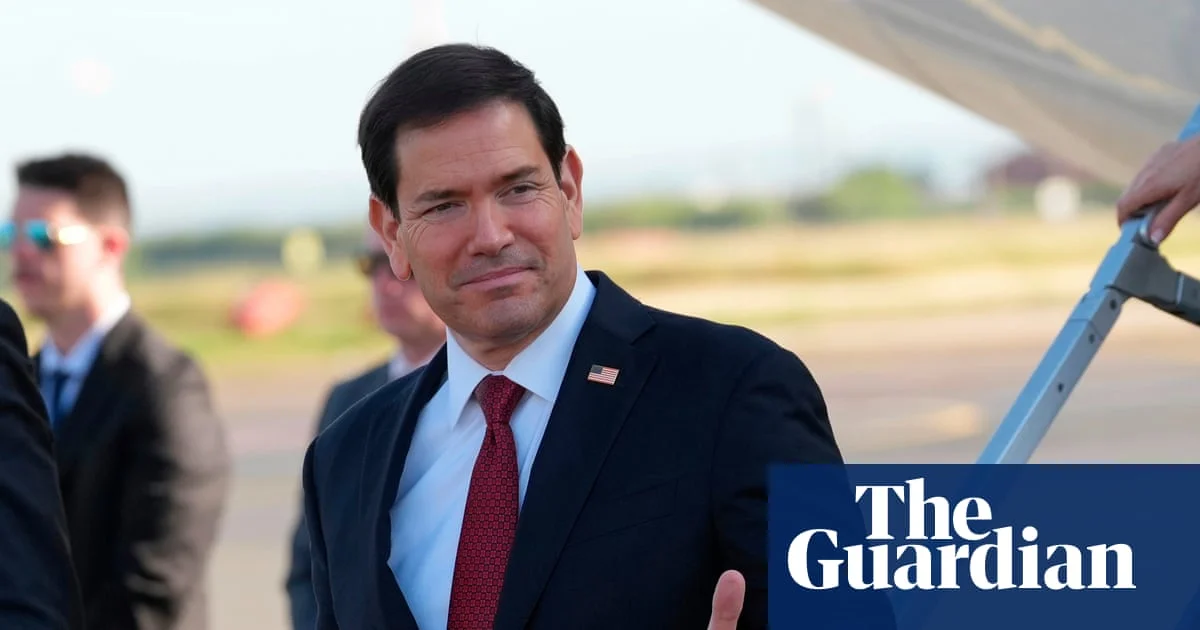
US Secretary of State Marco Rubio is scheduled to meet Pope Leo at the Vatican this Thursday, a high-stakes diplomatic maneuver intended to stabilize relations following Donald Trump’s repeated verbal broadsides against the first North American pontiff. The friction between Washington and the Holy See has reached unprecedented levels, exacerbated by Trump’s criticism of the Italian government for its perceived lack of enthusiasm regarding the ongoing conflict involving Iran. Rubio’s visit to the Apostolic Palace is more than a courtesy call; it is an attempt to reassure European allies and the Catholic world that the administration’s geopolitical strategy remains coherent, even as the rhetoric from the top suggests otherwise.
The meeting comes at a critical juncture where the conflict is being framed not just as a military engagement, but as a psychological and performative contest. Analysts suggest that the Vatican’s influence in mediating international disputes remains a wildcard that the US cannot afford to ignore. For Iranian observers, this diplomatic friction is a double-edged sword. While a rift between Washington and its traditional allies might suggest a weakening of the unified front, the underlying cause—the pressure for a more aggressive stance—continues to keep markets on edge, influencing the risk appetite of global investors and the valuation of the Toman.

---
Shell’s War Windfall and the Global Energy Crunch
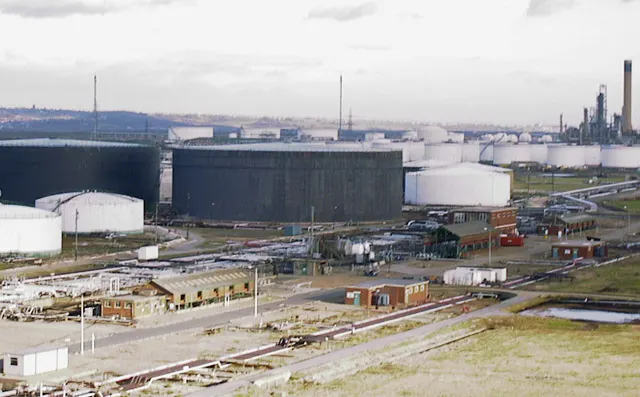
While diplomacy falters, the energy sector is reaping the rewards of regional instability. Shell has reported a staggering $6.9 billion in adjusted earnings for the first quarter of 2026, significantly outperforming analyst expectations. The company explicitly attributed this windfall to the surge in oil prices triggered by the conflict in Iran and the resulting volatility in global markets. This "war windfall" highlights a growing trend where energy supermajors are benefiting from the very geopolitical crises that are driving up costs for consumers worldwide. The ability of these firms to leverage trading profits during periods of chaos has once again placed them at the center of a heated global debate over corporate responsibility during wartime.
Simultaneously, the European Union has taken the drastic step of suspending methane emission rules as the energy crunch intensifies. This policy retreat signals a shift in priorities from environmental sustainability to immediate energy security. For the Iranian market, these global shifts have a direct impact. The rise in global oil prices and the desperate search for supply have contributed to the recent surge in gold prices in Tehran. Gold 18k per gram moved from 19,963,987 to 20,114,963 Toman, a 0.8% increase, as investors seek a hedge against the inflationary pressures caused by global energy instability and the fluctuating value of the national currency.
---
High Risks and Repatriations: The Evolving Conflict Landscape
The ongoing confrontation between the United States and the Islamic Republic is being characterized by experts as a game of "high risk, high reward." Behnam Ben Taleblu of the Foundation for Defense of Democracies notes that Tehran is actively probing Washington’s tolerance for escalation, testing whether the Trump administration leans more toward risk aversion or risk tolerance. This psychological warfare is playing out in the markets, where the USD/IRR rate saw a slight correction, moving from 176,000 to 175,400 Toman (-0.3%). This minor dip reflects a cautious wait-and-see approach as rumors of US-Iran talks, potentially mediated by Pakistan, continue to circulate despite official denials.
In a separate but related geopolitical development, Australia has repatriated 13 women and children from Syrian detention camps. This move, while humanitarian in nature, carries significant security implications as authorities expect to make arrests related to Islamic State affiliations. This underscores the persistent instability in the broader Middle East region that continues to influence global security policy. For the average Iranian reader, these events collectively point to a region in flux. The rise of the Emami coin by 0.5% to 194,000,000 Toman suggests that despite minor currency fluctuations, the long-term sentiment remains focused on preservation of capital through hard assets as the geopolitical theater remains unpredictable.
Frequently Asked Questions
Why is the meeting between Marco Rubio and Pope Leo significant?
How did the conflict in Iran benefit Shell's Q1 2026 earnings?
Why is gold rising in Tehran while the dollar shows a slight decrease?
What is the 'high risk, high reward' strategy mentioned in the war analysis?
Gold as a Safe‑Haven Asset in Geopolitical Turmoil
When wars or sanctions erupt, investors often scramble for assets that can preserve value amid uncertainty. Gold has earned the nickname safe‑haven because its price tends to rise when confidence in fiat currencies, equities, or oil markets wanes. The 2022‑2023 Russia‑Ukraine conflict and the 2026 escalation of the Iran‑Israel confrontation are recent examples where geopolitical risk sparked a sharp surge in gold demand, pushing the spot price above $2,300 per ounce.
The underlying mechanism is straightforward: during crises, central banks, sovereign wealth funds, and private investors alike increase their holdings of gold to hedge against currency depreciation and market volatility. Gold is globally fungible, stored in secure vaults, and does not generate cash flow, which makes it immune to the credit risk that plagues bonds or the operational risk that affects oil companies like Shell. Consequently, a spike in oil profits—such as Shell’s $6.9 billion windfall—can paradoxically coincide with a rally in gold, as oil‑rich economies face sanctions that erode their currencies, prompting a shift toward the precious metal.
However, gold is not a panacea. Its price can be influenced by monetary policy, real‑interest rates, and speculative flows. When the U.S. Federal Reserve raises rates, the opportunity cost of holding non‑yielding gold rises, potentially dampening the rally. Moreover, gold markets can be subject to manipulation and liquidity constraints, especially in emerging economies where exchange controls limit access to foreign‑denominated assets.
For anyone tracking the interplay between geopolitics and commodities, watching the Gold/Silver ratio, central bank reserve disclosures, and the real‑effective exchange rates of sanction‑hit currencies (e.g., Iran’s rial/toman) offers valuable clues. Diversifying a portfolio with a modest allocation to physical gold or gold‑backed ETFs can provide a buffer against sudden market shocks without overexposing investors to the metal’s volatility.
Topics
Related Articles