Iran Execution Surge Amid Peace Proposal Silence; Gold Hits 20M Toman as Global Construction Costs Soar
افزایش اعدامها در سایه سکوت دیپلماتیک؛ صعود طلا به کانال ۲۰ میلیونی و بحران هزینههای ساختوساز
Rights groups report a wave of secret executions in Iran as the Judiciary warns against internal dissent, while the world awaits Tehran's response to a US-backed 14-point peace plan. Meanwhile, the economic cost of the regional conflict is hitting home in Europe, with UK construction costs reaching 30-year highs.
At time of publishing
USD
176,900
Toman
Gold 18K
20.32M
Toman / gram
Bitcoin
$80,363
US Dollar
Tether
17,721.6
Toman
The Shadow of the Scaffold: Iran’s Internal Tightening
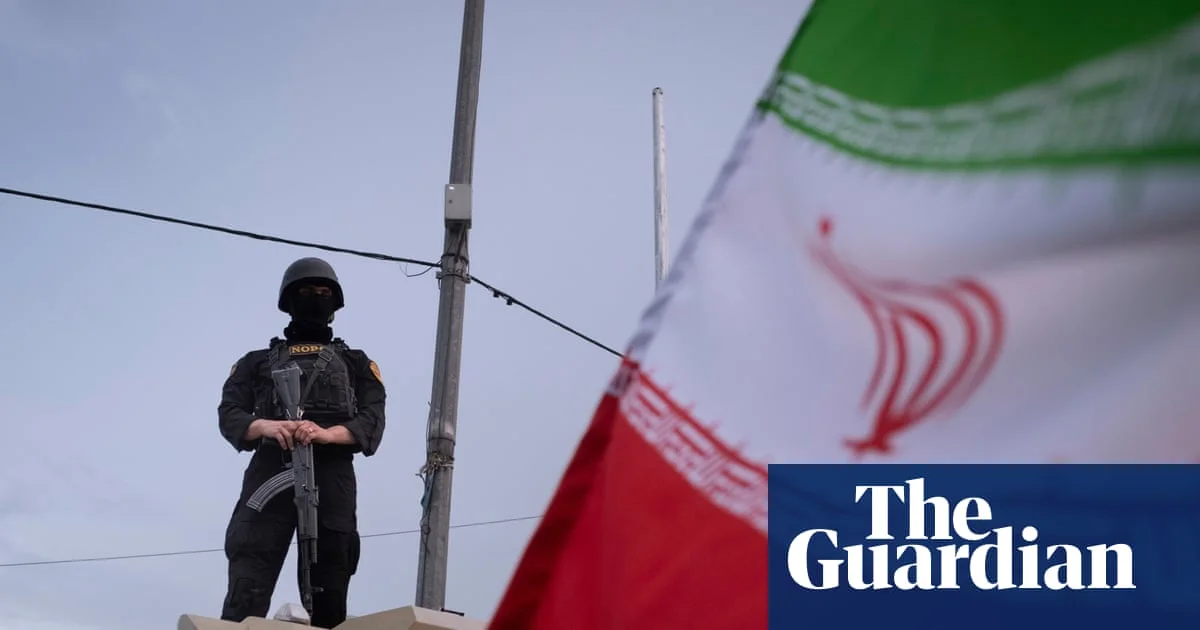
As the sun sets over Tehran this Thursday, a chilling report from international rights groups has cast a long shadow over the regional diplomatic efforts. According to sources cited by The Guardian, Iran has been conducting near-daily prisoner executions in a state of high secrecy since March. At least 24 individuals are reported to have been executed recently, with families often kept in the dark until after the sentence is carried out. This surge in capital punishment coincides with a period of intense regional friction and internal monitoring, suggesting a domestic policy aimed at maintaining absolute control while external pressures mount.
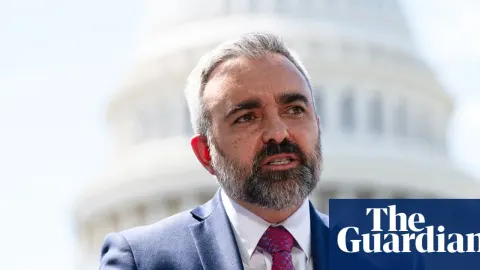
Adding weight to this atmosphere of tightening control, Iran’s Judiciary Chief, Gholam-Hossein Mohseni-Ejei, issued a stern warning today. He emphasized that any individuals acting as "infantry for the enemy" by deliberately undermining national unity will face severe legal consequences. For the average Iranian citizen, this rhetoric signals a lower threshold for dissent. In the context of the economy, such internal stability measures are often interpreted by the market as a precursor to potential escalations or a lack of confidence in the immediate success of diplomatic de-escalation, which often puts upward pressure on the dollar and gold rates.

Waiting for Tehran: The 14-Point Peace Proposal
On the diplomatic front, the world is currently in a holding pattern. The U.S. government is reportedly awaiting a formal response from Tehran regarding a 14-point peace proposal designed to end the ongoing regional hostilities. Esmail Baghaei, the spokesman for Iran’s foreign ministry, confirmed that the government is reviewing the American response to Iran's original framework. Pakistan remains the critical intermediary in this high-stakes game of telephone, serving as the primary channel for these sensitive communications.
This delay in response is creating a "wait-and-see" sentiment in the global markets. Traders are hesitant to take major positions until the direction of the conflict is clearer. However, the lack of an immediate "yes" has allowed risk premiums to remain baked into asset prices. If Tehran accepts the core tenets of the proposal, we could see a sharp correction in energy and gold prices; conversely, a rejection or a demand for significant revisions could trigger the next leg up for the USD/IRR exchange rate, which is already testing new resistance levels.
The Global Bill for Conflict: UK Construction and Angola’s Energy Pivot
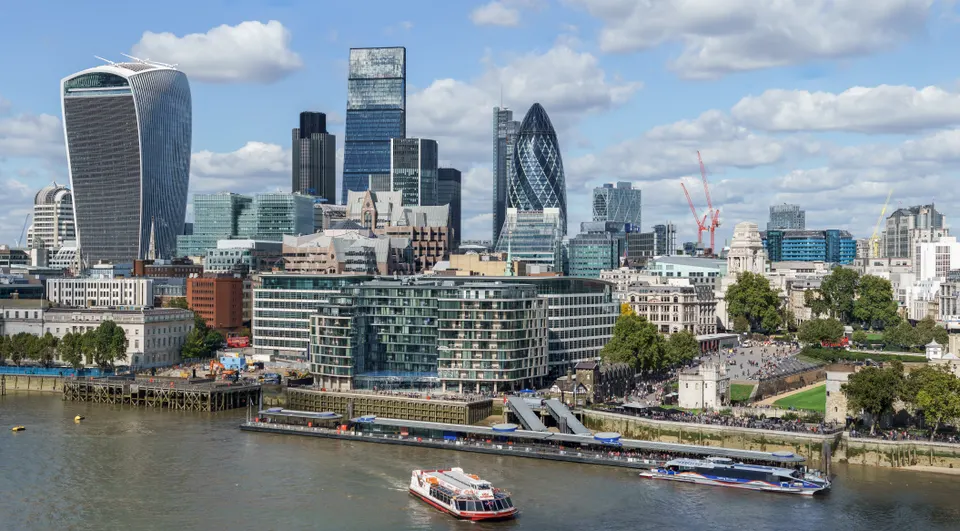
The economic ripple effects of the Iran conflict are no longer confined to the Middle East. In the United Kingdom, construction firms are reporting some of the sharpest cost increases in nearly three decades. The monthly rise in prices for fuel and raw materials has reached levels not seen since the immediate aftermath of the 2022 invasion of Ukraine. This inflation is directly tied to the disruption of supply chains and the heightened cost of energy resulting from the regional war, proving that the "Iran premium" is now a global tax on infrastructure and development.
In a rare piece of positive news for global energy stability, Angola has successfully shipped its first fuel cargoes from the new Cabinda refinery. This facility, the first built in the country in 50 years, provides a much-needed alternative source of refined products as the world struggles with the supply stress caused by the Iran war. While its 30,000 barrels-per-day capacity is modest on a global scale, it represents a growing trend of nations seeking energy independence from volatile regions. For Iran, the emergence of new refining hubs in Africa and elsewhere could eventually erode its long-term leverage in the global energy market.
Market Pulse: Gold Leads the Rally as Toman Softens
In the local markets, the numbers tell a story of persistent inflation and defensive buying. The US Dollar (USD/IRR) moved from 176,000 to 176,900 Toman over the last 24 hours, a gain of 0.5%. While this might seem marginal, it reflects a steady erosion of purchasing power. The gold market, however, is where the real heat lies. 18k Gold per gram jumped from 19,963,987 to 20,324,807 Toman, a significant 1.8% increase in a single day. The Emami coin followed suit, rising from 193,000,000 to 195,000,000 Toman (+1.0%).
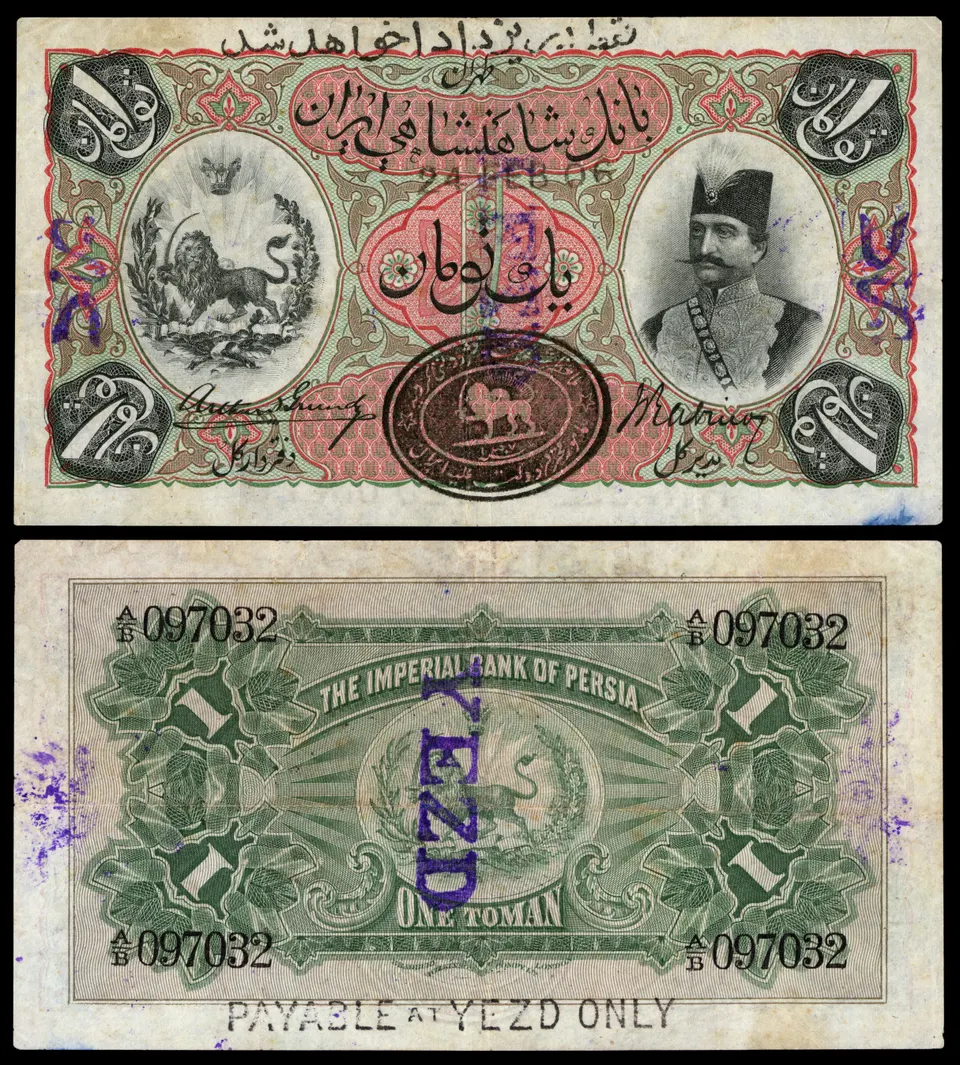
In the cryptocurrency sector, Bitcoin (BTC) remains robust at $80,363, acting as a global hedge for those looking to exit local fiat currencies. The divergence between the modest rise in the dollar and the sharp spike in gold suggests that Iranian investors are prioritizing "hard assets" over foreign currency, likely fearing that even a peace deal might not immediately solve the underlying inflationary pressures within the domestic economy. As we move into the evening session, all eyes remain on the Pakistani diplomatic channel for any sign of a breakthrough.
Frequently Asked Questions
Why are UK construction costs hitting 30-year highs?
What is the status of the US-Iran peace proposal?
How is the Angola refinery related to the Iran crisis?
Why did gold prices spike more than the dollar in Tehran today?
Understanding Inflation, Currency Depreciation, and Gold as a Safe Haven
Inflation and currency depreciation are two closely related economic phenomena that profoundly impact daily life, especially in times of economic uncertainty. Inflation refers to the rate at which the general level of prices for goods and services is rising, and consequently, the purchasing power of currency is falling. Currency depreciation, on the other hand, means that the value of a country's currency decreases relative to other currencies or to a commodity like gold. When a currency depreciates significantly, it takes more units of that currency to buy the same amount of goods or foreign currency, directly eroding the wealth of its holders.
These forces manifest in tangible ways, such as the soaring global construction costs mentioned in the headline, or the dramatic increase in the price of gold when measured in a local currency like the Toman. As inflation erodes the purchasing power of money, the cost of everything from raw materials to labor increases. Simultaneously, if the local currency is depreciating, imported goods become more expensive, further fueling domestic price rises and making it harder for citizens to maintain their standard of living.
In such volatile economic environments, many individuals and institutions turn to "safe-haven assets" to preserve their wealth. Gold is a prime example of such an asset. Historically, gold has been seen as a reliable store of value that tends to retain its purchasing power even when fiat currencies falter. When a currency like the Toman rapidly loses value due to high inflation or economic instability, people convert their depreciating cash into gold, driving up its price when expressed in that local currency. This phenomenon explains why gold hitting "20M Toman" is a significant indicator of deep economic stress and a loss of confidence in the local currency's stability.
The interplay between inflation, currency depreciation, and the flight to safe havens like gold highlights a fundamental principle of economics: people seek stability and value preservation when traditional financial instruments become unreliable. Understanding these concepts is crucial for comprehending how global and local economic pressures, often exacerbated by geopolitical tensions, translate into everyday financial realities and influence investment decisions.
Topics
Related Articles