Israel Strikes Beirut, Lula Meets Trump Amid Global Economic Jitters
اسرائیل بیروت را بمباران کرد؛ لولا با ترامپ دیدار میکند در بحبوحه نگرانیهای اقتصادی جهانی
Israel has intensified strikes in Lebanon, targeting Hezbollah in Beirut and southern regions, raising regional tensions despite ongoing truce efforts. Meanwhile, Brazil's President Lula arrives in Washington for crucial talks with Donald Trump concerning trade and security, as global markets grapple with persistent oil supply shocks and geopolitical instability.
At time of publishing
USD
176,900
Toman
Gold 18K
20.21M
Toman / gram
Bitcoin
$79,812
US Dollar
Tether
17,749
Toman
Israel Escalates Strikes in Lebanon, Targeting Hezbollah
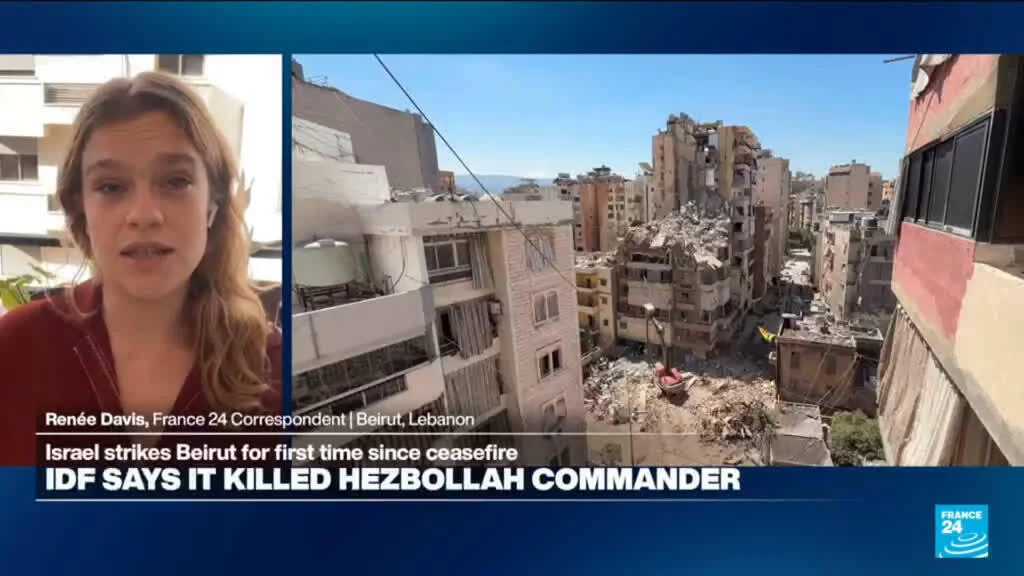
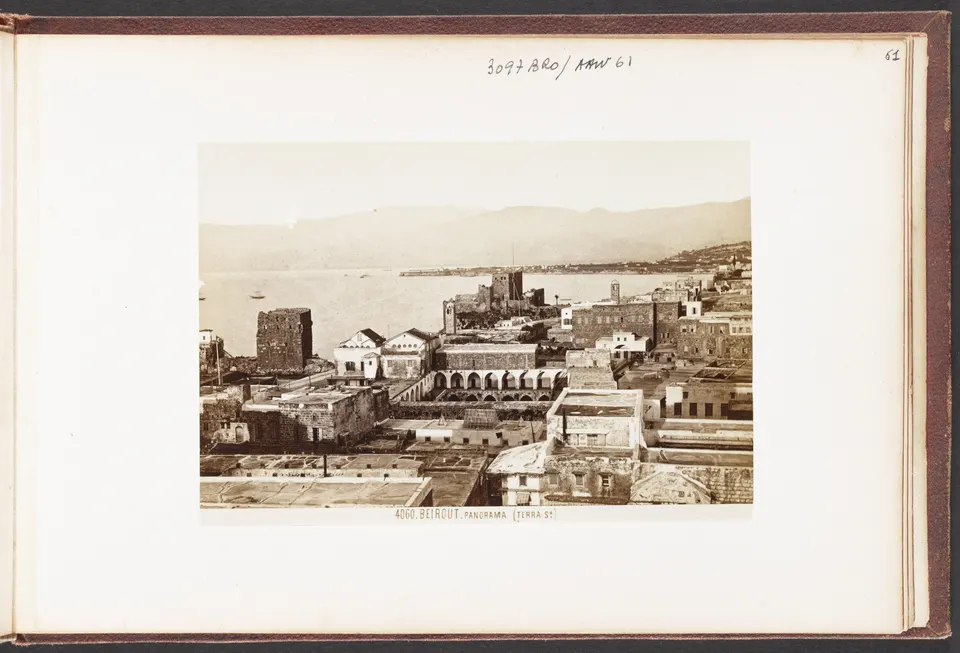
Israel launched significant airstrikes across southern Lebanon and the Beirut suburbs on Thursday, escalating hostilities despite ongoing efforts to maintain a truce. State media and AFP correspondents reported that the Israeli army claimed to have killed the commander of Hezbollah's elite 'Radwan Force' unit in the southern suburbs of Beirut, marking a substantial escalation in targeting high-ranking officials. These actions come after a period of relative calm, raising concerns about the fragile ceasefire and the potential for a wider conflict.
This renewed aggression directly impacts the delicate regional balance and casts a shadow over diplomatic initiatives aimed at de-escalating the ongoing conflict. For Iran, these developments are particularly concerning. Increased Israeli military action in Lebanon could draw in regional proxies, potentially affecting Iran's strategic interests and its relationships with key allies. Furthermore, heightened conflict in the Levant can have ripple effects on international oil markets, influencing crude prices and further straining global supply chains, which in turn could impact Iran's own economic stability and its Toman exchange rate.
Lula and Trump Discuss Trade and Security Amidst Tariff Threats
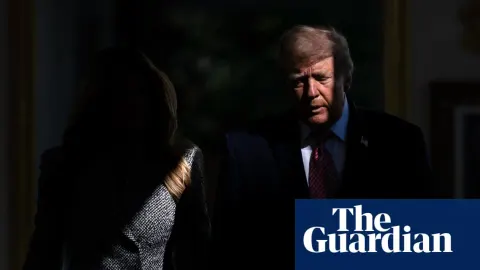
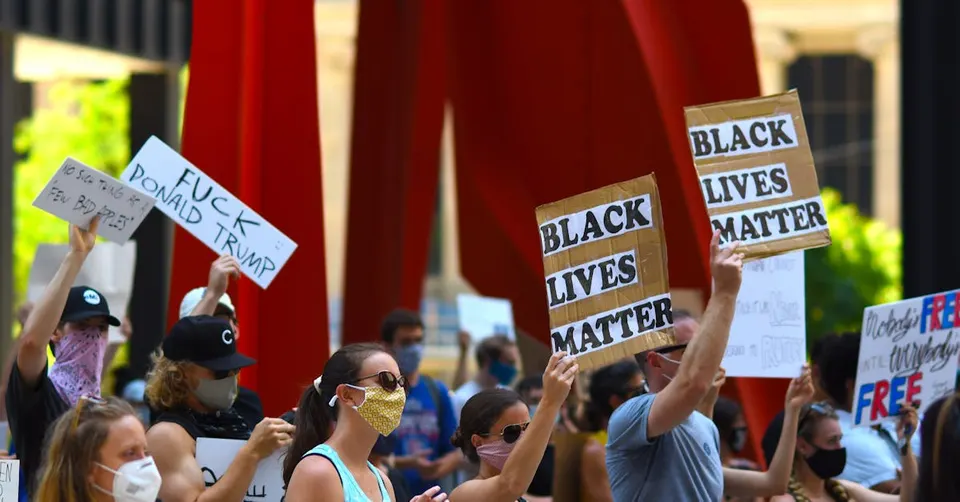
Brazilian President Luiz Inácio Lula da Silva is in Washington for a critical meeting with former U.S. President Donald Trump, focusing on issues including organized crime and trade tariffs. This encounter is significant as Lula seeks to navigate potential U.S. trade policies that could affect Brazil's economy, particularly in the lead-up to Brazil's October elections. The meeting, described as between two ideological opposites with a previously rocky relationship, marks their second official engagement and underscores the complex diplomatic landscape.
The implications for the global economy are considerable. Discussions around tariffs and trade can influence commodity prices, investment flows, and the overall sentiment in international markets. For Iran, any shifts in U.S. trade policy, especially concerning major economies like Brazil, can create indirect economic pressures or opportunities. A more protectionist stance from the U.S. under Trump could lead to broader market volatility, affecting the value of the Toman and gold prices as investors seek safe havens. The outcome of these talks could also signal broader trends in global trade relations, impacting Iran's own efforts to engage with international markets.
Chinese Firm Sues US Banks Over Pre-Sanction Payment Freeze
A Chinese fuel trader, HY Energy, has filed lawsuits in Shanghai and Beijing against U.S. banking giants JPMorgan Chase and Citigroup. The company alleges that the banks failed to process $40 million in payments to China Oil and Petroleum Company Limited (COPC) in 2023, months before COPC was sanctioned by the U.S. Treasury for dealings with Iranian oil. This legal action highlights the complex financial entanglements and potential fallout from U.S. sanctions regimes, even for transactions that occurred prior to official designations.
The lawsuit raises critical questions about the extraterritorial reach of U.S. financial regulations and the risks faced by international firms operating in a landscape shaped by sanctions. For Iran, this case is a stark reminder of the challenges posed by the U.S. financial system and the ways in which sanctions can disrupt trade flows and payment mechanisms. It underscores the vulnerabilities of entities involved in trade with Iran, as seen with COPC, and the potential for protracted legal battles. The outcome could influence how other international banks and traders approach transactions involving entities that are, or could be, subject to U.S. sanctions, potentially impacting Iran's ability to conduct international commerce and affecting the Toman's stability.

Markets React to Geopolitical Tensions and Supply Shocks
Global markets are exhibiting mixed signals, with stock markets showing resilience despite an oil price shock, while gold prices continue to fluctuate. The S&P 500 is on the verge of breaking new records, indicating a degree of investor confidence in U.S. equities. However, underlying concerns about the ongoing conflict in Iran and its impact on energy supplies persist. The International Energy Agency (IEA) has warned that tight natural gas markets will likely last through 2030 due to the conflict and subsequent loss of LNG supply, further contributing to energy market uncertainty.
This environment of geopolitical tension and energy supply disruption has direct implications for Iran and its currency. The continued volatility in oil and gas markets can influence global economic sentiment and investment flows, potentially affecting the Toman's exchange rate. While gold prices have shown upward momentum, reflecting their status as a safe-haven asset amid uncertainty, the broader market's reaction suggests a complex interplay of factors. For Iranian citizens and businesses, this translates into continued pressure on the Toman, potential inflationary effects from energy price shocks, and an increased focus on assets like gold for preserving wealth.
Russia's Victory Day Parade Signals Shifting Military Posture
Russia's upcoming Victory Day parade in Moscow will notably feature no tanks or heavy military hardware, a departure from tradition. According to analysis, this absence is a telling sign that the war in Ukraine is not proceeding according to Russia's initial plans. The decision to showcase only soldiers, rather than a display of military might, suggests a shift in strategic emphasis and potentially a reflection of equipment losses or a reallocation of resources on the Ukrainian front.
This development, while primarily concerning the conflict in Ukraine, carries broader geopolitical implications that can indirectly affect Iran. Shifts in Russian military strategy or perceived setbacks in ongoing conflicts can influence global risk appetite and international relations. Such shifts can impact energy markets, as seen with the ongoing Iran conflict, and affect trade routes and economic stability. For Iran, understanding these evolving geopolitical dynamics is crucial for navigating its own foreign policy and economic strategies, particularly concerning its relationships with major global powers and its position within regional security frameworks.
Watch
Brazil’s Lula to discuss fighting organized crime, tariffs in Trump meeting • FRANCE 24 English
FRANCE 24 English
Frequently Asked Questions
What is the latest development in the Israel-Lebanon conflict?
What are the key topics between Brazil's President Lula and former US President Trump?
Why is a Chinese firm suing US banks like JPMorgan and Citigroup?
What is the outlook for global natural gas markets?
What does the absence of tanks in Russia's Victory Day parade signify?
Understanding Trade Tariffs and Global Economic Jitters
Trade tariffs are essentially taxes imposed by a government on imported goods or services. These economic tools serve multiple purposes: they can protect domestic industries from foreign competition by making imports more expensive, generate revenue for the government, and act as a bargaining chip in international trade negotiations. For instance, a tariff on imported steel makes domestically produced steel more competitive, theoretically safeguarding local jobs and production capacity.
However, the implementation of tariffs often comes with significant consequences. While they might offer short-term benefits to specific domestic sectors, they typically lead to higher prices for consumers, who bear the cost of the tax. Moreover, tariffs can reduce the overall volume of international trade, as goods become less affordable across borders. A major risk is the potential for retaliatory tariffs, where affected countries impose their own taxes on the exports of the initiating nation, escalating into a "trade war" that harms global supply chains and economic stability.
The headline's mention of "trade tariffs" and "global economic jitters" is particularly relevant in this context. Former President Donald Trump notably used tariffs, especially against Chinese goods, with the stated aim of rebalancing trade relations and protecting American industries. Such actions, while intended to be strategic, contributed significantly to global economic uncertainty, affecting everything from international investment flows to the profitability of multinational corporations and the stability of financial institutions like "US banks" dealing with global trade. These trade tensions, alongside geopolitical events like the "Israel strikes" mentioned, collectively create an environment of heightened risk and unpredictability for the world economy.
Topics
Related Articles