Whirlpool Warns of ‘Recession-Level’ Slump as Iran Conflict Hits US Sales; Toman and Gold Edge Higher
هشدار ورپول درباره رکود ناشی از جنگ ایران؛ افزایش قیمت دلار و طلا در بازار تهران
Global appliance giant Whirlpool has slashed earnings forecasts, citing a collapse in consumer confidence due to the ongoing conflict with Iran. Meanwhile, Tehran awaits a formal response to peace proposals via Pakistan as local markets see a 1% rise in gold and coin prices.
At time of publishing
USD
176,800
Toman
Gold 18K
20.16M
Toman / gram
Bitcoin
$80,167
US Dollar
Tether
17,710.8
Toman
The 'Recession-Level' Ripple Effect: Whirlpool’s Warning
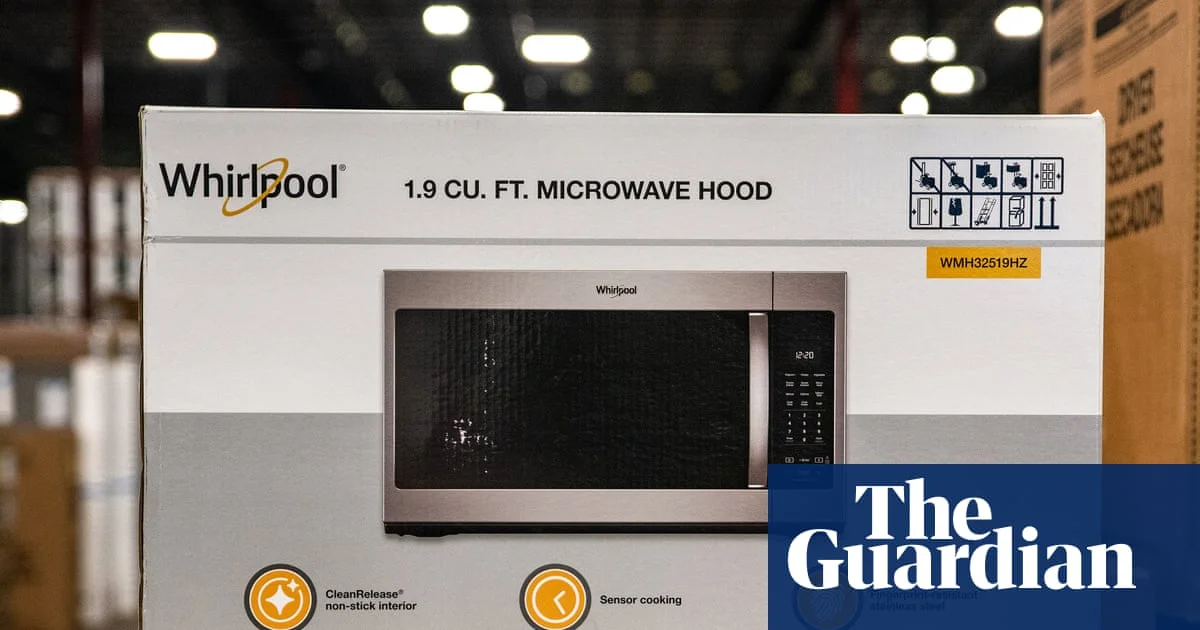
The economic consequences of the ongoing conflict involving Iran are no longer confined to the Middle East or energy markets; they are now hitting the living rooms of American consumers. Whirlpool, the global appliance giant behind brands like KitchenAid and Maytag, issued a stark warning this hour, slashing its earnings forecasts and describing the current market conditions as a “recession-level industry decline.” The company reported a nearly 10% drop in quarterly revenue, specifically citing a collapse in consumer confidence that began in late February as geopolitical tensions escalated. To combat rising costs and stabilizing its North American business, Whirlpool has already implemented a 10% price hike, with another 4% increase scheduled for the near future.
This development is a significant indicator of how deeply the 'Iran war' narrative has penetrated the global psyche. When major manufacturers of durable goods—items that families usually finance or save for—see a double-digit drop in demand, it signals that the average consumer is bracing for a long-term economic winter. For Iranian observers, this highlights the paradox of the current situation: while the Iranian economy has long been under pressure, the globalized nature of modern trade means that the costs of conflict are being exported back to the West, potentially creating a feedback loop that could either accelerate calls for peace or lead to further protectionist measures like the tariffs Whirlpool is also grappling with.
Diplomacy at a Deadlock: Pakistan Mediates the Peace Proposal
On the geopolitical front, the world remains in a state of high-stakes anticipation as the United States awaits Tehran’s formal response to a recently floated peace proposal. According to reports from the New York Times and other major outlets, an Iranian official confirmed that the response would be conveyed through Pakistan, which has emerged as the primary diplomatic bridge between the two adversaries. However, the tone from Tehran remains skeptical. One senior official dismissed the current draft not as a genuine peace treaty, but as a “list of American wishes,” suggesting that the gap between Washington’s demands and Tehran’s red lines remains substantial.
The friction is not just between the primary combatants. In Europe, the rhetoric is sharpening against the U.S. administration's handling of the crisis. German Finance Minister Lars Klingbeil recently characterized the conflict as an “irresponsible war,” explicitly blaming the economic slowdown in Germany on the geopolitical instability triggered by the White House. This internal fracturing of the Western alliance provides Tehran with significant diplomatic leverage, as it suggests that the economic pain felt in Berlin and Paris may eventually force a softening of the American stance, regardless of the immediate military posture.

Tehran Market Analysis: Gold and Toman Defy Peace Hopes
Despite the talk of peace proposals and diplomatic corridors, the Tehran markets are not yet buying into the de-escalation narrative. In the last 24 hours, we have seen a steady climb in the price of safe-haven assets. The USD/IRR rate moved from 176,000 to 176,800, representing a 0.5% increase. While this move is relatively modest compared to the volatility of previous weeks, it indicates a persistent lack of confidence in the short-term stability of the Rial. The US Dollar sell rate currently sits at 176,800 Toman, while Tether (USDT) is trading slightly higher at 17,711 Toman, reflecting the continued demand for digital liquidity among Iranian traders.
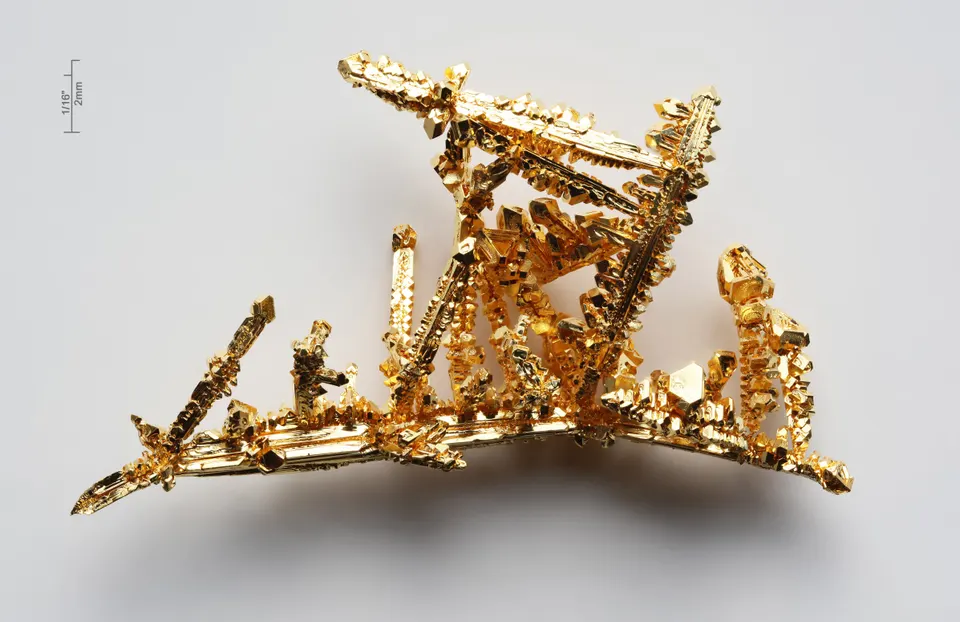
The gold and coin markets showed even more aggressive movement. Both 18k gold and the Emami coin rose by exactly 1.0% over the last 24 hours. Gold 18k/gram climbed from 19,963,987 to 20,163,442 Toman, while the Emami coin jumped from 193,000,000 to 195,000,000 Toman. This 1% surge in a single day, especially with global gold prices hovering near $4,709 per ounce, suggests that local investors are hedging against the possibility that the peace talks might fail. When the market prices in a 'peace discount' that doesn't materialize, the subsequent snap-back in prices can be severe, and currently, the 'wait-and-see' approach is manifesting as a slow but steady capital flight into gold.
Tech and Safety: OpenAI’s New Guardrails
In a departure from the heavy geopolitical news, the tech sector is focusing on the social responsibilities of artificial intelligence. OpenAI has announced a new “Trusted Contact” feature for ChatGPT, designed to provide a safety net for users discussing sensitive topics like mental health or self-harm. This optional feature allows users to designate an emergency contact who will be notified if the AI detects patterns of concern. This move comes as AI agents move further into the mainstream, with industry leaders like eToro’s Yoni Assia arguing that DeFi and AI are merging to create a more robust, automated financial ecosystem. For users in high-stress environments—like those currently navigating the economic and social pressures in the Middle East—these tools represent a double-edged sword of increased surveillance versus enhanced personal safety.
Frequently Asked Questions
Why is Whirlpool warning about a recession specifically linked to Iran?
What is the current status of the US-Iran peace proposal?
How did the Tehran market react to the latest diplomatic news?
What is the new ChatGPT safety feature?
Gold as a Safe‑Haven Asset During Geopolitical Crises
When war or diplomatic tensions flare up, investors often rush to assets that are perceived as stable stores of value. Gold is the classic "safe‑haven" because it is not tied to any single country’s fiscal or monetary policy, it has a long history of retaining purchasing power, and it can be easily stored and traded worldwide. During the recent escalation between Iran and its regional rivals, gold prices in Tehran and global markets edged higher, reflecting the same pattern seen in past crises such as the 2008 financial crash and the 2022‑23 Russia‑Ukraine war.
The mechanism behind gold’s appeal is two‑fold. First, heightened uncertainty drives a flight‑to‑quality, pushing investors out of riskier equities, local currencies, and even high‑yield bonds. Second, many central banks and sovereign wealth funds hold gold as part of their reserves, providing a baseline demand that can rise when official holders increase purchases to bolster confidence. In Iran, where the rial (often quoted as the toman) has been hammered by sanctions and a volatile exchange rate, gold becomes a practical hedge for households trying to preserve wealth.
Gold’s price movements also interact with the U.S. dollar. Because gold is priced in dollars on international exchanges, a weakening dollar can make gold cheaper for holders of other currencies, spurring demand. Conversely, a strong dollar can dampen gold’s rise, but in a crisis the dollar’s safe‑haven status may be contested by gold’s physical tangibility. This dynamic explains why, even as the U.S. dollar index fluctuated in May 2026, gold continued its modest climb in both global markets and Tehran’s local bullion shops.
For emerging economies like Iran, the surge in gold prices can have mixed effects. On the one hand, it offers a protective asset for citizens and a source of foreign‑exchange earnings when gold is exported. On the other hand, rising gold prices can exacerbate inflationary pressures if governments respond by loosening monetary policy to offset the higher cost of living. Understanding gold’s role helps investors, policymakers, and ordinary citizens gauge the broader economic fallout of geopolitical shocks.
In summary, gold’s safe‑haven status is not a myth but a market‑driven response to uncertainty, currency instability, and the search for a universally accepted store of value. Whether you are tracking Whirlpool’s earnings, the USD/IRR exchange rate, or the price of gold in Tehran, recognizing this underlying mechanism provides a clearer lens on how wars and sanctions ripple through global finance.
Topics
Related Articles