US-Iran 'Interim' Truce Reports Surface as Gold Hits 20M Toman Milestone in Tehran
گزارشها از توافق موقت ایران و آمریکا؛ عبور قیمت طلا از مرز ۲۰ میلیون تومان در بازار تهران
Diplomatic sources in Pakistan claim a temporary truce between Washington and Tehran is imminent, even as Donald Trump’s 'Project Freedom' collapses following Saudi resistance. Meanwhile, the Iranian gold market has reacted with a sharp surge, pushing 18k gold past the 20 million Toman mark for the first time.
At time of publishing
USD
176,700
Toman
Gold 18K
20.16M
Toman / gram
Bitcoin
$79,983
US Dollar
Tether
17,865.3
Toman
The Diplomatic Pivot: Pakistan Signals an Interim Truce
In a dramatic turn for Middle Eastern geopolitics, officials in Islamabad have claimed that the United States and Iran are on the verge of a temporary agreement to halt regional hostilities. This potential "interim" deal, which could be finalized as early as this weekend, aims to maintain a fragile peace and ensure the security of international shipping lanes. The reports suggest that Tehran is currently reviewing a formal proposal from Washington, marking a significant shift from the near-total breakdown of communications observed earlier this week. This diplomatic push comes at a critical time when regional tensions have threatened to spill over into a broader conflict, impacting global energy supplies and market stability.
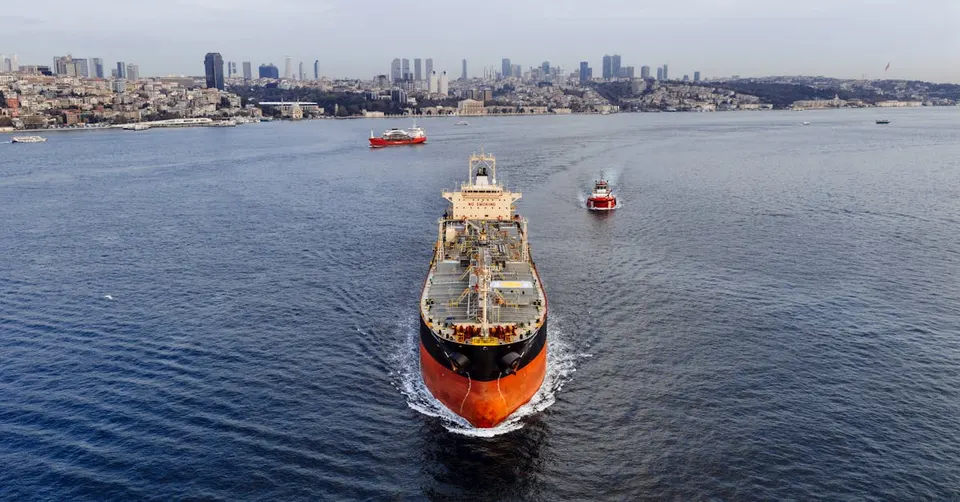
However, the path to this truce has been paved with the wreckage of other high-profile initiatives. Donald Trump’s widely touted "Project Freedom"—a plan to provide air cover for commercial shipping in the Strait of Hormuz—abruptly collapsed within 24 hours of its announcement. Reports indicate that the failure was not due to a lack of American resolve, but rather a firm refusal from Saudi Arabia to allow the US military to use its bases or airspace for the operation. This development highlights a growing complexity in regional alliances, where traditional partners are increasingly hesitant to be drawn into direct confrontations, forcing the US to seek diplomatic off-ramps like the Pakistani-mediated truce.
Tehran Markets: Gold Shatters Records Amid Uncertainty
Despite the whispers of a truce, the Iranian domestic market remains in a state of high alert, seeking safety in hard assets. For the first time in history, the price of 18-karat gold has surpassed the psychological barrier of 20 million Toman. Specifically, gold rose from 19,963,987 to 20,163,442 Toman, marking a 1.0% increase in just 24 hours. The Emami coin followed suit, climbing from 193,000,000 to 195,000,000 Toman (+1.0%). These movements suggest that while diplomats talk of peace, investors are hedging against the possibility that any truce may be short-lived or insufficient to address underlying economic pressures.
The currency market also saw a modest but steady uptick. The USD/IRR exchange rate moved from 176,000 to 176,700 Toman, a 0.4% increase. This rise reflects a cautious sentiment among traders who are monitoring the collapse of Iranian oil exports. US Energy Secretary Chris Wright recently noted that Iran has been forced to cut oil production by approximately 400,000 barrels per day as storage capacity reaches its limit and a US-led naval blockade restricts movement. For the average Iranian reader, this translates to a continued squeeze on foreign currency reserves, making the "flight to gold" a logical defensive maneuver in a volatile economy.

Tech & AI: Musk’s $55 Billion Gamble on Silicon
While the Middle East grapples with war and diplomacy, Elon Musk is doubling down on the future of artificial intelligence. SpaceX has unveiled a staggering $55 billion plan to construct its own semiconductor manufacturing facility, dubbed the "Terafab," in Austin, Texas. This move represents a massive strategic pivot, as Musk seeks to reduce reliance on external suppliers like Nvidia and secure a vertical supply chain for his various AI ventures. The sheer scale of the investment—filed in public hearing notices in Texas—signals that the race for AI supremacy is no longer just about software, but about the physical infrastructure required to power the next generation of neural networks.
This investment comes at a time when the semiconductor market is experiencing extreme volatility. While Nvidia has seen its shares trade at a discount relative to the broader sector recently, Musk’s entry into the chip-making business could further disrupt the industry’s status quo. For the global economy, this massive capital expenditure in Texas serves as a reminder that the technological frontier is moving faster than ever, even as geopolitical crises dominate the headlines. For investors, the Terafab project underscores the high stakes of the AI revolution, where the winners will likely be those who control both the code and the silicon it runs on.
Social Justice: A Tragic Case in London
In a story that has captured the attention of the international community, including the Iranian diaspora in Europe, a murder trial in London has revealed the harrowing final weeks of Annabel Rook. The 46-year-old social entrepreneur was fatally stabbed by her partner, Clifton George, in their North London home. Evidence presented in court included a chilling voice message sent by Rook to her sister, in which she expressed her fear that George was "on the warpath" due to his increasingly abusive behavior. This case has reignited a fierce debate over domestic safety and the effectiveness of police intervention in high-risk situations.
For many readers, particularly those living in major metropolitan hubs like London, this tragedy serves as a somber reminder of the systemic failures in protecting vulnerable individuals. The trial highlights the critical importance of recognizing early warning signs of domestic violence and the need for more robust support networks. As the legal proceedings continue, the case has become a symbol for social justice advocates calling for systemic reform, ensuring that the voices of those in danger are heard before it is too late. It stands as a stark contrast to the high-level geopolitical maneuvers discussed elsewhere, bringing the focus back to the fundamental human right to safety within one's own home.
Frequently Asked Questions
Why did Trump's 'Project Freedom' fail so quickly?
What are the terms of the reported US-Iran interim truce?
Why is the gold price in Iran rising despite reports of a peace deal?
What is SpaceX's 'Terafab' and why is it significant?
Why Gold Shines During Geopolitical Turmoil
Gold has long been regarded as a safe‑haven asset – a store of value that investors turn to when political or economic uncertainty spikes. When tensions flare between the United States and Iran, or when sanctions cripple a nation’s oil exports, confidence in local currencies like the Iranian toman can erode rapidly. In such moments, people often rush to buy gold, driving its price upward in domestic markets. The recent surge to 20 million toman per gram in Tehran illustrates how quickly gold can appreciate when investors seek protection from currency devaluation and capital controls.
The mechanism behind gold’s safe‑haven status is two‑fold. First, gold is a tangible, globally recognized commodity that is not tied to any single country's monetary policy, making it resistant to the fallout from sanctions or diplomatic crises. Second, central banks and private investors alike hold gold as a hedge against inflation and currency risk; when a country’s exchange rate weakens—such as the toman against the dollar—gold’s relative price in the local currency climbs, even if its price in dollars remains steady.
Geopolitical shocks also affect the supply side. Sanctions can restrict a country’s ability to import gold or to trade it on international markets, creating scarcity that pushes domestic prices higher. Conversely, a sudden influx of capital seeking safety can flood the market, temporarily stabilizing prices. Understanding these dynamics helps explain why gold often spikes during events like the US‑Iran interim truce talks, oil export collapses, or broader regional instability.
For investors, the key takeaway is to view gold not just as a speculative commodity but as a strategic component of a diversified portfolio, especially when exposure to volatile economies is high. While gold can protect wealth, it also carries risks such as price volatility and storage costs, so it should be balanced with other assets.
Further reading - Wikipedia: Gold as an investment - Investopedia: How Gold Acts as a Safe Haven - IMF Working Paper on the Impact of Sanctions on Developing Economies - Reuters: Iran gold price surges amid geopolitical tensions
Topics
Related Articles