$17 Billion Missile Surge as Hormuz Ceasefire Shatters: IRGC and US Navy Exchange Fire
فروش ۱۷ میلیارد دلاری موشک به اعراب همزمان با نقض آتشبس در هرمز؛ درگیری مستقیم قایقهای تندرو و ناوهای آمریکا
The US has authorized a massive $17 billion missile sale to Gulf allies as domestic stockpiles dwindle, while the IRGC Navy reports retaliatory strikes against US vessels in the Strait of Hormuz.
At time of publishing
USD
177,000
Toman
Gold 18K
20.26M
Toman / gram
Bitcoin
$79,525
US Dollar
Tether
17,866.1
Toman
The $17 Billion Arms Race: US Drains Stockpiles for Gulf Allies
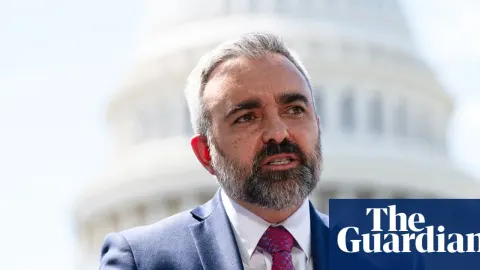
In a move that underscores the sheer scale of the ongoing regional attrition, the United States has moved to sell $17 billion worth of advanced air defense missiles to its Gulf partners. This decision comes at a critical juncture as reports from the New York Times indicate that the U.S. and its regional allies have burned through an unprecedented volume of interceptors and tactical missiles during the current conflict with Iran. The production lines in the West are struggling to keep pace with the rate of expenditure, forcing Washington to prioritize the replenishment of Saudi and Emirati batteries to maintain a defensive perimeter across the Arabian Peninsula.
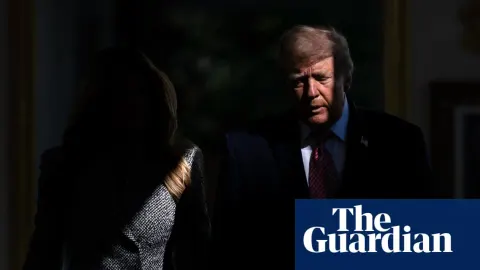
This massive arms transfer is more than just a commercial deal; it is a strategic admission that the U.S. can no longer sustain the defensive burden of the region alone. By shifting these assets to Gulf nations, the Trump administration is attempting to create a self-sustaining "missile wall" against Iranian capabilities. For the Iranian economy, this signals a prolonged period of high-intensity regional tension. Such massive military spending by neighbors often correlates with increased sanctions pressure and a "risk premium" on the Iranian Toman, as the prospect of a diplomatic de-escalation fades into the background of a mounting arms race.
Fire in the Strait: IRGC Retaliates as Ceasefire Collapses
The fragile ceasefire that had offered a brief respite to global energy markets has effectively shattered this morning. The Islamic Revolution Guard Corps (IRGC) Navy announced it has launched retaliatory strikes against U.S. military vessels in the Persian Gulf, citing a direct violation of the standing truce by American forces. While President Trump maintained as recently as Thursday that the ceasefire was technically in place, the reality on the water tells a different story. Reports of UAE air defenses engaging targets and conflicting claims of who fired first have sent oil prices surging, with Brent crude jumping over 2.6% to cross the $102 per barrel mark.
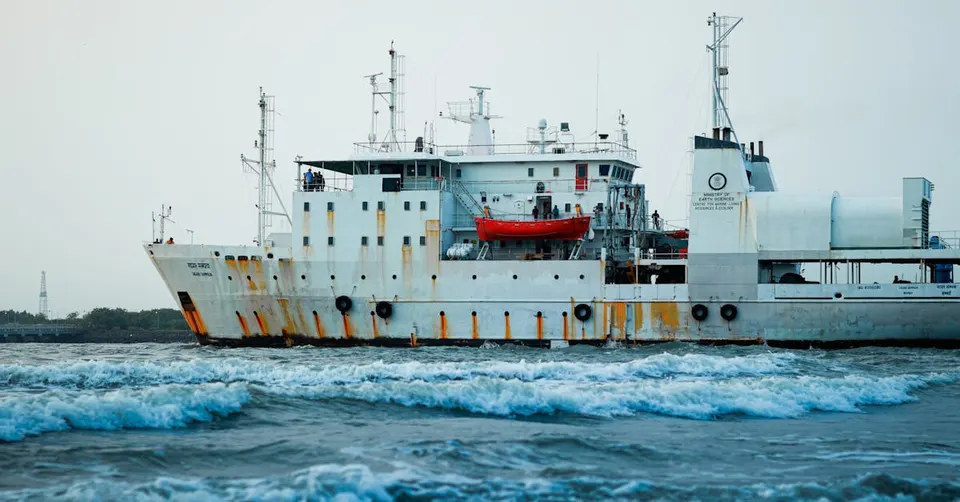
For readers in Iran, this escalation has immediate domestic consequences. The USD/IRR rate has already shown signs of stress, moving from 176,700 to 177,000 Toman (+0.2%) in the last 24 hours. Historically, direct naval confrontations in the Strait of Hormuz act as a primary catalyst for capital flight and a spike in the price of gold. As the IRGC asserts its presence and the U.S. Fifth Fleet remains on high alert, the cost of maritime insurance for tankers will skyrocket, further isolating the Iranian energy sector and complicating the government's efforts to stabilize the national currency.
Global Market Shockwaves: Bitcoin Dips and UK Political Shifts
The geopolitical flare-up is reverberating through global financial centers, hitting risk-on assets like Bitcoin and equities. Bitcoin has fallen to $79,525 as investors rotate out of digital assets into traditional safe havens like gold. In the Iranian market, Gold 18k/gram has risen from 20,163,442 to 20,264,093 Toman (+0.5%), reflecting a flight to physical security. The global "fear index" is rising not just because of the Middle East, but also due to political shifts in Europe. In the United Kingdom, early election results show significant gains for the Reform UK party at the expense of both Labour and the Conservatives, suggesting a more populist and unpredictable British foreign policy in the years to come.

Why does a UK council election or a Bitcoin dip matter to the average Iranian trader? The answer lies in the interconnectedness of global liquidity. When political instability hits the UK or the US, and when crypto markets bleed, the global appetite for risk vanishes. This usually leads to a stronger US Dollar globally, which in turn puts immense pressure on emerging and sanctioned currencies like the Toman. Furthermore, as the US trade court strikes down some of Trump’s tariff plans, the administration may double down on "maximum pressure" sanctions as its primary tool of economic warfare, especially if military options become too costly or risky given the depleted missile stockpiles mentioned earlier.
Technological Pivot: AI Agents and the Future of Finance
While the headlines are dominated by missiles and naval strikes, a quiet revolution is happening in the world of decentralized finance that could eventually provide a workaround for sanctioned economies. Companies like Aptos are committing $50 million to develop "agentic AI"—autonomous software programs that can manage crypto wallets and execute trades without human intervention. Industry leaders are beginning to argue that AI agents, rather than humans, are the natural users of stablecoins. These agents can operate 24/7, navigating complex regulatory and liquidity environments at speeds no human could match.

In the long run, this technology could redefine how trade is conducted under sanctions. If autonomous AI agents can facilitate cross-border payments using stablecoins like USDT (currently trading at 17,866 Toman), the traditional banking bottlenecks that currently stifle the Iranian economy might become less relevant. However, for now, this remains a theoretical frontier. The immediate reality is a market defined by the price of oil, the volatility of the Toman, and the shadow of a $17 billion arms deal that ensures the regional temperature will remain at a boiling point for the foreseeable future.
Frequently Asked Questions
Why is the US selling $17 billion in missiles now?
Did the US-Iran ceasefire actually end?
How is the Iranian Toman reacting to the naval clashes?
What is 'agentic AI' and why is it mentioned in a financial digest?
Why the Strait of Hormuz Is a Global Oil Chokepoint
The Strait of Hormuz, a narrow waterway only about 21 miles wide at its narrowest point, connects the Persian Gulf with the Gulf of Oman and the open ocean. Because more than 20% of the world’s petroleum—roughly 21 million barrels per day—passes through this corridor, any disruption can reverberate through global energy markets, pushing Brent crude prices up and affecting currencies tied to oil exports, such as the Iranian rial.
A "strategic chokepoint" is a geographic bottleneck that can be leveraged for political or military advantage. In the case of Hormuz, the presence of Iran’s Islamic Revolutionary Guard Corps (IRGC) naval forces and the U.S. Fifth Fleet creates a high‑risk environment where even a brief exchange of fire can trigger a supply shock. History shows that during the Iran‑Iraq War (1980‑88) and more recently in 2019, threats to close the strait caused oil markets to spike, illustrating how geopolitical risk is priced into commodities.
The economic impact extends beyond oil. Higher Brent prices increase the cost of transport for goods worldwide, raise inflationary pressures, and can weaken currencies of oil‑importing nations. Conversely, oil‑exporting countries like Iran may see short‑term revenue gains, but sanctions and volatility often offset those benefits. Understanding the chokepoint’s role helps explain why investors watch news of missile launches or naval skirmishes in the Gulf so closely.
Policy makers therefore treat the strait as a barometer of regional stability. Diplomatic efforts, naval escorts, and international maritime law aim to keep the waterway open, while rival powers may use the threat of closure as leverage in broader negotiations. The interplay of military posturing, oil economics, and global finance makes the Strait of Hormuz a textbook example of how geography can shape world affairs.
Topics
Related Articles