Tanker War Escalates: IRGC Threatens US Bases as Global Oil Supply Hits a Wall
هشدار سرخ در خلیج فارس: تهدید پایگاههای آمریکا توسط سپاه و بنبست در عرضه جهانی نفت
As the Revolutionary Guards issue a direct warning to US regional assets, global energy markets face a reality check: American drillers cannot save the world from the current supply crisis.
At time of publishing
USD
176,800
Toman
Gold 18K
20.19M
Toman / gram
Bitcoin
$80,702
US Dollar
Tether
17,800
Toman
Market Open — The Sunday Pulse
The Tehran market opened this Sunday with a cautious tone as geopolitical tensions continue to simmer. The US Dollar (USD/IRR) saw a marginal decline, moving from 176,900 to 176,800 Toman, a factual decrease of 0.1%. While the currency market shows a momentary pause, the underlying pressure remains high given the regional rhetoric. Gold, however, remains the preferred haven for domestic capital; the 18k gold gram held steady at 20,192,067 Toman, while the Emami coin rose by 0.3%, reaching 196,000,000 Toman.
In the global arena, Bitcoin continues its historic run, trading at $80,702. This strength in crypto, combined with gold ounces trading at a staggering $4,715.70, suggests that global investors are pricing in a long-term inflationary and high-risk environment. For the Iranian reader, this translates to a market that is 'buying the dip' on any minor currency correction, anticipating that the geopolitical floor for prices has moved permanently higher.
IRGC Issues Red Alert: Regional Bases Under Threat
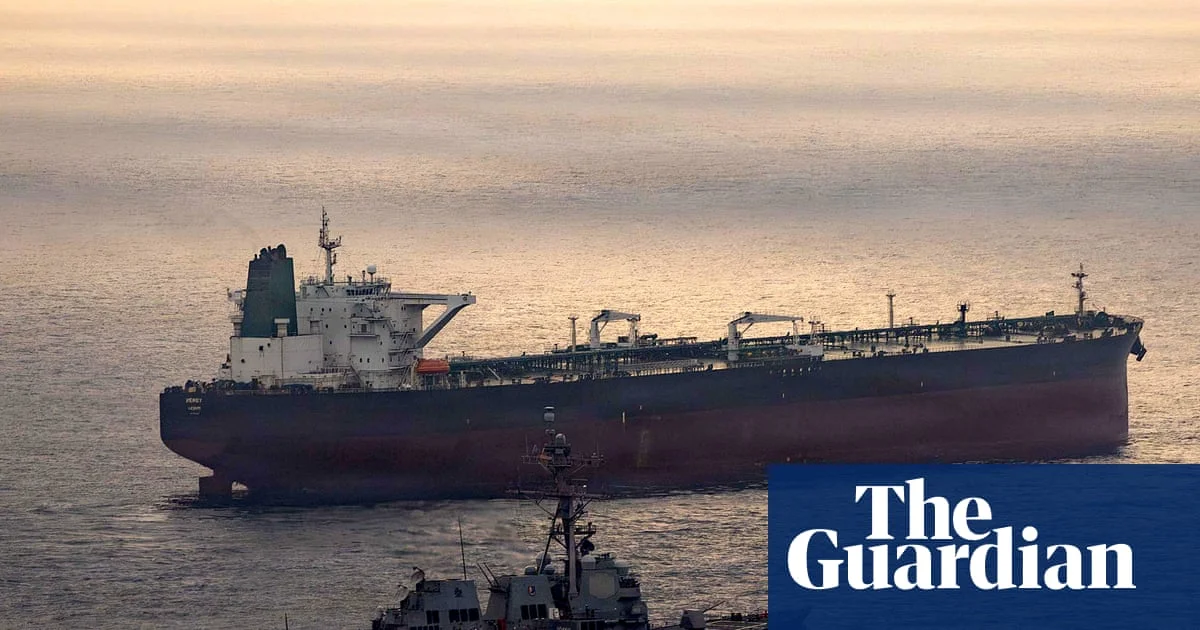
The Islamic Revolutionary Guard Corps (IRGC) Navy has significantly upped the ante in the ongoing maritime shadow war. Following recent strikes on Iranian tankers in the Gulf of Oman, Tehran has issued a direct warning: any further aggression against Iranian commercial vessels will be met with "heavy attacks" on American military centers and assets throughout the Middle East. This is not just a rhetorical flourish; it marks a shift toward a policy of direct symmetric retaliation that targets US land-based infrastructure rather than just naval assets.
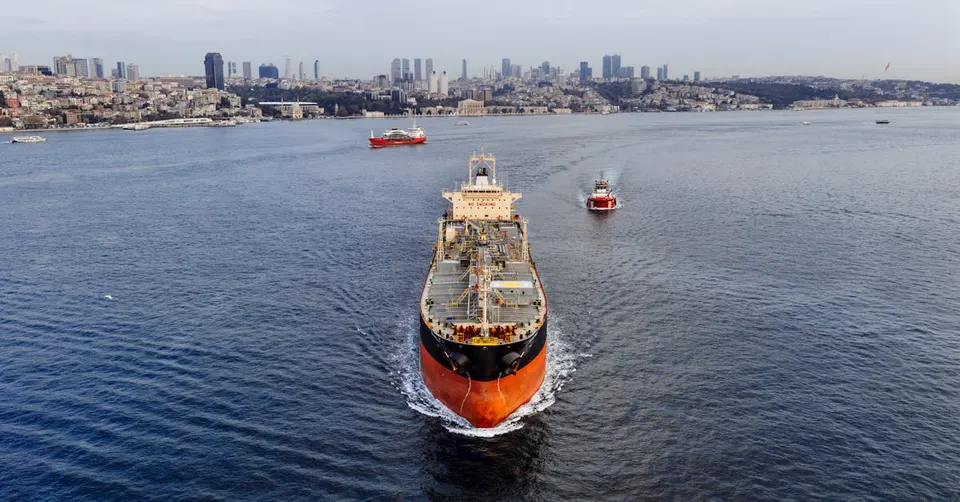
This escalation comes at a sensitive time when Washington was reportedly waiting for a response to its latest peace deal proposal. The IRGC's stance suggests that the military leadership in Tehran is prioritizing deterrence over diplomatic signaling at this stage of the "Ramadan War." For markets, this means the risk of a sudden closure or disruption of the Strait of Hormuz remains the single biggest "black swan" event that could send oil prices—and by extension, the USD/IRR rate—into a new stratosphere of volatility.
Why does this matter to you? In the short term, such threats solidify the high exchange rate. When the military talks about targeting "centers in the region," it creates a climate of uncertainty that prevents the Rial from recovering, even if oil exports remain steady. Investors should keep a close eye on the US response; any movement of carrier strike groups toward the Persian Gulf will likely trigger another wave of defensive buying in the Tehran gold and dollar markets.
The Myth of "Drill, Baby, Drill": Why US Oil Isn't Saving the Day
Despite President Trump’s aggressive "Drill, baby, drill" policy and the opening of federal lands for exploration, a harsh reality is setting in: American shale drillers cannot solve the global supply crisis. While the administration has removed regulatory hurdles, private oil companies are remaining remarkably cautious. The reasons are purely economic—volatile energy prices and the massive capital expenditure required for new drilling mean that shareholders are demanding dividends and debt reduction rather than risky production growth.
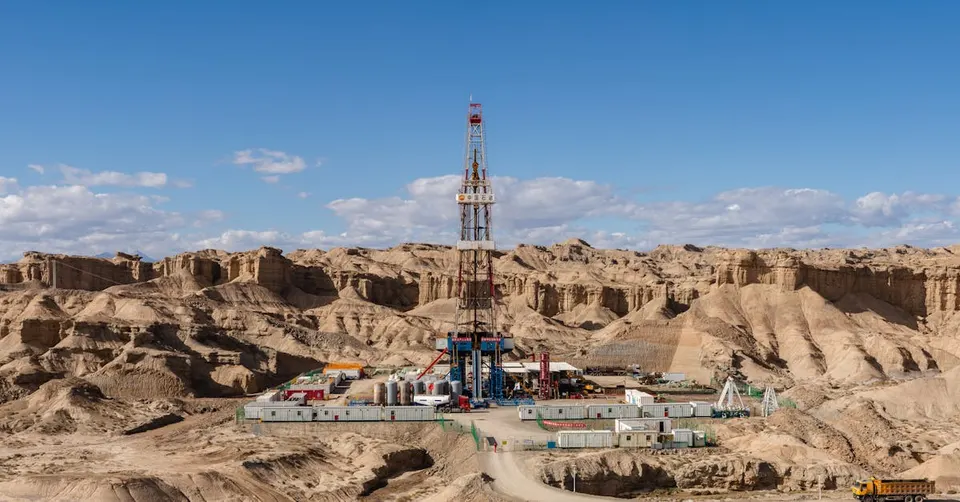
Furthermore, the depletion of the US Strategic Petroleum Reserve (SPR) has left the world's largest economy vulnerable. Reports suggest the administration is now looking at unconventional sites, including military bases, to extract crude just to refill the SPR. This desperation highlights that the global supply shock caused by the regional conflict involving Iran cannot be simply "produced away" by the United States. The supply-demand gap is widening, and the geopolitical premium on oil is here to stay.
For the Iranian economy, this is a double-edged sword. On one hand, high global oil prices increase the value of Iranian exports (even under sanctions-evading mechanisms). On the other hand, the global inflationary pressure caused by high energy costs makes imported goods more expensive for Iranians. The takeaway is clear: do not expect a global oil glut to bring down prices or stabilize the Rial anytime soon. The energy market is in a structural deficit that favors producers over consumers.
A New Global Risk: The Hantavirus Cruise Crisis
While the world watches the Middle East, a different kind of crisis has docked in the Canary Islands. The cruise ship MV Hondius has arrived in Tenerife under strict medical quarantine following an outbreak of the deadly hantavirus. With three deaths already confirmed and hundreds of passengers deemed high-risk contacts, Spanish authorities are managing a tightly controlled evacuation. This event serves as a grim reminder of how quickly global mobility can be threatened by biological risks, adding another layer of complexity to an already stressed global system.

This isn't just a health story; it’s a logistics and sentiment story. The travel and tourism sectors, which were just beginning to find their footing in the post-2020 era, are now facing renewed scrutiny. If this outbreak spreads or leads to broader travel restrictions in Europe, it could dampen global economic growth and shift investor appetite further away from "risk-on" assets like stocks and toward "safe havens" like gold and Bitcoin.
For Iranians, these global health scares often impact the price of imported medical supplies and the ease of international travel. While Tenerife seems far away, the global reaction to such outbreaks often dictates the flow of capital. In a world already on edge due to the threat of war, a new health scare only reinforces the "fortress mentality" of investors, keeping the demand for hard assets at record highs.
Frequently Asked Questions
Why is the IRGC threatening US land bases instead of just ships?
Can US oil production eventually bring down the high price of gold and USD?
What is the economic significance of the Hantavirus outbreak on the MV Hondius?
Why the Strait of Hormuz Matters: A Global Oil Chokepoint
A maritime chokepoint is a narrow waterway through which a large share of global trade must pass. The Strait of Hormuz, a 21‑mile-wide gap between the Persian Gulf and the Gulf of Oman, is one of the world’s most critical chokepoints because roughly 20‑30% of daily oil consumption—about 20 million barrels—flows through it each day. Its strategic importance means that any threat to safe passage, such as the IRGC’s recent naval warnings, can instantly ripple through global oil markets, pushing prices upward and prompting emergency measures by consuming nations.
The geography of the strait gives a small number of actors disproportionate leverage. Iran controls the northern shore, while the United Arab Emirates and Oman hold the southern side. Because the waterway is so narrow, naval forces can deploy fast attack boats, mines, or anti‑ship missiles to block or harass tankers. Historical incidents—like the 2012 seizure of the Rim B and the 2019 attacks on oil tankers—show how quickly a localized confrontation can trigger a spike in Brent and WTI crude prices, as traders price in the risk of supply disruption.
Beyond immediate price spikes, prolonged tension in Hormuz can affect global supply chains and inflation. Higher oil prices increase transportation costs for everything from food to manufactured goods, feeding into broader consumer price indices. Countries that rely heavily on imported energy, such as Japan and many European states, may accelerate a shift toward alternative fuels or strategic petroleum reserves to hedge against future disruptions.
Policy responses often involve a mix of diplomatic pressure and naval deployments. The United States maintains a carrier strike group in the region and conducts regular freedom‑of‑navigation operations to reassure commercial shipping. Meanwhile, Iran’s Revolutionary Guard Corps (IRGC) uses the threat of closing the strait as a bargaining chip in negotiations over sanctions and nuclear talks. Understanding the strategic calculus behind the Strait of Hormuz helps explain why headlines about “tanker wars” can have outsized effects on everything from gold prices to cryptocurrency markets.
In the long term, the strait’s vulnerability underscores the importance of energy diversification. Investments in renewable energy, LNG infrastructure, and strategic stockpiles can reduce the global economy’s exposure to a single geographic bottleneck, making future crises less likely to trigger the kind of market turbulence we see when the Hormuz tension flares.
Topics
Related Articles