Lahijan Shines as Gilan’s 'Bride' While IRGC Signals High Alert Over Strait of Hormuz Blockade
لاهیجان؛ عروس گیلان در کانون توجه همزمان با آمادهباش موشکی سپاه در تنگه هرمز
While the tranquil landscapes of Lahijan offer a cultural respite, regional tensions spike as the IRGC warns of strikes against US targets. Meanwhile, Bitcoin stabilizes above $80,000 and Gold remains near record highs amid a tightening naval blockade.
At time of publishing
USD
176,800
Toman
Gold 18K
20.18M
Toman / gram
Bitcoin
$80,756
US Dollar
Tether
17,807.5
Toman
The Green Heart of Gilan: Lahijan’s Cultural and Economic Vitality
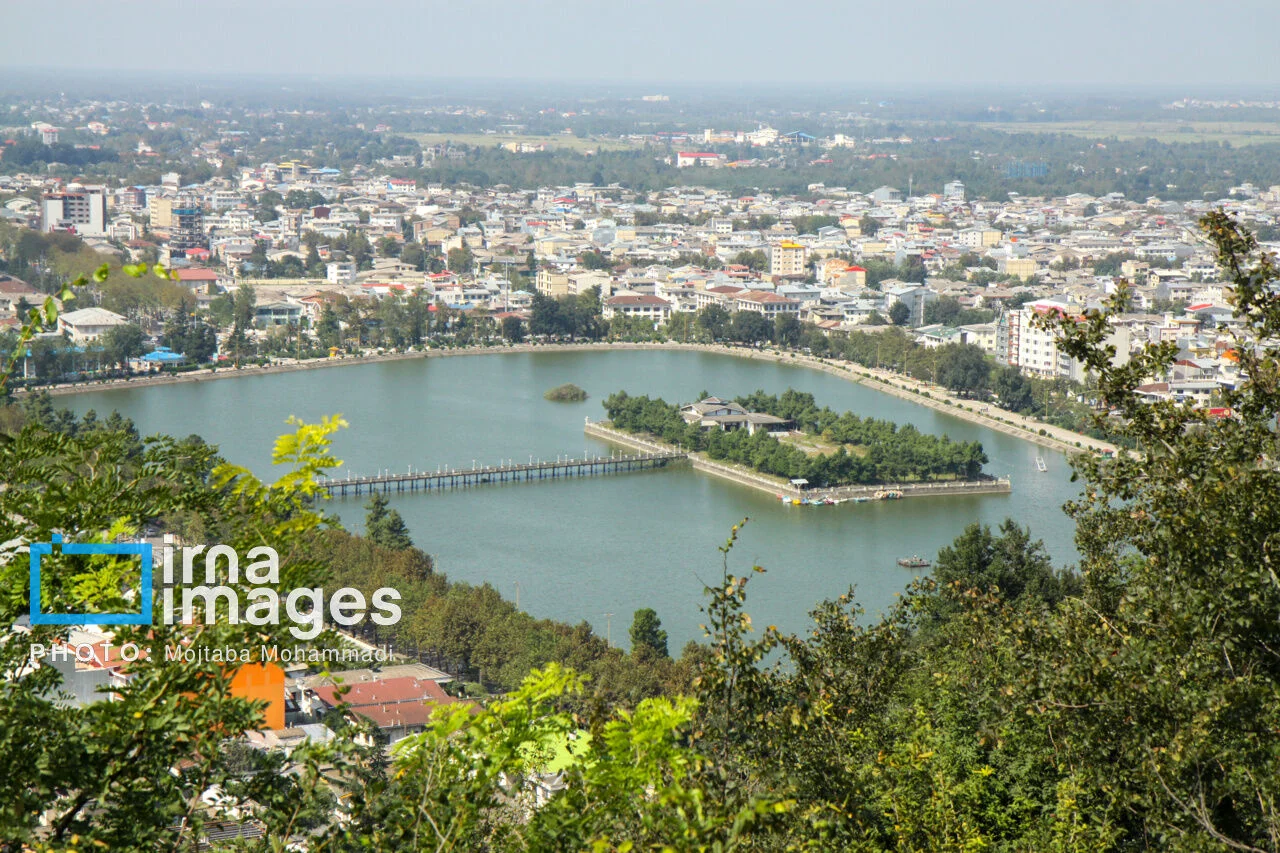
Lahijan, often referred to as the “Bride of Gilan,” has emerged as a focal point of domestic interest this Sunday, standing in stark contrast to the heightened military rhetoric elsewhere in the region. Nestled between the Alborz mountain range and the Caspian Sea, this city of 160,000 residents is more than just a scenic retreat; it is a vital agricultural hub for Iran’s tea and rice industries. The unique architecture and mist-covered tea plantations represent a significant portion of the northern economy, which remains a critical fallback for domestic investment as international trade routes face increasing pressure.
For the Iranian reader, the focus on Lahijan and the nearby Maharloo Lake in Shiraz serves as a reminder of the country's internal economic resilience. While the national currency faces fluctuations, the tourism and agricultural sectors in Gilan provide a localized stability. The vibrant café culture and historical significance of Lahijan attract thousands of visitors, creating a micro-economy that thrives on domestic consumption. This internal strength is essential during periods of geopolitical uncertainty, as it maintains a level of consumer confidence that prevents a total market freeze even when external pressures mount.

IRGC on High Alert: Missiles Locked Amid Hormuz Standoff
The geopolitical landscape has shifted toward high-intensity posturing as Brigadier General Majid Mousavi, commander of the IRGC Aerospace Force, announced that Iranian missiles and drones are currently “locked onto enemy targets.” This statement follows a series of naval skirmishes in the Strait of Hormuz, where a U.S. Navy blockade continues to intercept vessels. The IRGC has explicitly threatened to strike US sites across the Middle East if Iranian tankers come under fire, a move that has sent ripples through global energy markets. The effective closure of the Strait of Hormuz remains the single most significant threat to global oil supply, keeping Brent and WTI prices on a knife-edge.
This escalation is not merely rhetorical; it has direct implications for the Iranian Toman and the broader financial environment. In the last 24 hours, the USD sell rate in Tehran moved from 176,900 to 176,800, a minor decrease of 0.1%. While this suggests a temporary stabilization, the underlying tension suggests that any kinetic exchange in the Persian Gulf could lead to rapid volatility. Investors are currently weighing the IRGC’s “launch order” readiness against the possibility of a diplomatic breakthrough, though the latter seems increasingly distant as both sides reinforce their positions along the critical shipping lanes.
Global Markets: Bitcoin at $80K and the Gold Safe Haven
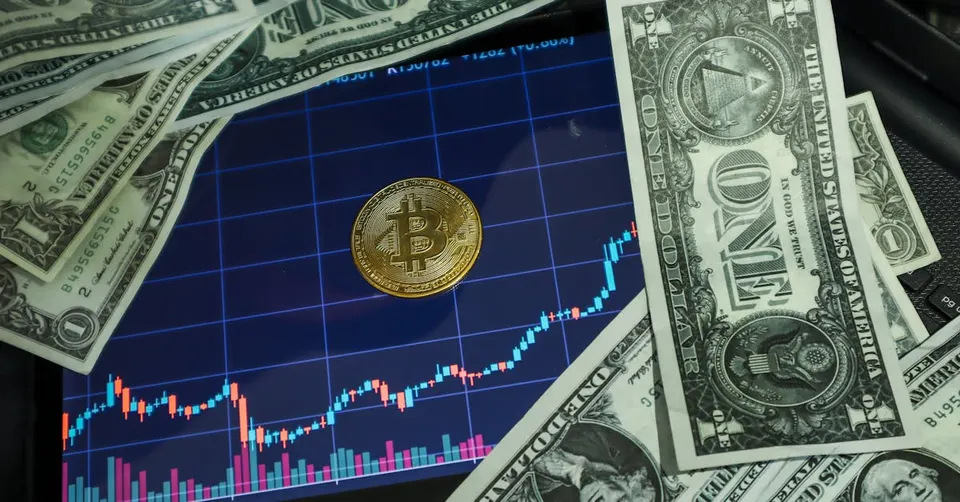
In the global financial theater, Bitcoin continues to hold its ground at a staggering $80,756, reflecting a broader shift toward digital assets as a hedge against traditional geopolitical risk. The cryptocurrency market has become a primary vehicle for capital flight and speculative growth during times of regional conflict. Meanwhile, Gold remains exceptionally strong, with the international ounce trading at $4,715.70. In the local Iranian market, the Emami coin saw a 0.8% decrease over the last 24 hours, moving from 195,500,000 to 194,000,000 Toman, likely due to a brief cooling period after a massive rally earlier in the week.
Beyond the charts, the political instability in Western Europe is adding another layer of complexity to the markets. In the UK, Prime Minister Keir Starmer is facing a surprise leadership challenge from within his own party, while in the Czech Republic, a major football derby was abandoned after fans stormed the pitch. These events contribute to a global sense of "splintering" authority, which historically favors hard assets like gold and decentralized assets like Bitcoin. For the Iranian investor, the message is clear: while local assets like gold coins show minor corrections, the global trend is firmly rooted in seeking safety amidst a world of crumbling political norms and naval blockades.
Frequently Asked Questions
Why is Lahijan being highlighted in the news today?
What is the current status of the Strait of Hormuz?
How has the USD/IRR rate reacted to the recent military threats?
Is Bitcoin still a viable hedge at $80,000?
The Strait of Hormuz: A Global Economic Choke Point
The Strait of Hormuz is one of the world's most critical maritime chokepoints, a narrow waterway connecting the Persian Gulf to the Arabian Sea and the broader Indian Ocean. Flanked by Iran to the north and Oman's Musandam Governorate to the south, this strategic passage is incredibly narrow at its most constricted point, only about 21 miles wide, with shipping lanes just two miles wide in each direction. Its geographical significance lies in its role as the sole sea passage from the Persian Gulf, making it indispensable for the global energy market.
What makes the Strait of Hormuz a true "choke point" is the immense volume of oil and liquefied natural gas (LNG) that traverses its waters daily. A significant portion of the world's seaborne oil — estimated to be around 20% of global consumption — passes through this strait, along with a substantial amount of LNG. Any disruption, even a temporary one, can send shockwaves through international energy markets, causing crude oil and gas prices to skyrocket and impacting economies worldwide. This vulnerability makes it a focal point of international security concerns and geopolitical tensions.
The geopolitical landscape surrounding the Strait of Hormuz is complex and often volatile. The presence of powerful naval forces, particularly Iran's Islamic Revolutionary Guard Corps (IRGC), and their stated capabilities to potentially block the strait in times of conflict, elevate its strategic importance. Such threats, whether real or perceived, contribute to regional instability and global economic uncertainty. The mere possibility of a blockade or naval skirmishes can trigger speculative trading in financial markets, driving up prices for safe-haven assets like gold and influencing currency exchange rates, as well as impacting investor confidence in riskier assets like Bitcoin.
Understanding the Strait of Hormuz's role as a critical choke point is essential for comprehending global energy security, international trade dynamics, and the intricate relationship between geopolitics and financial markets. Its continued open passage is vital for the stability of the world economy, underscoring why it remains a constant subject of international diplomacy and military vigilance.
Topics
Related Articles