Iran Claims 185 Missiles Intercepted as Trump-Xi Summit Looms Over Regional Stability
رهگیری ۱۸۵ موشک در «جنگ تحمیلی سوم»؛ سایه سنگین نشست ترامپ و شی بر بازارها
Iran's police command reports the neutralization of 185 missiles during the ongoing regional conflict, while markets brace for a high-stakes summit between Donald Trump and Xi Jinping in Beijing. Despite the military escalation, the Iranian Toman remains relatively stable, with the USD moving slightly lower to 176,800.
At time of publishing
USD
176,800
Toman
Gold 18K
20.18M
Toman / gram
Bitcoin
$80,646
US Dollar
Tether
17,834.2
Toman
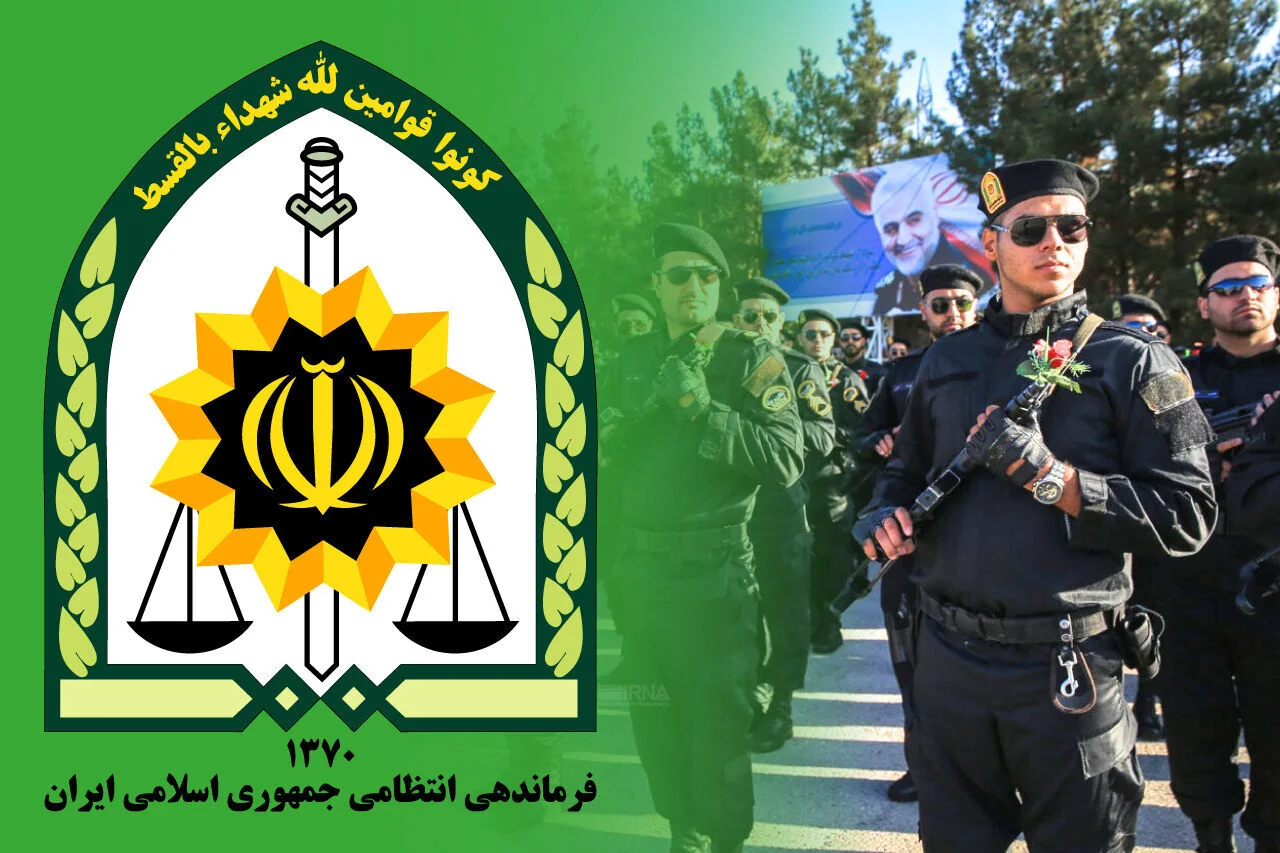
Iran’s Defense Command Reports Neutralization of 185 Missiles
In a significant update regarding the ongoing regional conflict, Sa’eed Montazer al-Mahdi, the spokesperson for the Police Command of the Islamic Republic of Iran, announced that Iranian forces successfully neutralized 185 missiles during what officials are now labeling the "third imposed war." This terminology draws a direct historical parallel to the eight-year Iran-Iraq war, signaling the perceived gravity of the current US-Israeli military pressure. The announcement underscores the high state of alert within Iran's domestic security apparatus, which is now actively involved in missile defense alongside traditional military branches.
The timing of this disclosure is critical for domestic stability. By publicizing the success of interception systems, the government aims to maintain public confidence and prevent panic-buying in the foreign exchange markets. Interestingly, the currency market has shown remarkable resilience; the USD sell rate moved from 176,900 to 176,800 Toman, a negligible decrease of 0.1%. This suggests that the market had already priced in a high level of military risk, or that central bank interventions are effectively absorbing the shock of the escalating "Ramadan War."
The Trump-Xi Summit: A Geopolitical Tightrope for Tehran
As regional tensions simmer, the global focus is shifting toward Beijing, where Donald Trump is scheduled to meet Chinese President Xi Jinping. This summit, the first by a US president to China in nearly a decade, carries immense weight for Iran’s economic future. The agenda is expected to be dominated by a "Tehran-Taiwan-Trade" triangle, where the US may offer trade concessions to China in exchange for stricter enforcement of Iranian oil sanctions. China remains the primary buyer of Iranian crude, and any shift in Beijing’s willingness to bypass US secondary sanctions could lead to a drastic reduction in Iran's foreign currency inflows.
For Iranian readers, this meeting is more than a diplomatic formality; it is a potential pivot point for the Toman’s value. If Trump successfully pressures Xi to curtail energy imports from the Persian Gulf, the current stability in the USD/IRR exchange rate could be short-lived. However, China’s own strategic interests in maintaining a presence in the Middle East—and its desire to counter US hegemony—may prevent a total alignment with Washington's maximum pressure campaign. The outcome of these talks will likely dictate the next major move for gold and currency prices in Tehran.

Regional Economic Fallout and the Stalling of Central Asian Investment
The 2026 conflict, often referred to as the Ramadan War, has begun to ripple far beyond the immediate borders of the belligerents. Reports indicate that the war has significantly constrained investment plans by Persian Gulf petrostates, including Saudi Arabia, the UAE, and Qatar, in Central Asia. These nations, which were once looking to diversify their portfolios by investing in infrastructure and energy projects across the former Soviet republics, are now redirecting capital toward domestic security and repairing infrastructure damaged by Iranian retaliatory strikes. The blockade of the Strait of Hormuz has further complicated logistics, making large-scale regional projects look increasingly risky to international creditors.
This shift in capital flow marks a setback for regional integration. Central Asian nations, which were hoping to become a bridge between the East and West, now find themselves caught in the crossfire of a maritime and aerial war. For Iran, this means a potential loss of regional partners who might have otherwise helped circumvent sanctions. As the GCC states pull back, the economic vacuum may be filled by smaller, more risk-tolerant actors, but the overall volume of trade is expected to remain depressed as long as the threat of infrastructure strikes persists.
Crypto Sentiment Warning: Bitcoin at the $80,000 Threshold
In the digital asset space, Bitcoin is currently trading at $80,646, maintaining its position above a crucial psychological barrier. However, market analysts at Santiment have issued a warning, noting a significant spike in "bullish talk" across social media platforms. Historically, when retail sentiment becomes overwhelmingly positive while prices are at all-time highs, the market often faces a "liquidity grab" or a sharp correction. The data suggests that the recent rally may be reaching a point of exhaustion, as the ratio of bullish to bearish commentary hits extreme levels.
For Iranian investors who have increasingly turned to USDT and BTC as a hedge against Toman devaluation, this warning is particularly pertinent. The Tether (USDT) price in Tehran is currently 17,834 Toman, reflecting the premium often found in the local market. If a global crypto correction occurs simultaneously with a domestic currency shock, the dual impact could be devastating for portfolios. While the long-term outlook for BTC remains strong, the current hourly data suggests that caution is warranted for those looking to enter the market at these elevated price levels.
Frequently Asked Questions
What is the 'Third Imposed War' mentioned by Iranian officials?
How does the Trump-Xi summit affect the Iranian Toman?
Why is there a warning for Bitcoin at $80,646?
Why is the USD price falling despite military escalation?
Topics
Related Articles