Jet Fuel Crisis Hits Global Aviation as Hormuz Tensions Rattle Markets and Bitcoin Slips
بحران سوخت جت در صنعت هوانوردی؛ تداوم تنشها در هرمز و عقبنشینی بیتکوین به زیر ۸۰ هزار دلار
Global aviation faces a massive profit hit as jet fuel costs soar due to the Iran conflict, while Bitcoin retreats below $80,000 amid profit-taking and conflicting reports on the Hormuz ceasefire.
At time of publishing
USD
177,000
Toman
Gold 18K
20.21M
Toman / gram
Bitcoin
$79,934
US Dollar
Tether
17,879.9
Toman
The Sky-High Cost of Conflict: Aviation’s Profit Warning
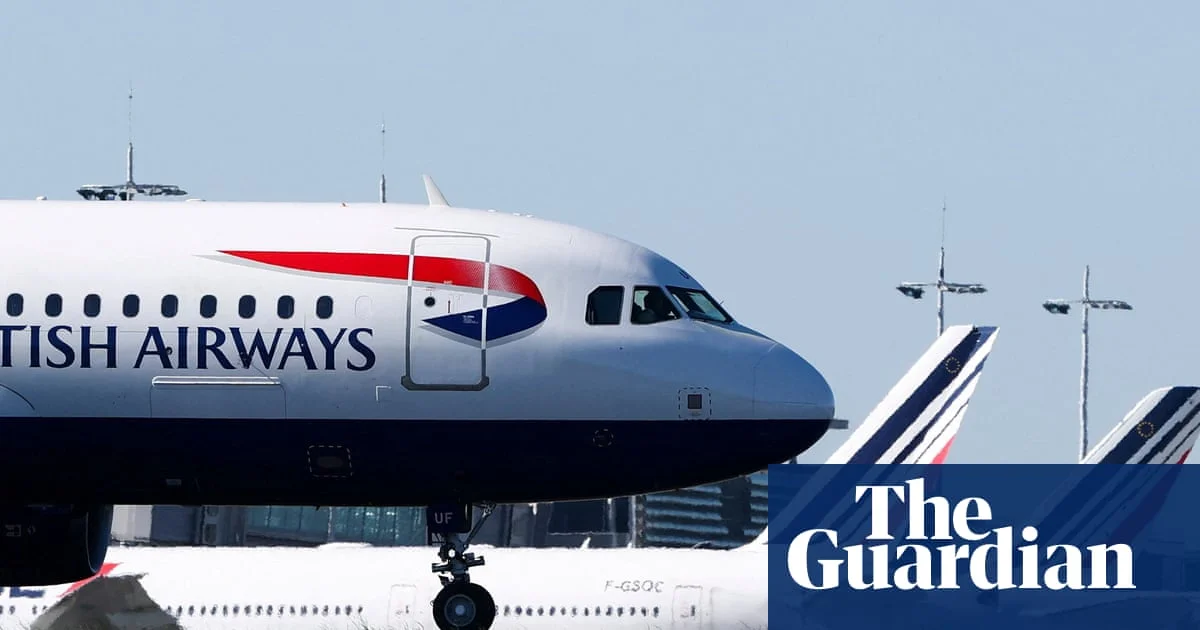
The economic ripples of the ongoing regional conflict have reached the upper atmosphere as International Airlines Group (IAG), the parent company of British Airways, issued a stark profit warning this morning. The group revealed that it expects to spend approximately €2 billion (£1.72 billion) more on jet fuel than originally projected, a direct consequence of the volatility in energy markets sparked by the US-Israeli and Iranian exchanges. This surge brings their total fuel bill to a staggering €9 billion for the year, even with 70% of their needs already hedged. For the average traveler and investor, this signals a period of unavoidable fare hikes and tightening margins for the global travel industry, which is once again being held hostage by geopolitical instability.
This development is particularly significant because it highlights how the 'war premium' on oil isn't just a theoretical number on a trading screen; it is actively eroding the profitability of the world’s most critical logistics and transport networks. While IAG also owns Aer Lingus and Iberia, the impact is felt most acutely at British Airways, which manages high-volume long-haul routes that are extremely sensitive to fuel price fluctuations. As the conflict in the Middle East persists, the aviation sector serves as a canary in the coal mine, warning that the global economy may face a prolonged period of 'cost-push' inflation driven by energy supply chains that are increasingly fragile and expensive to maintain.
The Hormuz Paradox: Ceasefire Claims vs. Naval Reality
On the geopolitical front, a confusing and dangerous narrative is emerging from the Strait of Hormuz. Despite reports of the US Navy carrying out retaliatory strikes on Iranian military targets following an attack on three American destroyers, former President Donald Trump has insisted that the regional ceasefire remains intact. This 'whiplash' news cycle has left global markets in a state of paralysis. Asian equity indices, including the Nikkei and Hang Seng, closed lower today as investors struggled to price in the risk of a full-scale escalation. The disconnect between official diplomatic statements and the kinetic reality on the water suggests a high degree of uncertainty that is currently keeping the USD/IRR rate under upward pressure, with the dollar moving from 176,700 to 177,000 Toman (+0.2%) in the last 24 hours.
For the Iranian economy, this 'no-war, no-peace' state is perhaps the most difficult environment to navigate. The ambiguity allows for speculative attacks on the Toman while simultaneously choking off formal trade routes. With the Strait of Hormuz effectively becoming a zone of intermittent fire, the cost of insurance for shipping has skyrocketed, further isolating the regional economy. Traders in Tehran are watching these developments with extreme caution, as any definitive collapse of the ceasefire could trigger a much more aggressive move in the currency markets, potentially pushing the dollar toward new psychological thresholds if the blockade-like conditions persist.
Bitcoin’s Retreat and the 'Trump Rally' Exhaustion
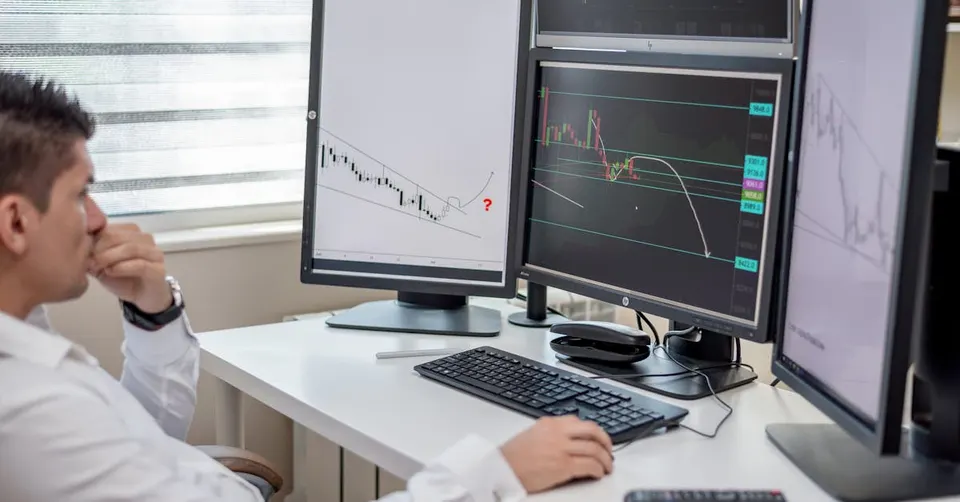
In the digital asset space, Bitcoin has finally slipped below the $80,000 mark, trading at approximately $79,934 as the initial euphoria of the 'Trump Rally' hits a wall of profit-taking. Analysts at CryptoQuant and Glassnode suggest that while the long-term structural health of the market remains intact, short-term traders are cashing out into strength, particularly as tensions in the Middle East show signs of complex stagnation rather than immediate resolution. The retreat below $80k is less about a loss of faith in the asset class and more about the natural exhaustion of momentum after a historic run. Interestingly, some analysts tie this move to the easing of immediate 'doomsday' fears in Hormuz, suggesting that Bitcoin's role as a geopolitical hedge is being recalibrated in real-time.
For Iranian crypto enthusiasts, this price action is a double-edged sword. While the lower entry point might seem attractive, the simultaneous rise in the USDT/Toman rate (currently at 17,880) means that the local cost of acquiring digital assets remains high. The market is currently in a 'wait-and-see' mode, looking for a catalyst—either in the form of a renewed US policy shift or a clear de-escalation in the Persian Gulf—to determine the next major leg of the move. Until then, the $80,000 level will likely act as a formidable resistance point that will require significant new capital inflows to overcome.
A Historic Shift: UK Elections and the Rise of Reform
Finally, the political landscape in the United Kingdom is undergoing what Nigel Farage has called a 'historic shift.' As the 2026 election results trickle in, Keir Starmer’s Labour government is facing a significant challenge from Reform UK, which is making deep inroads into traditional Labour heartlands. This political fragmentation in one of the world’s major financial hubs adds another layer of complexity to the global outlook. A weakened or distracted British government may have less bandwidth to engage in Middle Eastern diplomacy, potentially shifting the balance of power in international negotiations regarding Iran and regional security.
This internal British struggle is a microcosm of a broader global trend where voters are increasingly frustrated with established parties' inability to manage cost-of-living crises and geopolitical entanglements. For markets, political instability in the UK often leads to volatility in the Pound Sterling, which is currently selling at 240,400 Toman. As the results become more definitive, the international community will be watching to see if the UK's foreign policy—particularly its stance on sanctions and maritime security—undergoes a radical transformation to appease a more populist domestic agenda.
Frequently Asked Questions
Why is British Airways (IAG) issuing a profit warning now?
Has the US-Iran ceasefire in the Strait of Hormuz actually broken?
What caused Bitcoin to drop below $80,000 today?
How is the UK election impacting the Iranian market?
Understanding Fuel Hedging: Airlines' Shield Against Volatile Oil Prices
In an unpredictable global landscape, marked by geopolitical tensions in regions like the Strait of Hormuz, industries heavily reliant on commodities face significant risks. For airlines, jet fuel is often their single largest operating expense, making them acutely vulnerable to sudden price spikes. This is where fuel hedging comes into play—a critical financial strategy employed by carriers like IAG (parent company of British Airways) to mitigate the impact of volatile fuel costs and stabilize their financial outlook.
Fuel hedging involves airlines entering into various financial contracts, such as futures, options, or swap agreements, to lock in a price for a certain quantity of fuel at a future date. For instance, an airline might buy a forward contract to purchase jet fuel six months from now at a predetermined price. This strategy aims to create predictability in their operating costs, allowing them to budget more effectively and protect profit margins from unexpected surges in crude oil prices, which directly influence jet fuel costs.
While hedging offers a valuable shield against upward price movements, it's not without its complexities and risks. If global oil prices fall significantly below the hedged price, the airline might find itself paying more for fuel than the prevailing market rate, potentially incurring an opportunity cost. However, the primary goal is often to ensure cost stability and avoid catastrophic losses during periods of extreme price volatility, such as those triggered by geopolitical conflicts or supply disruptions in critical shipping lanes like the Strait of Hormuz. Effective hedging can be the difference between a profit warning and a stable financial performance for an airline.
Topics
Related Articles