Hormuz Ceasefire on Life Support: Trump Claims Peace Holds as 40 Ships Remain Trapped
آتشبس هرمز در لبه پرتگاه؛ ترامپ بر صلح پافشاری میکند، ۴۰ کشتی همچنان در محاصره
Despite a fresh exchange of fire in the Strait of Hormuz, Donald Trump insists the ceasefire remains in effect, while over 40 India-bound ships remain paralyzed. Meanwhile, Bitcoin has slipped below the $80,000 mark as geopolitical jitters send investors fleeing toward gold.
At time of publishing
USD
177,900
Toman
Gold 18K
20.33M
Toman / gram
Bitcoin
$79,933
US Dollar
Tether
17,939.9
Toman
The Fragile Illusion of Peace in the Strait
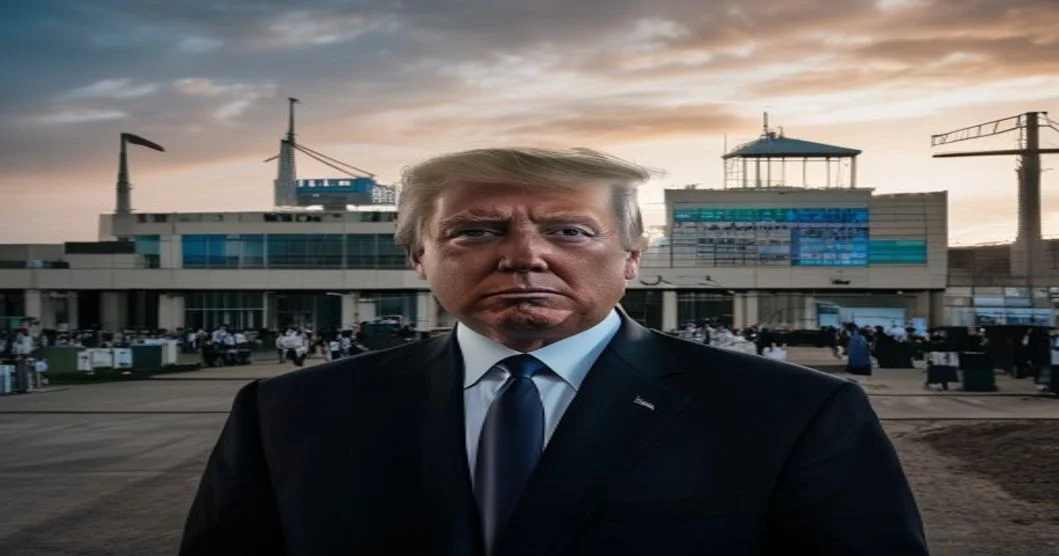
The geopolitical landscape shifted violently once again as the United States and Iran traded fire in the Strait of Hormuz late Thursday, casting a long shadow over the fragile peace proposal currently being debated in Washington and Tehran. Despite the direct military engagement—which the U.S. characterized as a response to strikes on American vessels—President Donald Trump has taken to the airwaves to insist that the ceasefire still holds. This dissonance between the reality of active combat and the rhetoric of diplomacy has left global markets in a state of high-alert confusion, as traders struggle to price in a conflict that refuses to follow a predictable trajectory.
For the Iranian economy, this uncertainty translated immediately into currency volatility. The USD/IRR rate moved from 176,700 to 177,900 Toman, a 0.7% increase that reflects the market's skepticism toward the longevity of any truce. While Iranian officials have confirmed that a peace proposal is on the table, the 'eye-for-an-eye' military logic currently dominating the Persian Gulf suggests that the path to de-escalation is fraught with potential for miscalculation. The rhetoric from Tehran remains defiant, with the Foreign Ministry emphasizing a policy of rebuilding infrastructure while maintaining a long memory for perceived aggressions.
The Economic Chokepoint: 40 Ships and a Global Fuel Crisis
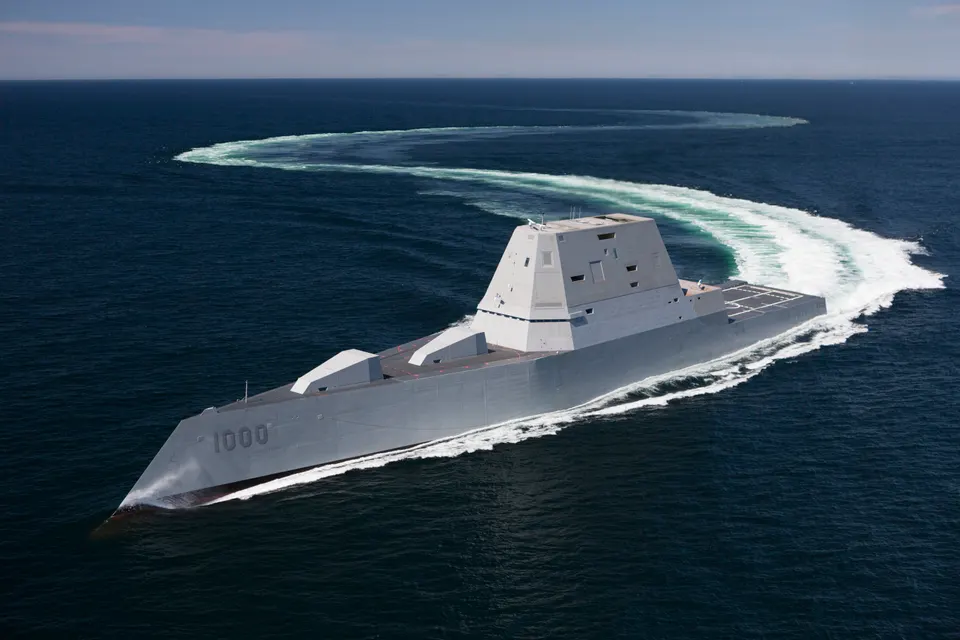
The physical manifestation of this military tension is a massive maritime logjam that is beginning to choke global energy flows. More than 40 India-bound vessels, nearly half of which are laden with crude oil, LPG, and LNG, are currently trapped west of the Strait of Hormuz. These ships represent a critical artery for the Indian economy, and their inability to transit is already causing ripples in energy markets. The Indian government has reportedly drafted priority evacuation lists, but as long as the exchange of fire continues, the risk premium for insurance and shipping remains prohibitively high.
This localized bottleneck is contributing to a broader global crisis in the aviation sector. Seaborne jet fuel exports have crashed to a 10-year seasonal low, with April figures showing a staggering drop of 630,000 barrels per day compared to last year. Asian refiners have been forced to slash production rates due to the lack of crude availability from the Middle East. For the average traveler, this means the era of cheap flights is effectively over for the foreseeable future, as airlines pass on the surging costs of scarce fuel to consumers who are already battling domestic inflation.
Crypto Retreats as Gold Claims the Safe-Haven Crown
The volatility in the Gulf has triggered a significant 'risk-off' move in the financial markets, most notably in the cryptocurrency sector. Bitcoin, which had been flirting with record highs, retreated below the $80,000 psychological threshold after news of the U.S. strikes broke. The move triggered over $300 million in futures liquidations, as leveraged long positions were wiped out in a matter of hours. While crypto advocates often tout Bitcoin as 'digital gold,' the current crisis has seen investors return to the original: physical gold.
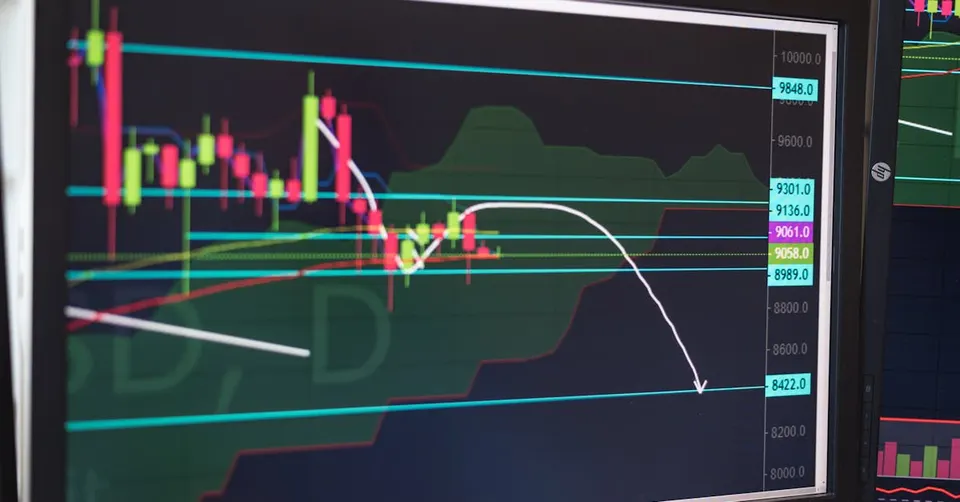
Gold 18k per gram in the Iranian market rose from 20,163,442 to 20,326,654 Toman, an 0.8% jump that tracks the international surge to $4,721.80 per ounce. This flight to quality suggests that in times of actual kinetic warfare, the market still trusts tangible assets over digital ones. Meanwhile, the broader tech sector is showing signs of exhaustion; Sony reported a 46% plunge in PS5 sales, citing a 'memory crisis' and necessary price hikes to $649. This suggests that the combination of high interest rates and geopolitical instability is finally beginning to break the back of discretionary consumer spending globally.
Watch
Trump says US negotiating with Iran despite fresh attacks
Reuters
Frequently Asked Questions
Why is Donald Trump insisting the ceasefire holds despite the exchange of fire?
How is the shipping logjam in the Persian Gulf affecting the price of gold in Iran?
Why did Bitcoin drop below $80,000 when it's often called a safe haven?
What is the 'memory crisis' affecting Sony's PS5 sales?
Geopolitical Chokepoints and Global Supply Chains
Geopolitical chokepoints are narrow, critical passages through which vast amounts of global trade, particularly energy resources, must pass. The Strait of Hormuz, mentioned in the headline, is arguably the most vital of these, connecting the Persian Gulf's oil and gas producers to the global market. Over 20% of the world's petroleum liquids and a significant portion of liquefied natural gas (LNG) traverse this strait daily. Its strategic importance means that any instability or threat of disruption in such a chokepoint has immediate and far-reaching economic implications, affecting everything from energy prices to the cost of consumer goods.
When geopolitical tensions escalate, as hinted by the "Hormuz Ceasefire on Life Support" and the presence of "40 Ships Trapped," these chokepoints become extreme vulnerabilities. The risk of blockades, attacks, or increased security measures can lead to skyrocketing shipping costs, higher insurance premiums, and significant delays. This directly impacts global supply chains, as goods cannot move efficiently. For instance, a disruption in the Strait of Hormuz would not only trigger a "global jet fuel crisis" due to restricted oil flow but also bottleneck the movement of countless other manufactured goods, from raw materials to finished products.
The ripple effects of such disruptions are profound and widespread. Commodity prices, like gold, often rise as investors seek safe-haven assets amidst uncertainty, while other assets like Bitcoin might experience volatility or drops as overall market sentiment sours. Local currencies, such as the Iranian Toman, can face severe depreciation against major currencies like the USD (impacting the USD/IRR exchange rate) due to economic instability and sanctions. Furthermore, the delays and increased costs can lead to inflation and directly affect industries reliant on global trade, contributing to issues like a "Sony PS5 sales slump" if components are delayed or shipping costs make products uncompetitive. Understanding these chokepoints is key to grasping the interconnectedness of geopolitics and the global economy.
Topics
Related Articles