US-Iran Ceasefire Tested Amid Hormuz Exchange; Global Markets Watch
آتشبس آمریکا و ایران در تنگه هرمز آزمایش شد؛ بازارهای جهانی در انتظار
Tensions flared in the Strait of Hormuz as the US and Iran reported an exchange of fire, casting doubt on the fragile ceasefire. Meanwhile, global stock markets show resilience, with one analyst suggesting further upside potential despite geopolitical jitters. In economic news, the US president has issued a revised deadline for an EU trade deal, impacting international commerce.
At time of publishing
USD
177,700
Toman
Gold 18K
20.33M
Toman / gram
Bitcoin
$80,208
US Dollar
Tether
17,931.4
Toman
US-Iran Ceasefire Tested in Strait of Hormuz Exchange
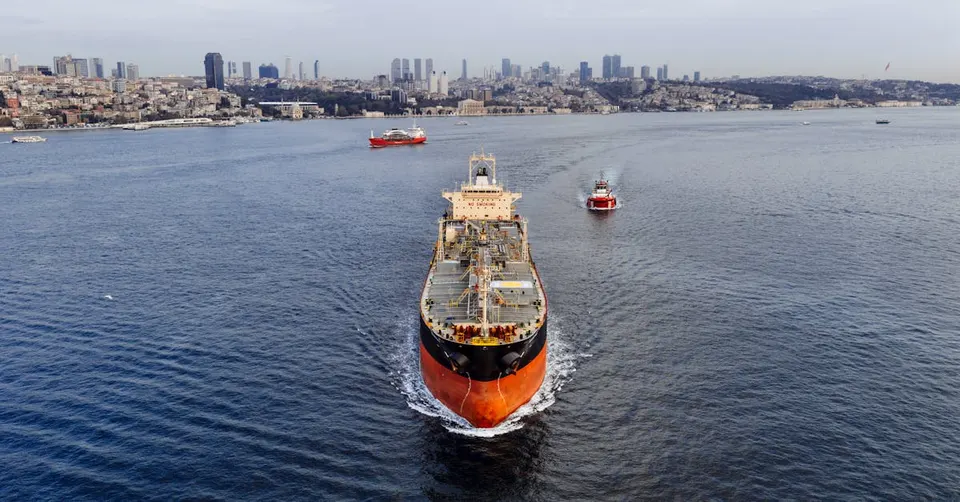
The fragile ceasefire between the United States and Iran faced its most significant test late Thursday with reports of an exchange of fire in the strategically vital Strait of Hormuz. Tehran accused Washington of violating the truce by targeting two ships and civilian areas, while U.S. officials stated they acted in retaliation. This incident marks a serious escalation after a month of relative calm, raising immediate concerns about the stability of the de-escalation efforts that had been underway, reportedly involving a one-page memorandum shared via Pakistan.
This development directly impacts regional stability and global trade routes. The Strait of Hormuz is a critical chokepoint for global oil supplies, and any disruption there can have immediate and severe repercussions on energy prices and international shipping. The incident also casts a shadow over ongoing diplomatic efforts, potentially jeopardizing any nascent agreements that were on the verge of being finalized. The reader in Iran will feel this directly through potential currency fluctuations, increased inflationary pressures, and a general decline in confidence regarding regional security and economic prospects.
---
Global Stocks Show Resilience Amid Geopolitical Uncertainty
Despite the heightened tensions in the Persian Gulf and the reported exchange of fire between the U.S. and Iran, global stock markets are demonstrating notable resilience. Analysts at MarketWatch suggest that equities, currently at all-time highs, could continue their upward trajectory. The prevailing sentiment is that should hostilities dissipate, investor focus will swiftly return to fundamental drivers such as corporate earnings and the ongoing artificial intelligence boom, which are seen as powerful catalysts for further market growth.
This optimistic outlook is predicated on the assumption that the geopolitical flare-up in the Strait of Hormuz will be contained and not escalate into a wider conflict. The report highlights that the AI sector, in particular, continues to be a significant driver of market performance, suggesting that technological innovation remains a strong counterpoint to geopolitical risks. For investors, this presents a complex environment where short-term volatility must be weighed against long-term growth potential, particularly in tech-focused sectors.
Trump Revises EU Trade Deal Deadline
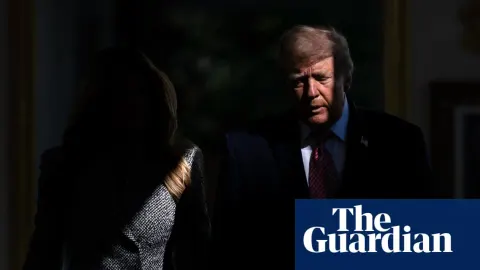
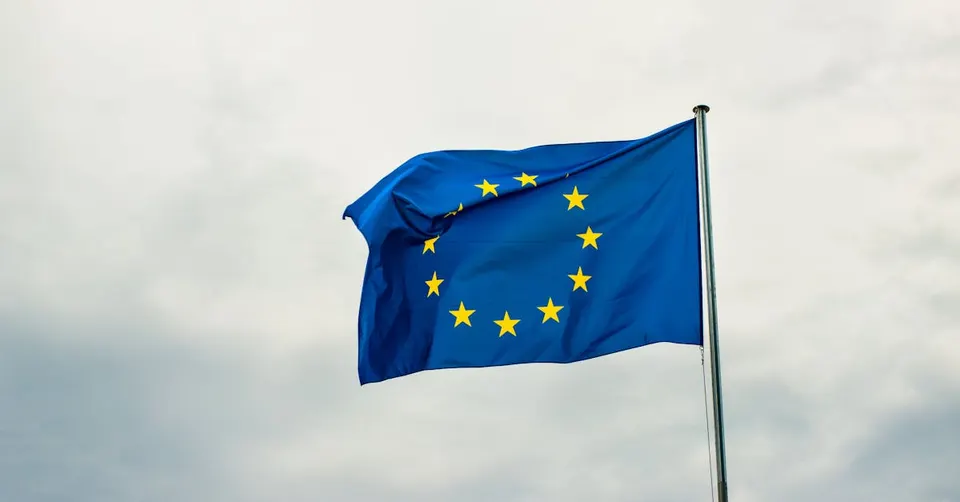
U.S. President Donald Trump has softened his stance on potentially abrogating parts of the trade deal with the European Union, but has set a firm new deadline of July 4 for the bloc to ratify its commitments. Trump expressed impatience with the pace of implementation, warning that failure to comply would result in significantly higher tariffs on EU imports. This move comes after a U.S. trade court ruled against the president's imposition of a 10% global tariff, indicating a complex interplay between executive demands and judicial review in shaping trade policy.
The revised deadline and the underlying threat of increased tariffs have direct implications for international commerce and could impact inflation for consumers and businesses on both sides of the Atlantic. For Iran, such shifts in major economic blocs can influence global demand for energy and commodities, indirectly affecting its own economic strategies and trade relationships. The delicate balance of international trade is underscored by these negotiations, where deadlines and threats are used as leverage to achieve specific economic outcomes.
---
China's Strategic Advantage Amidst Hormuz Disruptions
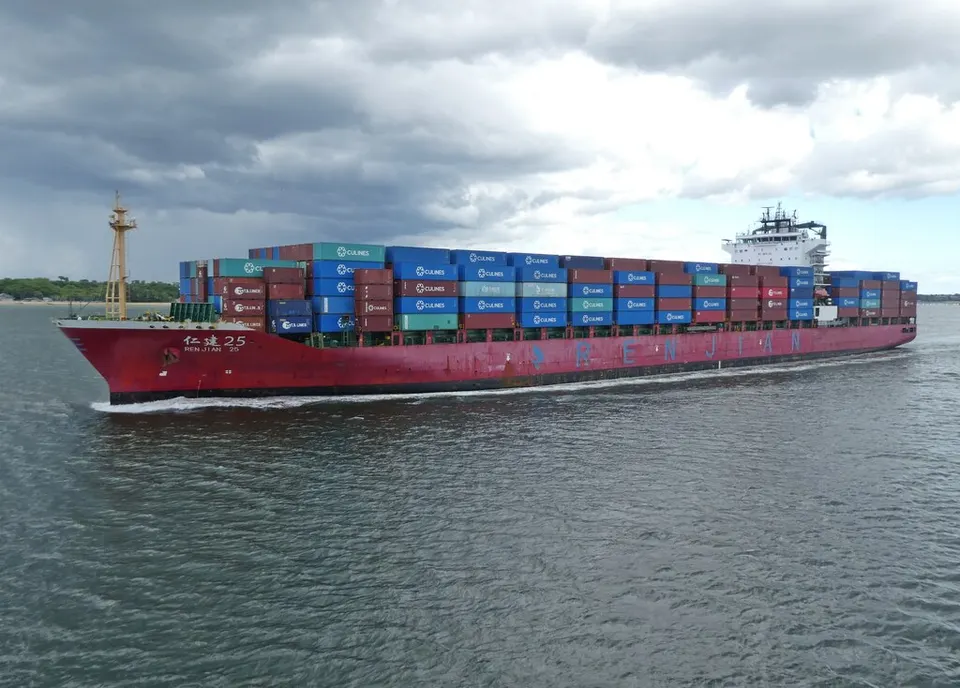
As the Strait of Hormuz blockade continues to disrupt global trade routes and energy markets, China appears to be emerging from this crisis with enhanced leverage. While other major economies grapple with the fallout, China's robust manufacturing base and strong export capabilities remain largely unaffected. Furthermore, the extensive infrastructure projects it has undertaken in recent years, particularly corridor systems, are now proving exceptionally useful, facilitating trade even amidst regional instability.
The decision by Pakistan to open transit routes into Iran is cited as a prime example of how these Chinese-built corridors are being utilized. This strategic positioning allows China to maintain its trade flows and potentially increase its influence in the region, as nations reliant on Middle Eastern trade seek alternative routes and partners. For Iran, this could present opportunities for increased trade and transit through these new corridors, potentially mitigating some of the negative impacts of the Hormuz disruptions and Western sanctions.
---
Oil Prices Experience Volatility Amidst Conflict
Crude oil prices have undergone a period of extreme volatility, with June West Texas Intermediate (WTI) futures swinging dramatically between a high of $107.46 and a low of $88.66 in the first week of May. This price action is a direct response to the ongoing U.S.-Iran conflict, the disruptions in the Strait of Hormuz, and fluctuating diplomatic negotiations. The market's sensitivity to supply disruptions and geopolitical headlines has been starkly demonstrated, with prices stabilizing near $97 a barrel by the end of the week, reflecting the uncertainty.
The arrival of the first oil tanker in South Korea via the Strait of Hormuz since the conflict began offers a glimmer of normalization for some trade routes. However, the broader market remains on edge. For Iran, these price swings have significant implications, affecting government revenue and the cost of imported goods. The potential for further disruptions continues to underpin price volatility, making it challenging for both producers and consumers to plan effectively. The reader will observe this in the cost of fuel and in broader inflationary pressures affecting everyday goods and services.
Watch
Trump says US-Iran ceasefire still in place after exchange of fire in Strait of Hormuz | BBC News
BBC News
Frequently Asked Questions
What specifically happened in the Strait of Hormuz?
How are global stock markets reacting to the geopolitical tensions?
What is the new deadline for the EU-US trade deal?
How is China benefiting from the disruptions in the Strait of Hormuz?
What has been the trend in oil prices recently?
The Geopolitical Significance of Maritime Chokepoints: The Strait of Hormuz
In the intricate web of global trade and energy supply, certain narrow sea lanes hold disproportionate strategic importance. These are known as maritime chokepoints, and they are critical bottlenecks through which a substantial portion of the world's goods, especially oil and natural gas, must pass. Any disruption to these passages, whether due to geopolitical tensions, conflict, or natural disaster, can send immediate ripples across international markets, impacting everything from commodity prices to global political stability.
Among these vital chokepoints, the Strait of Hormuz stands out as arguably the most critical. Located between the Persian Gulf and the Arabian Sea, it is the sole maritime passage from the Persian Gulf to the open ocean. Through this narrow strait, roughly one-fifth of the world's total petroleum consumption and a significant portion of its liquefied natural gas (LNG) transit daily. This makes it an indispensable artery for global energy supply, with major oil producers like Saudi Arabia, Iran, UAE, Kuwait, and Iraq relying on it for their exports.
The immense volume of energy resources passing through the Strait of Hormuz means that any threat to its free passage can trigger immediate and severe consequences. Geopolitical tensions, such as those between the US and Iran, directly translate into heightened anxiety in global markets. Fears of a blockade or disruption can cause oil prices to spike, impacting energy costs for consumers and industries worldwide. This vulnerability underscores why events in the region, even a tested ceasefire, are watched so closely by global markets and governments, including major energy consumers like China.
Understanding the concept of maritime chokepoints, particularly the Strait of Hormuz, is key to comprehending the dynamics of international relations, energy security, and global economics. It highlights how seemingly localized conflicts can have far-reaching global implications, turning a narrow stretch of water into a flashpoint for international diplomacy and a critical determinant of global economic health.
Topics
Related Articles