
Toyota’s £3bn War Toll & Hormuz Fire: Global Markets Shaken as USD Hits 177,600
ضرر ۳ میلیارد پوندی تویوتا و آتش در هرمز: فشار جنگ بر بازارهای جهانی و صعود دلار به ۱۷۷,۶۰۰
Toyota issues a massive profit warning citing the Iran conflict, while renewed clashes in the Strait of Hormuz push the USD/IRR higher and force airlines to hike fares.
At time of publishing
USD
177,600
Toman
Gold 18K
20.24M
Toman / gram
Bitcoin
$80,271
US Dollar
Tether
17,912.8
Toman
Toyota’s £3 Billion Warning: The Global Price of Conflict
Toyota, the world’s largest automaker, has sent shockwaves through the global industrial sector by reporting a staggering £3 billion ($3.75 billion) hit to its bottom line directly attributed to the ongoing conflict in Iran. The company’s latest financial report reveals a dual crisis: the skyrocketing cost of raw materials and a dramatic collapse in regional sales. Toyota executives warned that the company is "likely unable to absorb" the newly added impact from the Middle East, signaling that the era of manageable supply chain disruptions has ended. This isn't just a corporate loss; it is a clear indicator that the geopolitical instability in the Persian Gulf is now fundamentally altering the cost structure of global manufacturing.
For the average consumer and investor, this report serves as a harbinger of more expensive goods. As Toyota struggles with parts and material prices, other manufacturers are expected to follow suit with price hikes. In Iran, where Toyota vehicles have long been a benchmark for the 'grey market' and luxury resale sectors, this global supply tightening further exacerbates local inflationary pressures. When the world’s most efficient manufacturer admits it cannot offset these costs, it signals a permanent shift in the global economic landscape, moving away from the low-inflation environment of the previous decade.

Fire in the Strait: Diplomacy Fails as Naval Clashes Resume
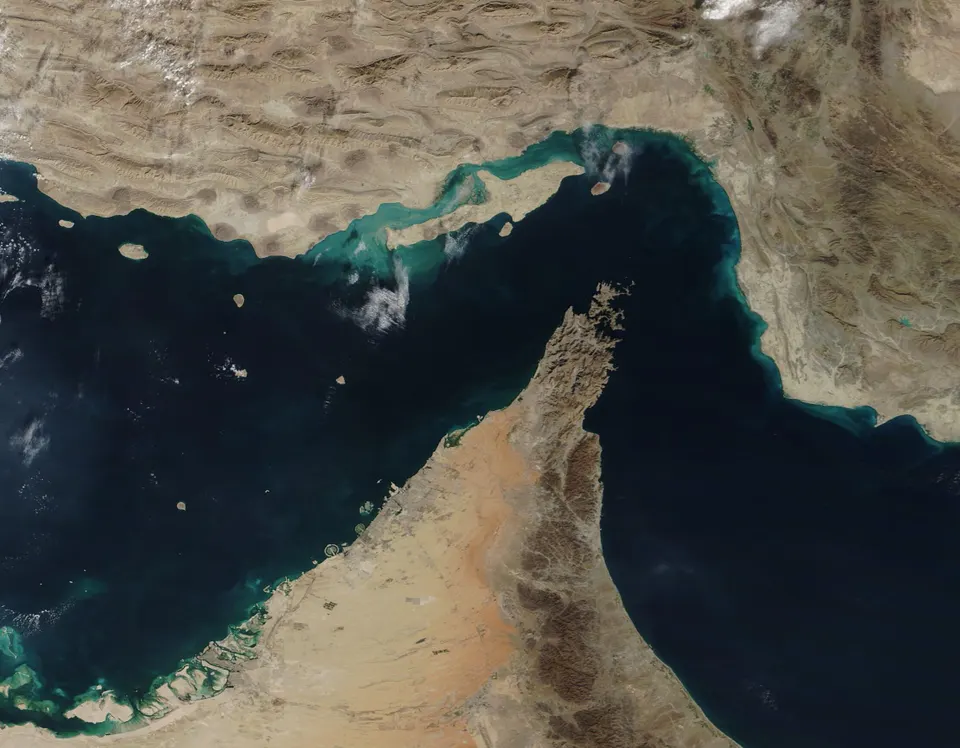
The fragile ceasefire in the Strait of Hormuz appears to be on the verge of total collapse following an intense exchange of fire between the US Navy and Iranian forces. Despite former President Trump’s assertions that the peace agreement remains intact, reports from US Central Command confirm that Iranian drones and small boats targeted American destroyers, including the USS Truxtun. Iran’s Foreign Minister has remained defiant, stating that Iranians will "never bow to pressure," even as Washington debates a new peace proposal. This rhetorical and military escalation has trapped dozens of commercial vessels in the region, including the sanctioned tanker JIN LI, which has been linked to numerous Iranian hydrocarbon transfers.
This military friction has immediate consequences for the Iranian Rial. In the last 24 hours, the USD/IRR rate moved from 176,700 to 177,600, a 0.5% increase that reflects the market's anxiety over a potential full-scale naval blockade. The Strait of Hormuz is the world's most critical energy chokepoint, and every drone launched or missile fired adds a 'risk premium' to the Toman. Investors are increasingly moving away from the local currency, seeking refuge in gold and hard assets as the diplomatic window seems to be closing faster than anticipated.
The Inflationary Tax: Airlines and Crypto Feel the Heat
The economic ripples of the Hormuz crisis have reached the aviation industry, with British Airways (IAG) announcing a significant fare hike to offset a £1.7 billion surge in fuel costs. The airline group noted that while 70% of its fuel was hedged, the sheer volatility of jet fuel prices—driven by the Middle East conflict—requires passing costs onto passengers. This "war tax" on global travel is a direct result of the energy supply chain being held hostage by regional tensions. It demonstrates how a localized conflict in the Persian Gulf can manifest as a more expensive vacation or business trip for someone halfway across the globe.
In the digital asset space, Bitcoin is currently fighting to reclaim the $80,000 psychological level after a brief dip to $77,000 caused by the initial news of the naval clashes. While BTC rose to $80,271 in the latest session, ETF outflows of $277 million suggest that institutional investors are becoming wary of the heightened geopolitical risk. Meanwhile, in the local Iranian market, Gold 18k per gram rose by 0.4%, moving from 20,163,442 to 20,241,008 Toman. This synchronized rise in gold and the US dollar suggests that domestic sentiment is braced for further volatility, regardless of the 'ceasefire' headlines coming out of Washington.

Frequently Asked Questions
Why is Toyota losing money because of the Iran conflict?
Is the ceasefire in the Strait of Hormuz still in effect?
How has the Iranian Rial responded to the latest naval clashes?
Why are international airfares rising?
The Strait of Hormuz: A Geopolitical Chokepoint and Its Global Economic Ripple Effect
The Strait of Hormuz, a narrow waterway connecting the Persian Gulf with the Arabian Sea and the open ocean, stands as one of the world's most critical geopolitical chokepoints. At its narrowest point, it is only about 21 nautical miles (39 kilometers) wide, yet it serves as the sole maritime passage for a substantial portion of the world's oil and liquefied natural gas (LNG) shipments. Its strategic location makes it indispensable for energy exports from major producers like Saudi Arabia, Iran, UAE, Kuwait, and Iraq, fundamentally linking regional stability to global energy security.
Any disruption or perceived threat in the Strait of Hormuz can send immediate shockwaves through international energy markets. Given that roughly one-fifth of the world's total petroleum liquids consumption and about one-third of global LNG trade passes through this channel, even minor incidents—such as the "Hormuz Fire" mentioned in the headline or heightened regional tensions—can trigger sharp spikes in oil prices. This volatility directly impacts global supply chains, as transportation costs for goods increase, leading to higher prices for consumers and reduced profit margins for businesses worldwide.
The economic fallout from such geopolitical incidents extends far beyond the energy sector. Increased uncertainty and risk premiums can lead to significant currency fluctuations, as seen with the USD/IRR exchange rate, and drive investors towards safe-haven assets like gold. Companies with extensive global supply chains, like Toyota, face direct financial losses due to disrupted shipping routes, increased insurance costs, and potential damage to assets. Furthermore, the broader economic instability can manifest in higher operational costs for industries like aviation, resulting in fare hikes for travelers.
Understanding the Strait of Hormuz's role as a geopolitical chokepoint is crucial for comprehending the interconnectedness of global economics and international relations. It illustrates how localized conflicts or tensions in strategically vital regions can cascade into widespread market volatility, impacting everything from the price of gasoline at the pump to the cost of international travel and the stability of national currencies. The events highlighted in the news—from corporate losses to currency devaluations—are direct symptoms of the inherent vulnerabilities associated with such critical maritime passages.
Topics
Related Articles