US-Iran 'One-Page' Peace Plan Emerges Amid Hormuz Chaos; Bitcoin Tests $80k as Toman Inches Higher
طرح صلح «یکصفحهای» ایران و آمریکا روی میز؛ تنش در هرمز و ایستگاه ۸۰ هزار دلاری بیتکوین
A potential 30-day ceasefire plan between Tehran and Washington offers a glimmer of hope for the Strait of Hormuz, even as military rhetoric remains sharp. Meanwhile, Bitcoin struggles to maintain its $80,000 psychological barrier amid shifting global risk sentiment.
At time of publishing
USD
177,100
Toman
Gold 18K
20.23M
Toman / gram
Bitcoin
$79,984
US Dollar
Tether
17,826.3
Toman
The 'One-Page' Gamble: US and Iran Eye 30-Day Ceasefire
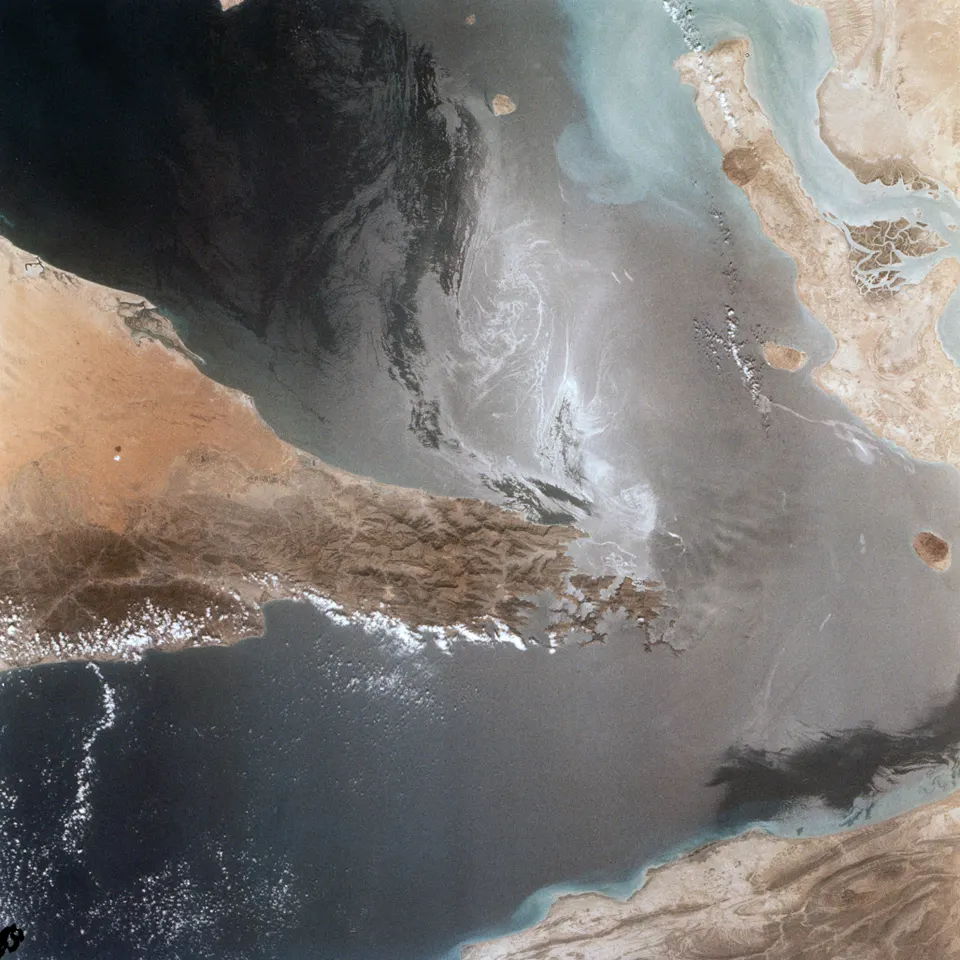
In a move that has caught global markets by surprise, Iranian officials have confirmed that Tehran and Washington are reviewing a concise, "one-page" proposal aimed at de-escalating the ongoing conflict in the Persian Gulf. The plan, reported by the New York Times, suggests a 30-day window of cooling-off during which the Strait of Hormuz would be reopened to commercial traffic. This period is intended to provide the diplomatic breathing room necessary for both nations to negotiate a more robust and comprehensive long-term agreement. For Iranian citizens, this represents the most significant signal of potential sanctions relief and economic stabilization in months, directly impacting the volatility seen in the currency markets.
However, the path to peace remains fraught with skepticism. While the proposal is on the table, it lacks the signatures of top leadership, and the 30-day timeline is viewed by many analysts as an incredibly tight window for resolving decades of mistrust. The proposal comes at a critical juncture where the global economy is reeling from disrupted oil supply chains. If the plan fails to materialize, the threat of a wider regional conflagration remains at an all-time high, keeping insurance premiums for shipping and energy prices in a state of constant flux.
Diplomacy Under Fire: Araghchi’s 'Heavy Slap' and Tanker Seizures
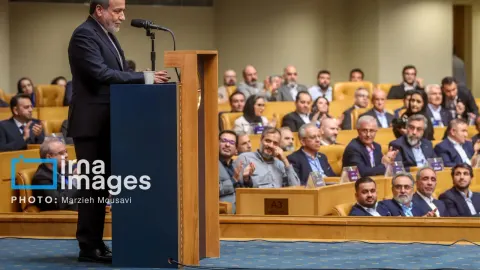
Despite the whispers of a peace plan, the rhetoric on the ground remains aggressively defensive. Foreign Minister Abbas Araghchi recently characterized Iran's response to alleged US ceasefire violations as a "heavy slap" delivered to the face of the aggressors. This statement follows reports of Iranian commandos seizing an oil tanker in the Gulf of Oman, which Tehran claims was disrupting national interests and attempting to bypass legal export protocols. The seizure of the vessel, which was reportedly carrying Iranian crude, serves as a stark reminder that the Islamic Republic is prepared to use its naval leverage to enforce its sovereignty, even as diplomatic channels remain open.
This duality—negotiating a peace plan while simultaneously engaging in maritime interdiction—is a classic hallmark of regional brinkmanship. Araghchi’s comments also took aim at the United States for choosing "reckless military adventure" over diplomatic solutions, specifically citing the recent buildup of US naval assets in the region. For the average reader, this means that while headlines might suggest a ceasefire is near, the risk of a sudden military escalation remains a primary driver of market fear. The "heavy slap" narrative is designed for domestic consumption to show strength, but it also signals to Washington that any deal must be made on terms that respect Iranian military red lines.
Markets on Edge: Bitcoin Stabilizes as Toman Inches Higher
The financial markets are reacting with cautious optimism to the diplomatic developments, though the data shows a slight upward pressure on safe-haven assets. In Tehran, the USD rose from 176,700 to 177,100 Toman, a modest increase of +0.2% over the last 24 hours. Gold prices followed a similar trajectory, with 18k gold moving from 20,163,442 to 20,234,082 Toman (+0.4%). This suggests that while there is hope for a deal, traders are not yet ready to dump their hard currency or gold holdings, preferring to wait for a formal announcement before recalibrating their portfolios.
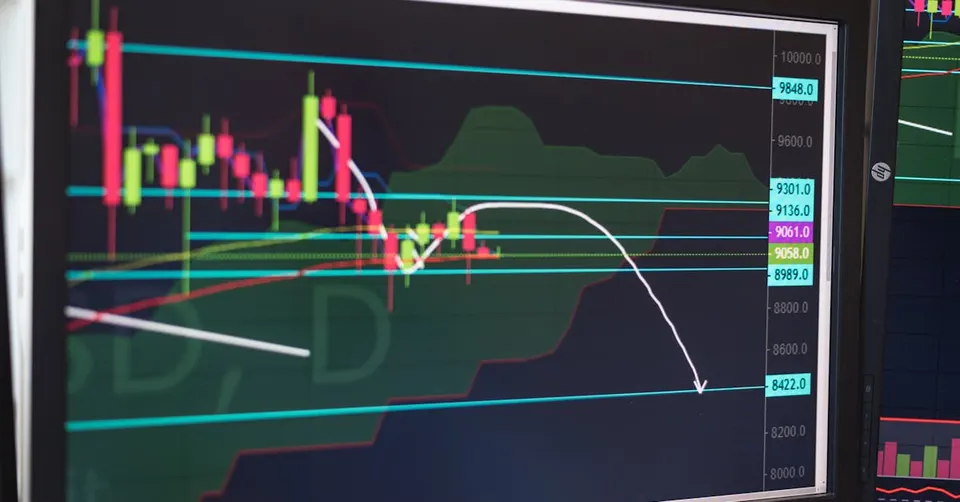
In the cryptocurrency space, Bitcoin is currently trading at $79,984, hovering just below the $80,000 mark. The rally appears to have cooled slightly as investors digest a mix of stronger-than-expected US employment data and the ongoing geopolitical uncertainty. Interestingly, a technical glitch on the Revolut platform briefly saw Bitcoin prices crash near zero due to a third-party service disruption, causing a momentary panic among retail traders. Despite this, the macro ceiling remains firm, and the market is largely in a "wait-and-see" mode, looking for a definitive break in the US-Iran deadlock to trigger the next major move in risk assets.
Frequently Asked Questions
What is the 'one-page' plan mentioned by Iranian officials?
Why did the Iranian Foreign Minister mention a 'heavy slap'?
How has the USD/IRR exchange rate changed in the last 24 hours?
Why did Bitcoin's price crash to near zero on Revolut?
Understanding Geopolitical Risk and Its Market Impact
Geopolitical risk refers to the potential for political instability, conflicts, and international tensions to disrupt global markets and economic activity. These risks can stem from various sources, including wars, diplomatic disputes, terrorism, trade conflicts, and even significant political elections or policy shifts in major nations. Unlike conventional economic risks that might arise from interest rate changes or inflation, geopolitical risks are inherently unpredictable and can introduce sudden, dramatic shifts in investor sentiment and market behavior.
The impact of geopolitical risk is far-reaching. For instance, tensions in critical regions like the Middle East, particularly around strategic chokepoints such as the Strait of Hormuz, can directly threaten global energy supplies. Any disruption in oil transit through such a vital waterway can lead to sharp spikes in crude oil prices, affecting everything from transportation costs to manufacturing expenses worldwide. Beyond energy, geopolitical events can trigger supply chain disruptions, capital flight from perceived risky markets, and significant currency fluctuations as investors seek safer assets.
In the context of the US-Iran situation and the Strait of Hormuz, heightened geopolitical risk directly influences asset prices. When tensions escalate, investors often flock to traditional safe-haven assets like gold, which tends to hold its value during times of uncertainty. Cryptocurrencies like Bitcoin, while volatile, are also increasingly seen by some as a hedge against traditional financial system risks or as a store of value in regions facing currency instability, such as the Iranian Toman. Understanding geopolitical risk is crucial for anyone trying to decipher how global events can ripple through financial markets and impact their investments or daily economic life.
Topics
Related Articles