US Fires on Iranian Tankers; Market Reacts to Ceasefire Violations
آمریکا به نفتکشهای ایران شلیک کرد؛ بازار در واکنش به نقض آتشبس
The fragile Middle East ceasefire is under severe strain as US forces fired on two Iranian-flagged oil tankers attempting to breach a blockade. This escalation comes amidst ongoing diplomatic efforts and raises significant concerns for regional stability and global oil markets.
At time of publishing
USD
177,400
Toman
Gold 18K
20.22M
Toman / gram
Bitcoin
$79,632
US Dollar
Tether
17,841.9
Toman
US Fires on Iranian Tankers, Ceasefire Under Threat
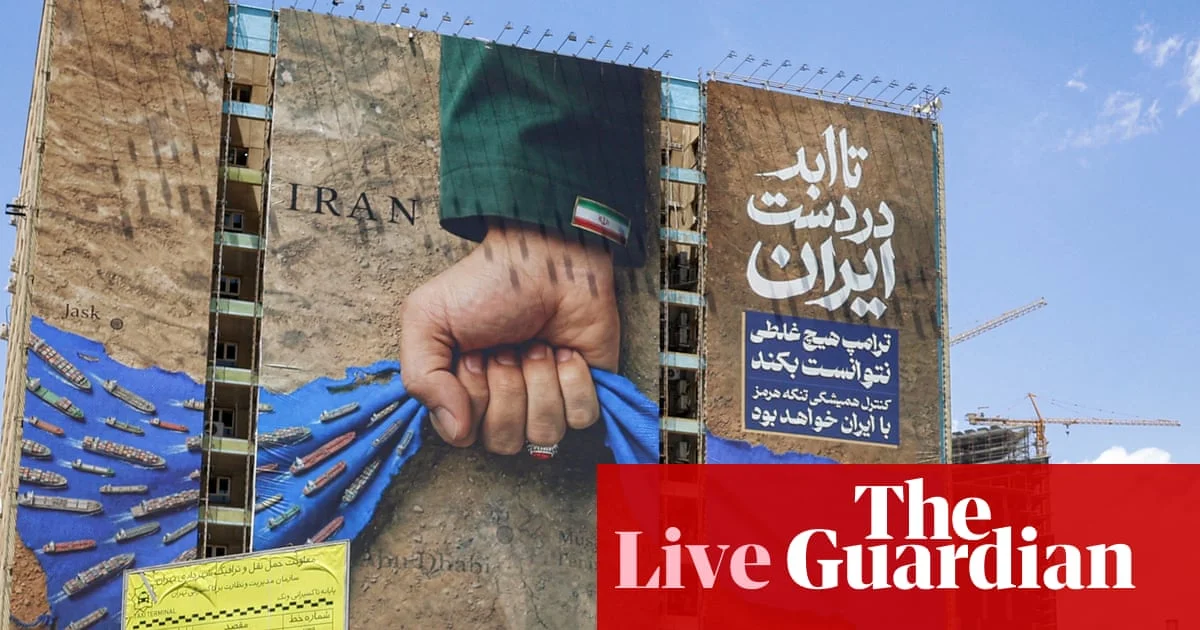
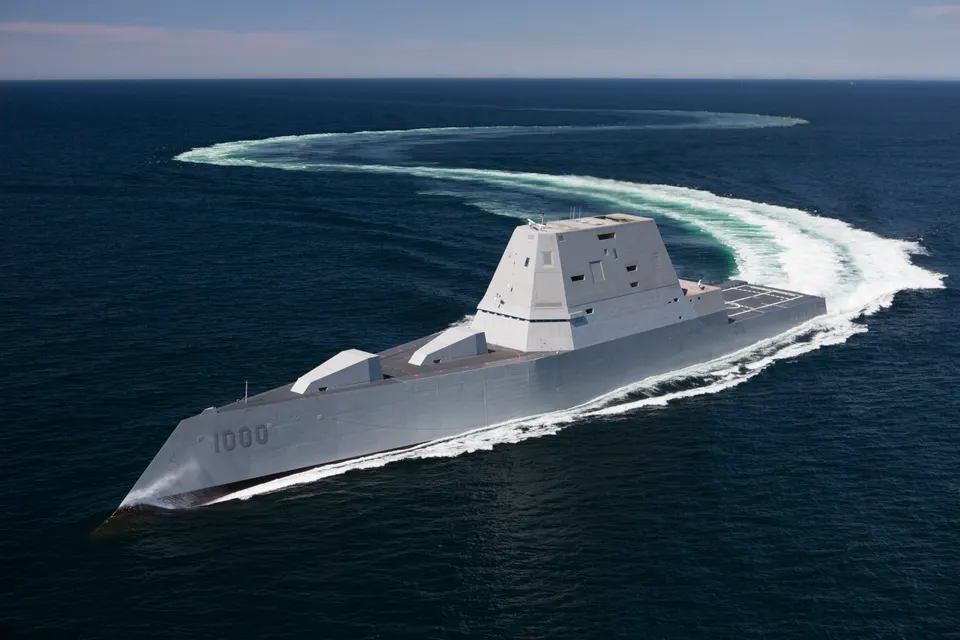
Central Command (Centcom) announced Friday that US forces fired upon two Iranian-flagged oil tankers attempting to violate a blockade in the Persian Gulf. According to Centcom, the vessels were warned and subsequently engaged when they proceeded with their attempt to breach the blockade. This incident marks a significant escalation and a severe test of the recently established ceasefire between the US and Iran, raising immediate concerns about regional stability and the flow of international trade, particularly oil.
The tanker monitor, Tanker Trackers, identified one of the vessels as the "JIN LI" (formerly Ocean Koi), which has a history of transporting Iranian hydrocarbons. The vessel, owned by a Shanghai-based company, was previously sanctioned by the US Office of Foreign Assets Control (OFAC) in February 2026. The Iranian Foreign Ministry spokesperson swiftly condemned the action, calling it a "clear violation of international law and the ongoing ceasefire." This incident directly contradicts Tehran's warnings that Washington's actions were jeopardizing the fragile peace.
---
Geopolitical Fallout and Market Uncertainty
This direct engagement between US and Iranian forces, even if against flagged vessels, has sent ripples of uncertainty through global markets. Oil prices, which were already volatile due to conflicting signals from US-Iran negotiations, are expected to react sharply. The incident underscores the deep-seated mistrust and the precariousness of the current truce, potentially leading to renewed tensions and impacting energy supply routes. The implications for international shipping lanes, especially the Strait of Hormuz, remain a critical concern for global commerce.
Further complicating the geopolitical landscape, Secretary of State Marco Rubio is in Rome attempting to mend strained relations with Italian leaders and the Vatican, following critical remarks from Donald Trump regarding the Pope's stance on the Iran conflict. Rubio indicated that a response from Iran to the US's peace proposal was expected on Friday. However, this tanker incident could significantly undermine such diplomatic efforts, casting a shadow over the prospect of a lasting resolution and potentially emboldening hardliners on both sides.
---
Iran's Economic Resilience Tested Amidst Tensions
President Masoud Pezeshkian's remarks condemning the targeting of cultural and historical sites by "US-Israeli aggression" highlight Iran's broader concerns about its sovereignty and national identity amidst ongoing geopolitical pressures. While this specific incident involved oil tankers, the underlying conflict and the constant threat of sanctions or military action directly impact Iran's economic outlook, including its currency and trade capabilities.
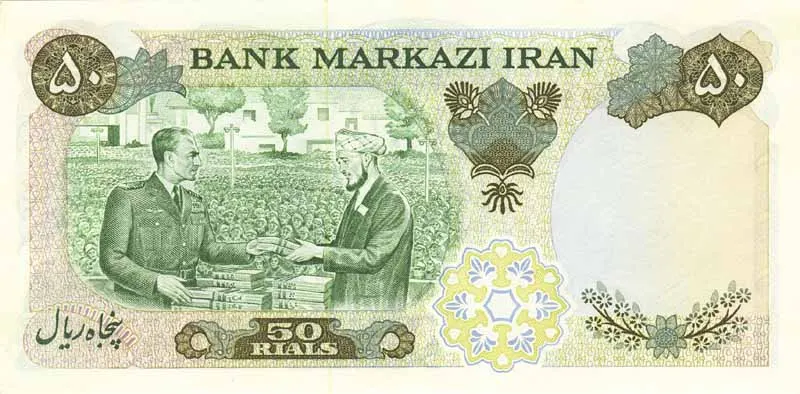
The USD/IRR exchange rate saw a slight increase of 0.4% in the last 24 hours, moving from 176,700 to 177,400. Gold prices also saw a marginal uptick, with 18k gold per gram rising 0.3%. While the Emami coin remained stable, these small movements reflect the underlying market sensitivity to geopolitical events. The Iranian economy, already navigating sanctions and trade restrictions, faces continued challenges in maintaining stability when such incidents occur, impacting investor confidence and potentially leading to increased inflation expectations if trade routes are further disrupted or sanctions are tightened in response.
---
Broader Implications for Global Trade and Diplomacy
Beyond the immediate impact on oil prices and regional stability, the incident with the Iranian tankers serves as a stark reminder of the broader challenges in managing international conflicts. The news of the US military action comes as the world watches closely for Iran's response to a US peace proposal, with Secretary Rubio expecting an answer by Friday. The effectiveness of diplomacy is significantly tested when kinetic events like this occur, potentially derailing carefully constructed peace efforts.
This event also occurs against a backdrop of other geopolitical developments, including the UK's local election results showing significant losses for the Labour party, and the ongoing legal proceedings in the US regarding the Haitian president's assassination. While these may seem distant, they collectively paint a picture of a world grappling with instability on multiple fronts, underscoring the interconnectedness of global security and economic well-being. The ability of nations to de-escalate and find diplomatic solutions remains paramount in preventing further disruption to global trade and maintaining a semblance of international order.
Frequently Asked Questions
What exactly happened with the US and Iranian tankers?
How did this incident affect the USD/IRR exchange rate?
What is the current status of the Middle East ceasefire?
What historical context is there for the involved tanker?
What are the broader implications for global markets?
The Geopolitics of Oil
The headline "US Fires on Iranian Tankers; Market Reacts to Ceasefire Violations" highlights a critical concept: the Geopolitics of Oil. This term describes the complex interplay between geography, political power, and the global supply and demand for petroleum. Oil is not merely a commodity; it is the lifeblood of modern industrial economies, fueling transportation, manufacturing, and electricity generation. Consequently, control over oil resources, transit routes, and pricing mechanisms grants immense strategic leverage and is a constant source of international competition and conflict.
The Middle East, home to the world's largest proven oil reserves and several crucial maritime choke points like the Strait of Hormuz, sits at the heart of this geopolitical dynamic. Any instability in this region – whether from military confrontations, political unrest, or ceasefire violations – immediately sends ripples through global energy markets. Threats to oil tankers, blockades of vital shipping lanes, or even the perception of such risks can disrupt supply chains, leading to sharp spikes in crude oil prices. This vulnerability underscores why major global powers are deeply invested in the region's stability, often forming complex alliances and rivalries to secure their energy interests.
When geopolitical tensions escalate, as suggested by the firing on tankers, markets react by pricing in a "risk premium." This premium is an additional cost added to the price of oil to compensate for potential future disruptions or shortages. It reflects investor anxiety about supply security, even if actual supplies haven't been immediately affected. Understanding the geopolitics of oil is essential for comprehending why localized conflicts can have profound and immediate global economic consequences, influencing everything from gasoline prices at the pump to inflation rates and the stability of national economies worldwide.
Topics
Related Articles