Iran Signals 'Surprising' Military Readiness as Pezeshkian Rejects Surrender Amid Global Political Shifts
هشدار ارتش ایران درباره «گزینههای غافلگیرکننده» و تاکید پزشکیان بر عدم تسلیم در مذاکرات
The Iranian Army has warned of asymmetric responses to any aggression, while President Pezeshkian clarifies that diplomacy aims for rights rather than retreat. Meanwhile, UK Prime Minister Keir Starmer faces a leadership challenge as global markets see a slight cooling in gold and USD prices.
At time of publishing
USD
176,500
Toman
Gold 18K
20.18M
Toman / gram
Bitcoin
$80,805
US Dollar
Tether
17,722.7
Toman
Iranian Army Warns of 'Surprising Options' Against Aggression
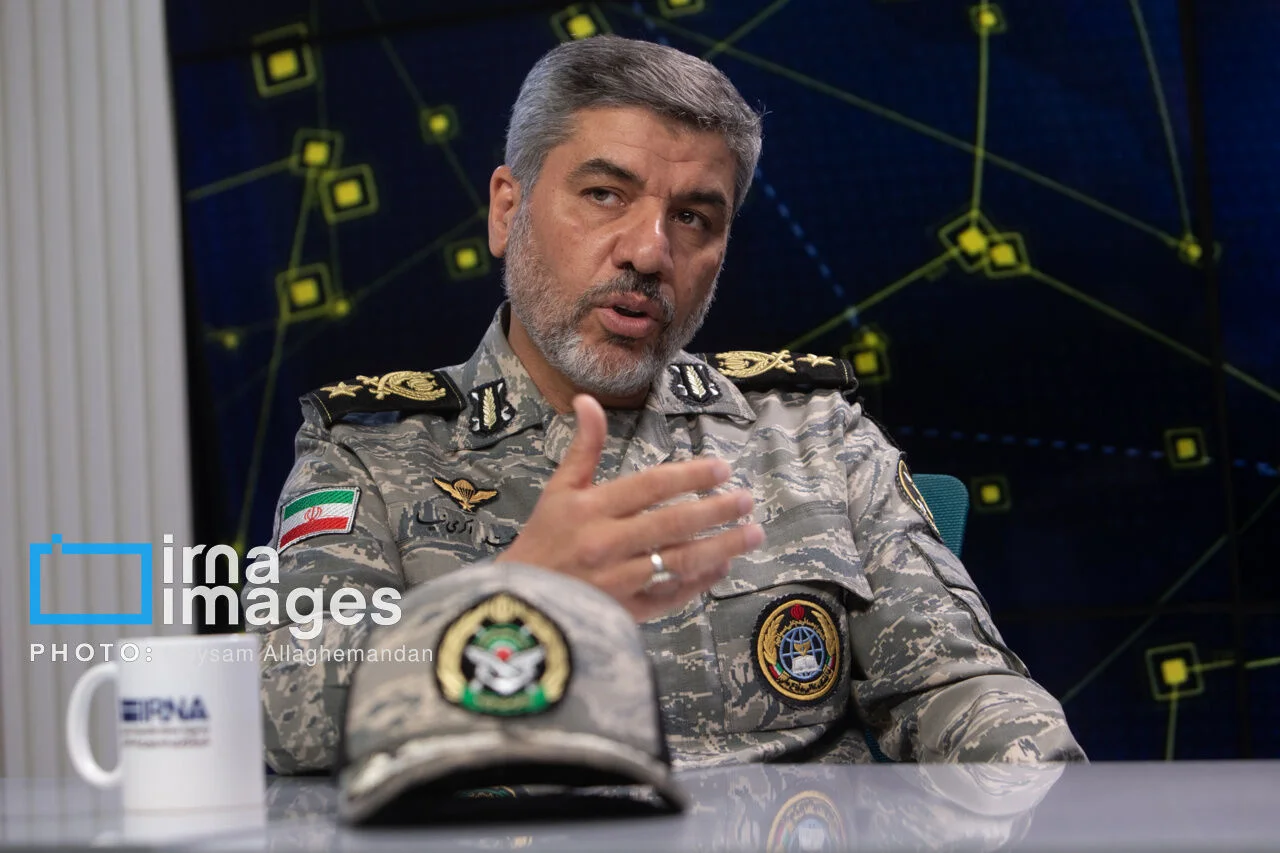
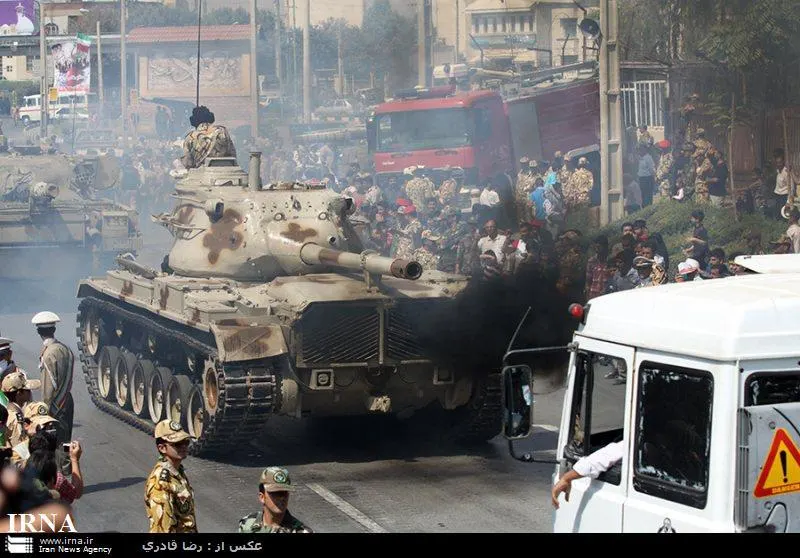
In a significant escalation of rhetoric, Brigadier General Mohammad Akraminia, a spokesperson for the Iranian Army, has declared that the nation possesses "surprising options" specifically designed to counter any future acts of aggression. This statement comes at a time of heightened regional friction, serving as a clear deterrent message to international adversaries. Akraminia emphasized that any miscalculation by enemies would lead to a response that far exceeds their strategic expectations, suggesting that Iran has developed undisclosed military capabilities or asymmetrical tactics that have not yet been deployed on the battlefield.
This military posture is not merely about hardware; it reflects a deep-seated strategic doctrine of active deterrence. By publicizing the existence of these "surprising options," the Iranian military high command is attempting to raise the cost of any potential intervention in the minds of foreign planners. For the average Iranian citizen, this rhetoric often translates into a complex mix of nationalistic pride and economic anxiety, as military tensions frequently correlate with volatility in the foreign exchange markets, although the Rial has remained relatively stable in the last 24 hours.
Pezeshkian: Diplomacy is for Rights, Not Surrender
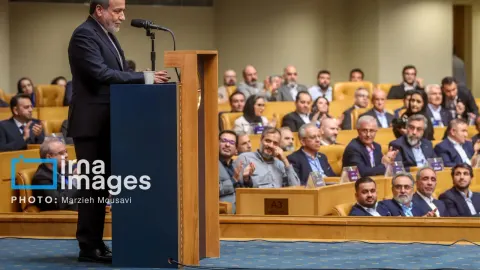
Complementing the military's hardline stance, President Masoud Pezeshkian has clarified the administration's approach to international dialogue. Speaking in Tehran, the President asserted that any ongoing or future negotiations are strictly aimed at securing the Iranian nation's fundamental rights and protecting national interests. He was firm in his stance that dialogue should never be misconstrued as a sign of weakness, surrender, or a retreat from the country's core principles. This dual-track approach—military readiness paired with conditional diplomacy—defines the current Iranian foreign policy landscape.
The President's comments are particularly relevant as the United States and Iran navigate a precarious diplomatic path involving sanctions relief, maritime security, and nuclear limits. Pezeshkian is essentially signaling to both domestic critics and foreign interlocutors that while Tehran is open to the table, the terms must respect Iranian sovereignty. This stance is crucial for maintaining internal political cohesion while trying to navigate the crippling effects of international sanctions that continue to weigh heavily on the Iranian economy and the purchasing power of its citizens.
UK Political Turmoil: Starmer Faces Leadership Ultimatum
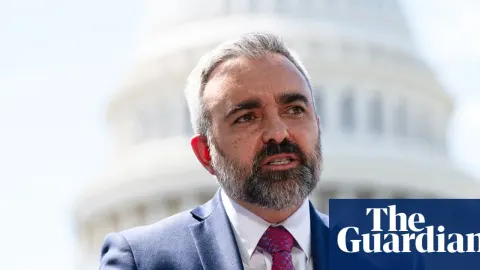
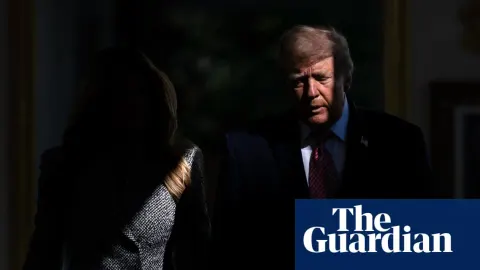
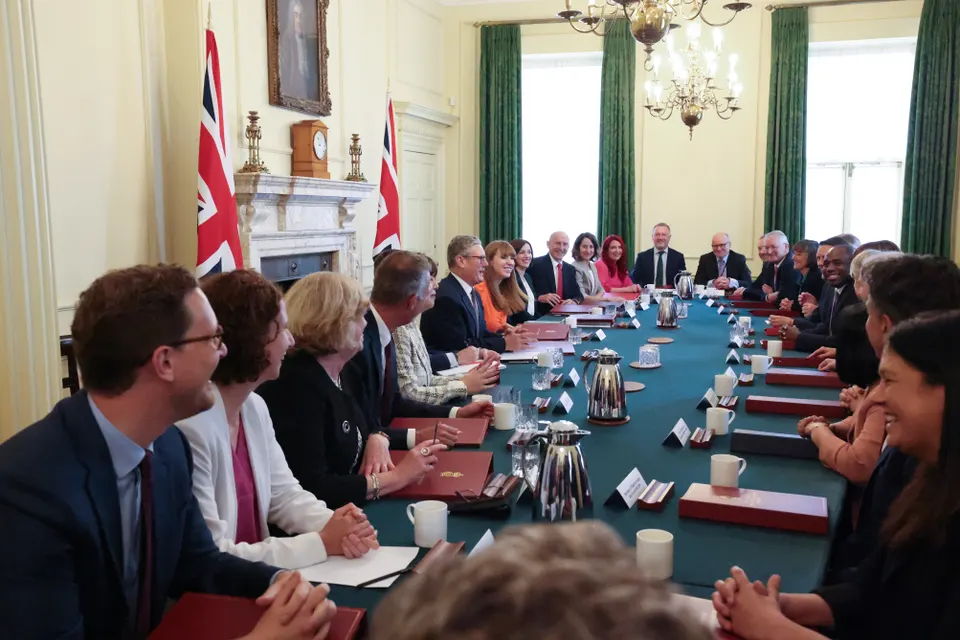
Across the globe, the United Kingdom is facing its own brand of instability as Prime Minister Keir Starmer’s leadership comes under direct fire. Labour MP Catherine West has issued a public ultimatum, challenging ministers to trigger a leadership contest as the Prime Minister vows to fight on despite growing internal dissent. This political fracture within the ruling party suggests a period of significant governance challenges for one of Iran's key European interlocutors. The internal strife is driven by disagreements over the country's direction and the difficult economic outlook for the next two and a half years.
For global markets, a leadership crisis in a G7 nation often leads to a flight to safety, though the impact on the British Pound has been moderated by broader global trends. Investors are closely watching whether a senior cabinet member will step forward to challenge Starmer, which could lead to a shift in the UK's foreign policy and trade priorities. Geopolitically, a distracted London may have less bandwidth to engage in Middle Eastern diplomatic initiatives, potentially leaving a vacuum in the ongoing negotiations regarding regional security and maritime trade routes.
Market Snapshot: USD and Gold Experience Slight Dips
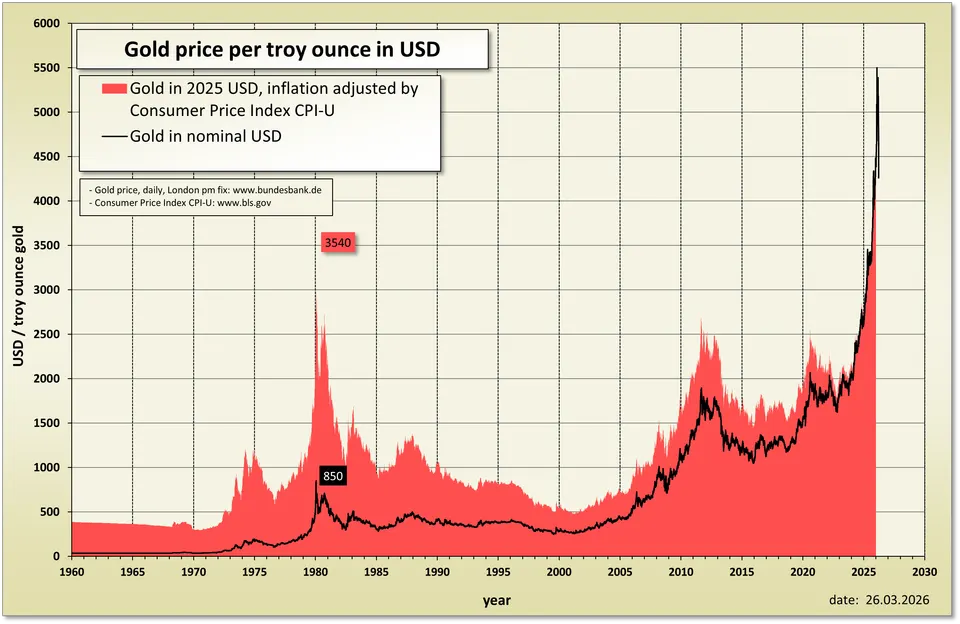
In the financial markets, the last 24 hours have seen a minor correction across major assets. In the Iranian domestic market, the USD/IRR exchange rate moved from 176,900 to 176,500 Toman, representing a slight decrease of 0.2%. Similarly, gold prices have cooled slightly, with 18k gold per gram dropping from 20,192,067 to 20,180,756 Toman (-0.1%). The Emami coin saw a more pronounced decline, falling from 195,500,000 to 194,000,000 Toman, a decrease of 0.8%. These movements suggest a temporary stabilization or profit-taking after recent upward trends.
In the cryptocurrency sector, Bitcoin (BTC) continues to hover around the $80,805 mark. While the asset remains strong, analysts warn of a potential dip toward $70,000 if U.S. inflation data comes in hotter than expected, which would likely pause any Federal Reserve rate-cut hopes. For Iranian investors, the relative stability of the USD and the slight dip in gold offer a moment of reflection. The market seems to be in a "wait and see" mode, balancing the aggressive rhetoric from the military with the diplomatic signals from the presidency, all while keeping a close eye on the volatile global crypto and energy markets.
Frequently Asked Questions
What does the Iranian Army mean by 'surprising options'?
Is the UK leadership challenge likely to affect the British Pound?
Why is the price of Emami coin dropping faster than the USD?
Understanding Geopolitical Risk
Geopolitical risk refers to the potential for political events, instability, or tensions in a specific region to have significant global economic and political consequences. These risks are not merely local; they can ripple across international borders, affecting financial markets, trade routes, energy prices, and even the stability of entire regions. When headlines highlight military readiness or diplomatic rejections, as seen with Iran, they are signaling a potential increase in such risk, prompting investors, businesses, and governments worldwide to assess their exposure.
Such risks often stem from a complex interplay of factors, including interstate conflicts, civil unrest, shifts in government policies, or military posturing. For instance, heightened military activity in a strategically vital region like the Middle East can disrupt oil supplies, impact shipping lanes, and trigger a flight to safe-haven assets. This interconnectedness means that a country's internal political dynamics or its external foreign policy can quickly become a concern for global markets, influencing everything from commodity prices like gold to currency exchange rates, such as the USD/IRR.
The economic implications of geopolitical risk are profound. Increased uncertainty typically leads to market volatility, with investors seeking stability in assets traditionally considered safe, like gold, or withdrawing capital from riskier ventures. Businesses may face disruptions in supply chains, higher insurance costs, or reduced demand for their products if global trade is affected. Furthermore, governments might re-evaluate their foreign policy alliances and defense spending in response to perceived threats, creating a domino effect that reshapes international relations and economic partnerships. Understanding geopolitical risk is crucial for navigating an increasingly interconnected world where regional events can quickly become global challenges.
Topics
Related Articles