US Intel Confirms Iran’s Arsenal Intact Amid Hormuz Tensions; USD Dips to 179,800
گزارش محرمانه آمریکا از پایداری توان موشکی ایران؛ کاهش جزئی نرخ دلار در بازار تهران
A classified US intelligence report reveals that 70% of Iran’s mobile missile launchers remain operational, contradicting earlier claims of a weakened arsenal. Meanwhile, the Iranian Toman saw a slight recovery as the USD fell 0.8% to 179,800.
At time of publishing
USD
179,800
Toman
Gold 18K
20.44M
Toman / gram
Bitcoin
$79,228
US Dollar
Tether
17,975
Toman
US Intel Contradicts Claims of Weakened Iranian Arsenal
In a revelation that has sent ripples through both diplomatic and military circles, a classified US intelligence assessment reported by The New York Times suggests that Iran’s missile capabilities remain substantially intact despite ongoing regional tensions. According to the report, approximately 70% of Iran’s mobile missile launchers and its pre-war missile stockpiles are still operational. Furthermore, Iranian forces have reportedly restored access to 30 out of 33 critical missile sites along the strategic Strait of Hormuz, a development that challenges the narrative of a significantly degraded military infrastructure.
This intelligence comes at a precarious time for the United States, as the report also highlights a depletion of critical American munitions stocks. The gap between Iranian resilience and the logistical strain on US defense supplies creates a complex strategic landscape for President Trump, who is currently in China. While the administration has maintained a hardline stance, threatening to decimate Iranian capabilities if a new deal is not reached, these intelligence findings suggest that any military resolution would face a much more robust defense than previously publicly acknowledged.
For the Iranian public and market observers, this report reinforces the perception of a long-term geopolitical stalemate. The stability of the military infrastructure often translates to a psychological floor for the national currency, as it signals a level of state resilience. However, the ongoing threat of escalation continues to keep the risk premium high, preventing any significant long-term appreciation of the Toman despite the day's minor gains.
Local Markets: USD and Gold See Minor Correction
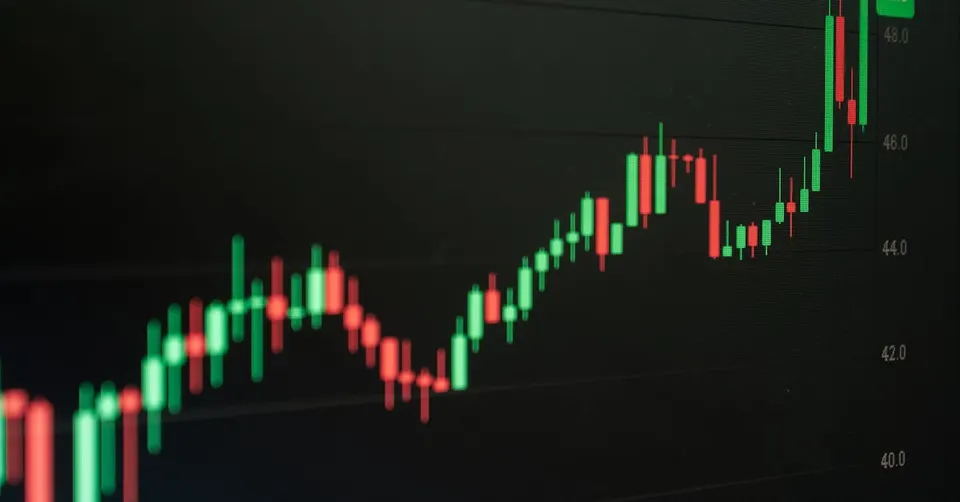
As of 19:00 Tehran time, the Iranian Toman has shown a slight strengthening against major foreign currencies. The US Dollar moved from 181,200 to 179,800 Toman, marking a decrease of 0.8% over the last 24 hours. This minor cooling of the exchange rate comes after a period of intense volatility, suggesting that the market may be pricing in the current diplomatic maneuvers in Beijing, where President Trump is meeting with Chinese leadership. Traders are closely watching these talks, as any shift in China’s stance on Iranian oil exports could immediately impact the flow of hard currency into the country.
Gold markets followed a similar downward trend, albeit more modestly. The price of 18-karat gold fell from 20,475,091 to 20,436,077 Toman per gram, a 0.2% decline. The Emami gold coin also experienced a slight dip, moving from 197,000,000 to 196,000,000 Toman (-0.5%). These movements indicate a cautious wait-and-see approach among local investors. While the global gold price remains exceptionally high at over $4,696 per ounce, the local price is currently being dictated more by the fluctuating Rial-Dollar rate than by international bullion trends.
Iran-Pakistan Pivot: A $10 Billion Trade Ambition
Amidst the pressure of Western sanctions, Tehran and Islamabad have taken a significant step toward deepening their economic ties. Officials from both nations have agreed to expand port and transit cooperation, setting an ambitious target of $10 billion in bilateral trade within the next few years. This move is seen as a strategic effort to bypass traditional maritime restrictions and utilize land-based and regional port corridors to sustain the Iranian economy. The focus on the Port of Gwadar and its connection to Iranian transit hubs could provide a vital lifeline for trade goods that are currently hampered by the naval presence in the Persian Gulf.
This economic pivot is not just about trade volume; it is about geopolitical survival. By integrating more closely with Pakistan, Iran aims to create a regional economic bloc that is less susceptible to unilateral US sanctions. For the average Iranian, this could eventually mean a more stable supply of essential goods and a potential reduction in the inflationary pressures caused by import bottlenecks. However, achieving the $10 billion target will require significant infrastructure investment and the resolution of long-standing security concerns along the border regions.
Global Volatility: Philippine Senate Lockdown and Semiconductor Risks
On the international stage, political instability has flared up in the Philippines. The national Senate was placed under lockdown after gunshots were fired during a standoff with Senator Ronald dela Rosa. The senator, who is wanted by the International Criminal Court (ICC) for his role in the controversial "war on drugs," has sought refuge within the building to evade arrest. This event underscores a growing trend of political leaders defying international legal bodies, contributing to a sense of global lawlessness that often drives investors toward safe-haven assets like gold and Bitcoin.
Meanwhile, in the financial markets, a new report from S&P highlights a growing structural risk: the unprecedented dominance of semiconductor stocks. Companies like Nvidia and Micron now hold more sway over the S&P 500 than at any other time in history, driven by the relentless AI boom. While this has powered recent market rallies, it creates a "single point of failure" risk. If the AI sector faces a regulatory or technological setback, the entire global equity market could see a sharp correction, which would inevitably spill over into the crypto and emerging market sectors, including Iran’s informal investment markets.
Frequently Asked Questions
What did the New York Times report about Iran's missile capabilities?
Why did the USD/IRR exchange rate drop today?
What is the significance of the Iran-Pakistan trade agreement?
What is happening at the Philippine Senate?
The Geopolitical and Economic Significance of the Strait of Hormuz
The Strait of Hormuz, a narrow waterway connecting the Persian Gulf to the Arabian Sea and the open ocean, is arguably the world's most critical oil chokepoint. Stretching approximately 34 miles (55 kilometers) at its narrowest point, with shipping lanes just two miles wide in each direction, this strategic passage is indispensable for global energy markets. Its unique geographical position makes it a constant focal point for international diplomacy, military strategy, and economic concerns, particularly given the political dynamics of the surrounding region.
Economically, the Strait's importance cannot be overstated. Roughly one-fifth of the world's total petroleum consumption, and a significant portion of its liquefied natural gas (LNG), passes through this strait daily. Countries like Saudi Arabia, Iran, Iraq, Kuwait, Qatar, and the UAE rely on it to export their vast hydrocarbon resources to markets across Asia, Europe, and North America. Any disruption, even a perceived threat of one, can immediately send global oil prices soaring, impacting everything from transportation costs to manufacturing expenses worldwide.
Geopolitically, the Strait of Hormuz is a perpetual flashpoint. Iran, bordering the northern side of the strait, has historically threatened to close it in response to international sanctions or military provocations. Such a closure would have catastrophic consequences for the global economy, potentially triggering a worldwide energy crisis. The presence of international naval forces, including the U.S. Fifth Fleet, underscores the global commitment to keeping the strait open and secure, highlighting the delicate balance of power and the constant potential for escalation in the region.
The tensions surrounding the Strait directly influence financial markets and national economies. When headlines report increased tensions or threats to shipping, investors often react by moving towards safer assets like gold, while currencies of oil-importing nations might weaken, and those of oil-exporting nations could face volatility due to uncertainty in their primary revenue stream. The recent dip in the USD/IRR exchange rate, mentioned in the headline, can be seen as an indicator of how geopolitical events, even if indirectly related to the Strait, can ripple through a nation's economy and currency stability.
Understanding the Strait of Hormuz is therefore crucial for comprehending global energy security, international relations, and the intricate ways in which geopolitics can directly impact economic stability and financial markets worldwide. Its status as a vital chokepoint ensures it will remain a subject of intense scrutiny and strategic importance for the foreseeable future.
Topics
Related Articles