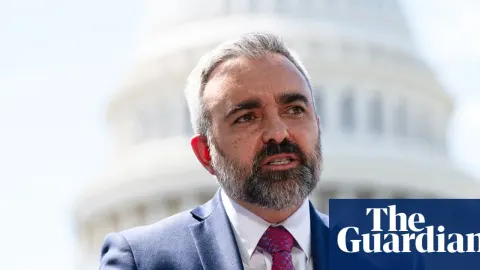
Trump Lands in Beijing: High-Stakes Xi Summit Amid Iran War and Global Market Shifts
سفر ترامپ به پکن؛ نشست سرنوشتساز با شی جینپینگ در سایه جنگ ایران و نوسانات بازار
President Trump arrives in Beijing for a critical summit with Xi Jinping, aiming to stabilize the Strait of Hormuz as global travel giants report a 10% slump in sales due to Middle East tensions. Meanwhile, the Iranian Toman shows signs of cautious recovery, dropping 0.8% against the dollar.
At time of publishing
USD
179,800
Toman
Gold 18K
20.43M
Toman / gram
Bitcoin
$80,604
US Dollar
Tether
17,951.6
Toman
The Beijing Summit: Trump’s High-Stakes Gambit
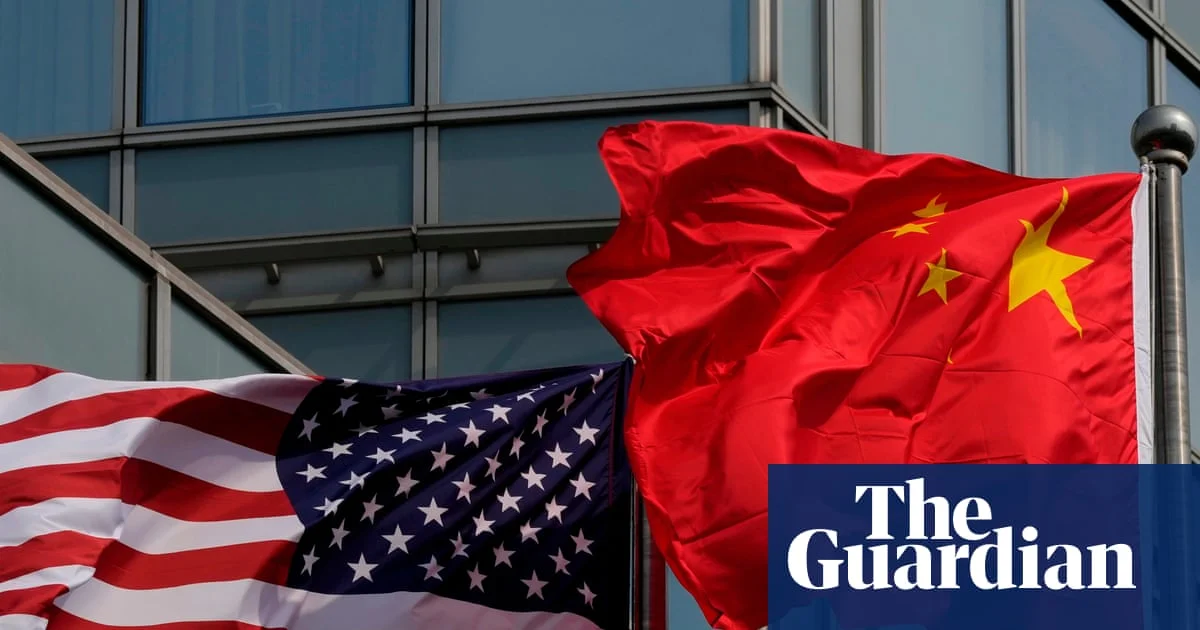
President Donald Trump has arrived in Beijing for a high-stakes summit with Chinese President Xi Jinping, marking his first visit to the Chinese capital in nearly a decade. The primary objective of this meeting is to address the ongoing conflict in the Middle East, which has severely disrupted global trade routes. US officials have spent weeks pressuring Beijing to use its significant economic leverage over Tehran to reopen the Strait of Hormuz and accept a lasting ceasefire. The geopolitical tension has entered its third month, and the shadow of the 'Iran war' is looming large over these diplomatic discussions, as both nations attempt to maintain a fragile tariff truce while navigating the complexities of energy security and regional stability.
For the Iranian market, this summit is a double-edged sword. On one hand, any diplomatic breakthrough could lead to a significant easing of sanctions pressure and a reopening of vital shipping lanes. On the other, the risk of failure could see a return to aggressive trade wars and increased isolation. This morning, the USD/IRR exchange rate showed a cautious reaction to the news, moving from 181,200 to 179,800 Toman, a decrease of 0.8%. This minor cooling suggests that local traders are adopting a "wait-and-see" approach, hoping that the Beijing talks might provide a path toward de-escalation. However, with gold prices also seeing a slight dip—18k gold fell from 20,475,091 to 20,432,383 Toman (-0.2%)—it is clear that capital is remaining liquid and hesitant until the outcome of the Trump-Xi meeting is clearer.

Global Travel Slump and the Cost of Conflict
The economic consequences of the regional instability are now being felt far beyond the borders of the Middle East. Tui, one of the world's largest travel operators, reported a 10% drop in summer sales, attributing the decline directly to cautious UK customers who are delaying holiday bookings due to concerns over the war in Iran. This trend is exacerbated by rising jet fuel prices, which are being passed on to consumers through higher airfares. The Airports Council International has warned that summer travel could be disrupted for millions as airlines cancel unprofitable routes and struggle with the surge in fuel costs resulting from the Middle East crisis.
This slump in the travel sector highlights a broader economic reality: geopolitical risk is no longer just a headline; it is a direct tax on global consumption. As consumers in Europe and Asia pull back on discretionary spending, the ripple effects are felt in energy markets and beyond. While Japan has managed to boost its refinery utilization to 73.3% by tapping into strategic reserves and non-Middle Eastern crude, the overall global energy landscape remains incredibly tight. For the average Iranian citizen, these global shifts mean that even if the local currency stabilizes, the cost of imported goods and international services is likely to remain high due to these systemic global inflationary pressures.
Tech & AI: The Silicon Arms Race Continues
Despite the geopolitical turmoil, the technology sector continues to push forward at a breakneck pace, particularly in the realm of Artificial Intelligence. Applied Materials (AMAT) is deepening its role in AI chip manufacturing, positioning itself as a cornerstone of the next industrial revolution. This development comes at a time when data centers are now consuming a staggering 6% of the total electricity supply in the UK and the US. Research indicates that energy consumption driven by AI has risen by 15% globally in just two years, with annual investments in data centers approaching $1 trillion—nearly 1% of the global economy.
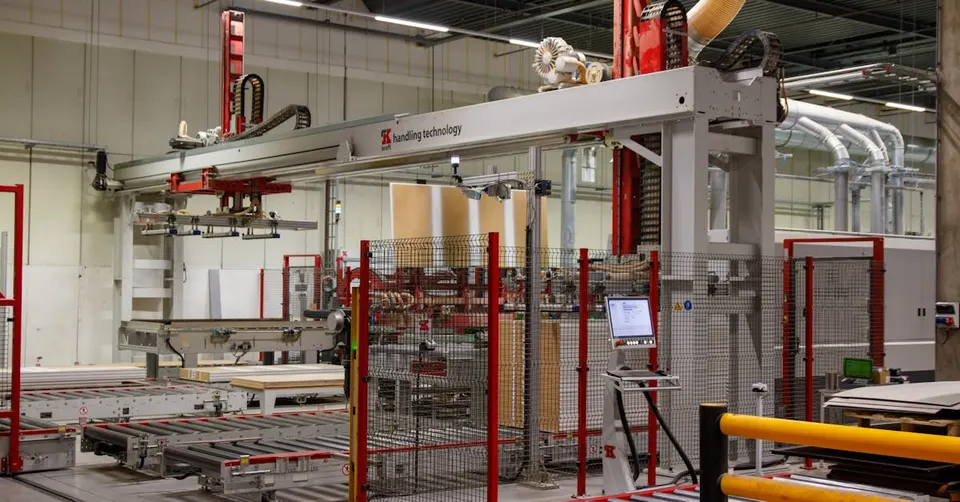
This massive investment in AI infrastructure is not just a corporate trend but a strategic necessity. As nations like Vietnam prepare to launch regulated cryptocurrency markets in late 2026 to capture digital asset demand, the underlying hardware and energy infrastructure become the ultimate prizes. For investors, the takeaway is clear: while traditional markets like travel and retail are suffering from geopolitical headwinds, the structural shift toward AI and high-performance computing remains resilient. However, the environmental and social backlash against the energy demands of these data centers is growing, suggesting that the next phase of tech growth will be defined as much by energy efficiency as by raw processing power.
Political Instability in the West: The UK Leadership Crisis
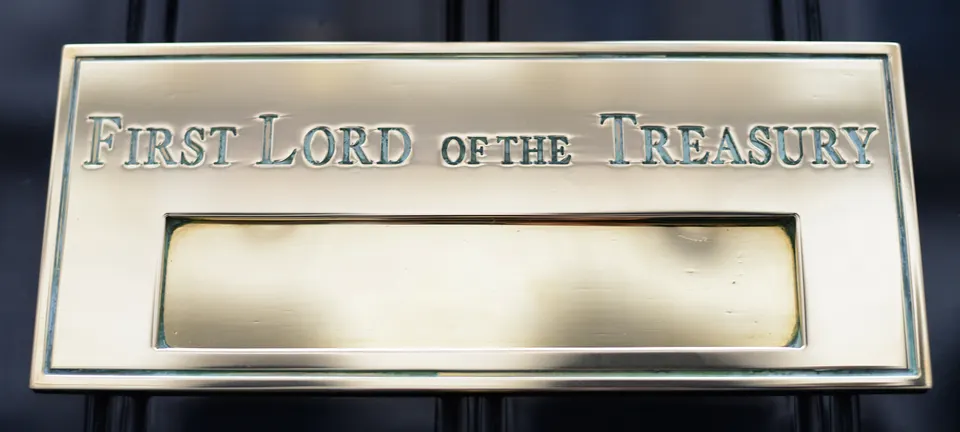
Adding to the global uncertainty is a brewing political crisis in the United Kingdom. Health Secretary Wes Streeting is reportedly preparing to resign and launch a leadership challenge against Prime Minister Keir Starmer as early as tomorrow. This internal Labour Party struggle comes at a critical time as the UK attempts to navigate its role in the Middle East conflict and manage a sluggish domestic economy. The potential for a leadership change in a major G7 nation adds another layer of volatility to global markets, as investors worry about shifts in foreign policy and economic strategy.
For regional observers, political instability in London or Washington often correlates with inconsistent policy toward the Middle East. If the UK government enters a period of paralysis, the diplomatic efforts to secure a lasting settlement in the Strait of Hormuz could lose momentum. This political friction, combined with the Brazilian government's recent efforts to demarcate indigenous lands like the Pardo River Kawahiva territory after a 27-year wait, demonstrates that domestic pressures—whether they be leadership challenges or environmental justice—are increasingly competing for the attention of global leaders who are already stretched thin by international crises.
Watch
Trump set to meet with Xi in Beijing as war and inflation weigh on his presidency • FRANCE 24
FRANCE 24 English
Frequently Asked Questions
Why did the USD/IRR price drop during Trump's visit to China?
How is the conflict in the Middle East affecting global travel prices?
What is the significance of Applied Materials (AMAT) in the current market?
The Strait of Hormuz: Global Energy's Vital Chokepoint
Geopolitical chokepoints are narrow maritime passages that are strategically critical for global trade, particularly for the transit of energy resources. Their limited width and strategic location mean that any disruption, whether due to conflict, piracy, or political instability, can have disproportionately large global economic consequences. These chokepoints are not just geographical features; they are crucial arteries in the global economy, making their security a paramount concern for nations worldwide. Understanding their role is key to grasping how seemingly regional conflicts can ripple across continents.
Among these vital passages, the Strait of Hormuz stands out as arguably the most critical. Located between the Persian Gulf and the Arabian Sea, it is the sole sea passage from the Persian Gulf to the open ocean. This narrow stretch of water is bordered by Iran to the north and Oman's Musandam Governorate to the south. Crucially, it serves as the transit point for approximately 20-30% of the world's total petroleum liquids consumption and a significant portion of its liquefied natural gas (LNG). Major oil producers like Saudi Arabia, Iran, UAE, Kuwait, and Iraq rely on this strait to export their vast energy reserves to global markets.
The immense volume of oil and gas passing through the Strait of Hormuz makes it an incredibly sensitive geopolitical flashpoint. Any threat or disruption to shipping in this strait, whether from military conflict, blockades, or even heightened tensions, can trigger immediate and severe reactions in global energy markets. Oil prices can skyrocket, supply chains can be thrown into disarray, and the stability of economies reliant on these energy imports can be jeopardized. The mere prospect of an "Iran war economic impact" or a "Strait of Hormuz crisis" is enough to inject significant uncertainty into global markets, affecting everything from currency exchange rates like the USD/IRR to consumer confidence and investment decisions worldwide.
Securing the Strait of Hormuz and other global chokepoints is therefore a constant focus of international diplomacy and military strategy. Nations with significant economic interests in global trade and energy security often engage in naval patrols and diplomatic efforts to ensure the free flow of goods. The strategic importance of these chokepoints underscores the interconnectedness of the global economy, where localized tensions can rapidly escalate into international crises with far-reaching economic and political ramifications.
Topics
Related Articles