Defiant Resistance and Diesel Droughts: Hezbollah Vows Persistence as Global Fuel Crisis Looms
خط و نشان حزبالله برای اسرائیل همزمان با بحران جهانی سوخت؛ نوسان اندک در بازار ارز تهران
Hezbollah’s leader reaffirms ties with Tehran as regional tensions simmer, while a critical global shortage of diesel threatens to reshape international trade and military logistics.
At time of publishing
USD
179,800
Toman
Gold 18K
20.47M
Toman / gram
Bitcoin
$79,058
US Dollar
Tether
17,989.7
Toman
Hezbollah Reaffirms Resistance Amid Regional Friction
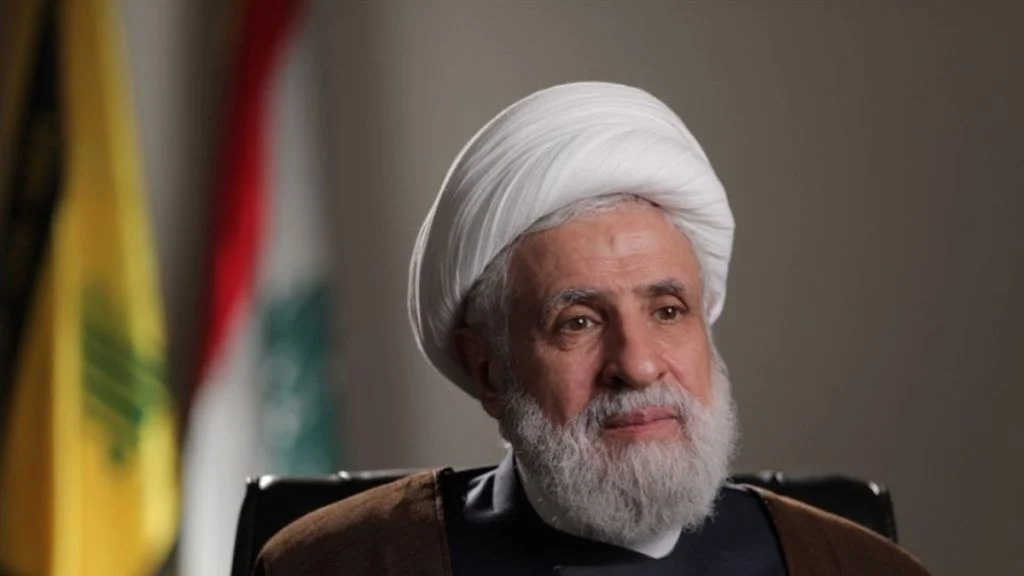
In a televised address that resonated across the Middle East, Hezbollah Secretary-General Sheikh Naim Qassem has once again underscored the group's unwavering commitment to the "resistance axis." Hailing the continuous support from the Islamic Republic of Iran, Qassem vowed that the Lebanese movement would neither surrender to Israeli military pressure nor allow the occupying regime to achieve its strategic objectives in Lebanon. This rhetoric comes at a time when the region remains on a knife-edge, with diplomatic efforts often overshadowed by the drumbeat of potential escalation.
For the Iranian domestic market, this development serves as a double-edged sword. While the political establishment views the resilience of Hezbollah as a strategic win, the financial markets remain sensitive to any sign of direct conflict escalation. However, in a surprising turn of calm, the USD/IRR rate moved from 181,200 to 179,800, a decrease of 0.8% over the last 24 hours. This suggests that the market may have already "priced in" the current level of regional rhetoric, or perhaps traders are waiting for more concrete shifts in the US-China summit before making their next move.

Beyond the immediate military concerns, the alignment between Tehran and its regional allies continues to influence investor sentiment. As long as the conflict remains within certain "red lines," the Iranian Toman appears to be finding a temporary floor around the 180,000 mark. Gold prices followed a similar path of stabilization, with the Emami coin moving from 197,000,000 to 196,000,000 (-0.5%), reflecting a cautious but not panicked public. The broader implication is that while the geopolitical heat is high, the economic panic that characterized earlier months has transitioned into a state of weary vigilance.
The Looming Diesel Crisis and Global Trade Realities
A burgeoning fuel shortage is quietly becoming the most significant threat to global trade and military operations. Reports indicate that the world is hitting critical resource limits for distillate fuel oils—specifically diesel and jet fuel. This is not merely a pricing issue; it is a structural supply problem that predates the current regional conflicts but has been severely exacerbated by them. As summer approaches, the logistical challenge of supplying ground troops and maintaining international shipping lanes is becoming increasingly complex, with diesel acting as the lifeblood of the global industrial machine.
For Iran, as a major oil producer, this global shortage presents a complex economic landscape. While high demand for energy products generally supports oil prices, the systemic limits on refined products can lead to broader global inflation, which eventually filters back into the Iranian economy through more expensive imports. The current "war inflation" is no longer just a buzzword; it is a tangible reality reflected in the US PPI inflation hitting its highest levels since 2022. This global inflationary pressure is one reason why Bitcoin has struggled to maintain its $80,000 level, currently trading at 79,058 USD as investors weigh the risks of a stagflationary environment.
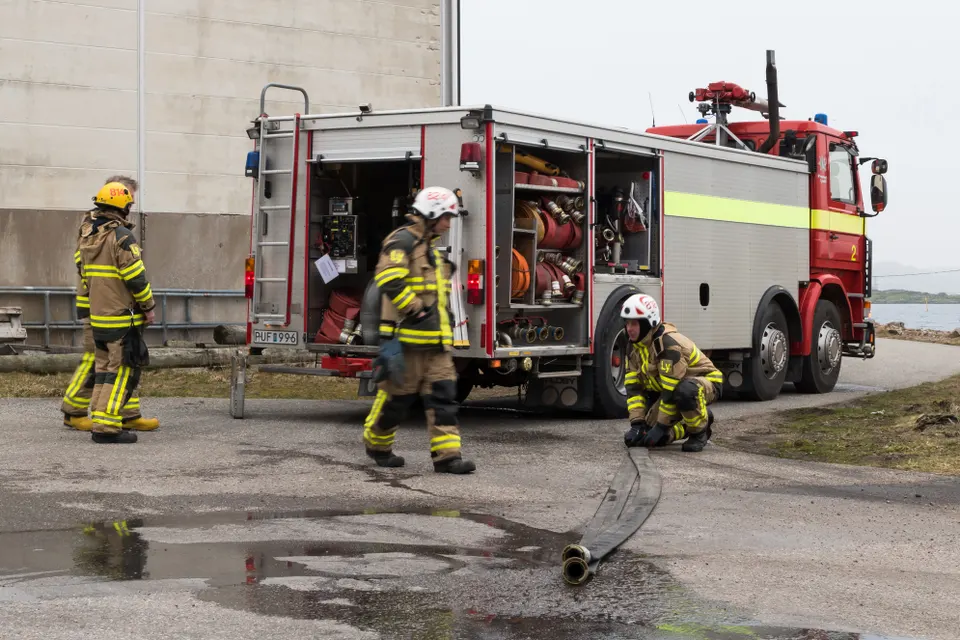
What this means for the average reader is a period of sustained high costs for transportation and logistics. Even if crude oil prices remain somewhat stable, the lack of refining capacity for diesel means that the "cost of doing business" globally is rising. This creates a ceiling for how much the Iranian Toman can recover, even in periods of relative political calm. If the global economy cannot find a way to solve the distillate shortage, we could see a fundamental reshaping of trade routes, where shorter, more secure supply chains become the priority over the globalized efficiency of the past decade.
Tech Titans and Geopolitical Gambles in Beijing
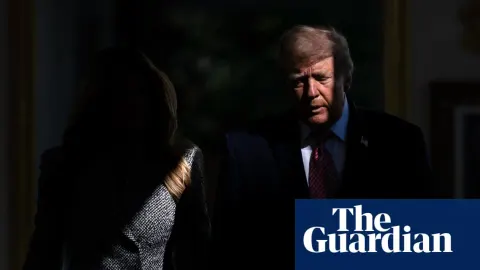
As President Trump continues his high-stakes visit to Beijing, the presence of major tech CEOs on Air Force One—including Nvidia’s Jensen Huang—has sent a clear signal to the markets. Traders are interpreting this as a potential thaw in semiconductor export restrictions, hoping for a deal that allows US tech giants to regain access to the massive Chinese market. However, this optimism is being tempered by news of a massive ransomware attack on Foxconn, a critical manufacturer for Apple, Google, and Nvidia. The breach highlights the extreme vulnerability of the global tech supply chain to non-state actors and state-sponsored cyber warfare.
Despite these risks, the narrative of an "Industrial Boom" is gaining traction among some analysts. With a shift back toward domestic manufacturing in both the US and China, materials stocks are being touted as the next big play. This "re-industrialization" requires vast amounts of copper, steel, and lithium, creating a potential windfall for countries and companies positioned in the materials sector. For Iranian investors, this global shift toward hard assets and industrial materials is a trend worth watching, as it often precedes a move away from pure digital or speculative assets like certain cryptocurrencies.

Ultimately, the intersection of AI development, semiconductor trade, and cyber security will define the next phase of the global economy. If Trump secures a deal that stabilizes the chip market, we could see a surge in global productivity. Conversely, if cyber-attacks like the Foxconn breach become more frequent, the resulting supply chain disruptions will keep inflation high and markets volatile. For now, the world watches Beijing, where the future of the 21st-century economy is being negotiated behind closed doors, while the sound of gunshots in the Philippines Senate reminds us that political stability remains a fragile luxury in many parts of the world.
Sarkozy and the Shadow of Libyan Financing
In a historic legal development in Paris, prosecutors have demanded a seven-year prison sentence for former French President Nicolas Sarkozy. The case, which involves allegations of illegal campaign financing from the late Muammar Gaddafi’s Libyan regime in 2007, has reached a critical appeal stage. Sarkozy, who has already experienced a brief stint in jail before his release pending this appeal, continues to deny all charges. This case is not just about one man; it represents a broader reckoning for how Western leaders interacted with Middle Eastern regimes during the early 2000s.
The implications of this trial reach far into the realm of international diplomacy and the ethics of political funding. It serves as a stark reminder of the often-murky intersections between European politics and North African oil wealth. For observers in the Middle East, the trial is seen as a rare instance of a high-ranking Western leader being held accountable for his dealings with regional autocrats. While it may not have an immediate impact on the price of the Toman or Gold, it contributes to a general sense of institutional instability in the West, which can indirectly influence global risk appetite and the long-term strength of the Euro.
Frequently Asked Questions
Why is the USD/IRR rate dropping despite high regional tension?
What does the global diesel shortage mean for the Iranian economy?
How does the Foxconn hack affect global tech markets?
The Far-Reaching Impact of Economic Sanctions
Economic sanctions are a powerful tool in international relations, wielded by countries or international bodies to pressure other nations, entities, or individuals into changing their behavior. These measures typically involve restricting trade, financial transactions, and access to technologies or resources. The goal can range from deterring nuclear proliferation to combating terrorism or promoting human rights, but the common thread is to inflict economic pain sufficient to achieve a political objective without resorting to military force.
The mechanisms of sanctions are varied. They can target specific sectors, such as a country's oil exports, financial institutions, or access to critical goods. For example, restrictions on a nation's ability to sell its primary commodities on the global market directly impact its foreign currency earnings. Similarly, blocking access to international banking systems makes it incredibly difficult for businesses and governments to conduct legitimate trade, procure essential imports like fuel or medicine, or even manage their existing assets abroad.
The consequences for a targeted economy can be profound and far-reaching. A common outcome is severe currency depreciation, as seen with the USD/IRR price in Iran, where the national currency loses significant value against major international currencies. This fuels rampant inflation, making imported goods exorbitantly expensive and eroding the purchasing power of ordinary citizens. Shortages of essential commodities, such as diesel fuel, become commonplace as import channels are disrupted and domestic production struggles without access to foreign parts or technology.
In the face of such pressures, targeted entities and nations often seek ways to circumvent sanctions, sometimes through illicit trade networks, bartering systems, or by fostering closer ties with non-sanctioning countries. Groups like Hezbollah, operating within regions heavily impacted by sanctions, may find their operational capabilities challenged but also adapt by developing alternative supply chains or relying on state sponsors who are themselves adept at navigating these restrictions. These economic pressures often lead to social unrest and can significantly impact the daily lives of the populace.
Understanding economic sanctions is crucial for grasping the complex interplay between geopolitics, national economies, and the daily struggles of people caught in the crossfire of international policy.
Topics
Related Articles