Modi Orders Indian Austerity as Iran War Drags; Gold Coins Surge Amid Regional Drone Tensions
فرمان ریاضت اقتصادی مودی با تداوم جنگ ایران؛ جهش قیمت سکه همزمان با سرنگونی پهپاد در جنوب غرب
India implements work-from-home mandates to save fuel as the Middle East conflict persists, while Iranian domestic gold prices jump following a drone interception in the southwest.
At time of publishing
USD
177,000
Toman
Gold 18K
20.01M
Toman / gram
Bitcoin
$80,945
US Dollar
Tether
17,955.4
Toman
India Signals Long-Term War Footing with WFH Mandates
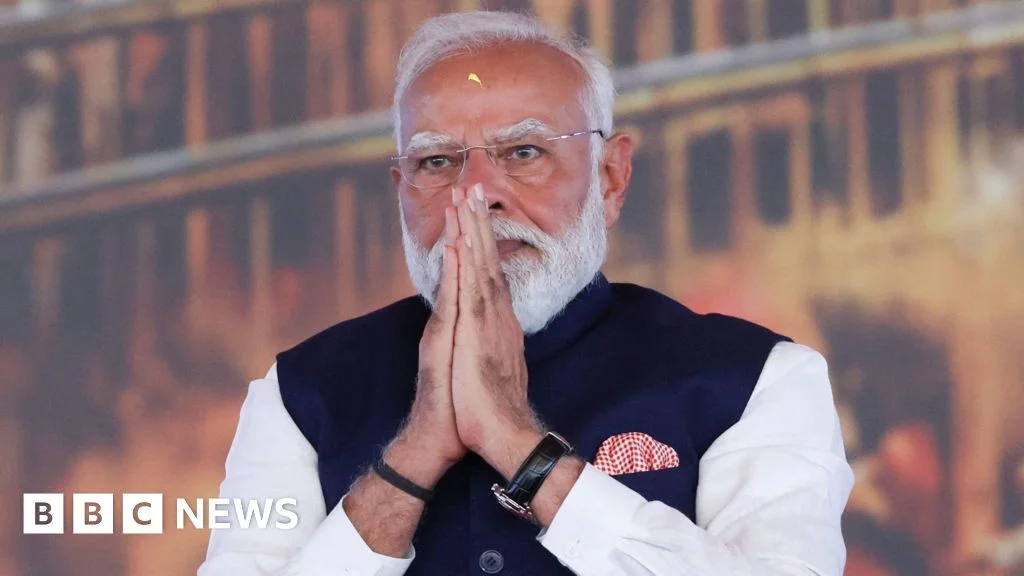
In a move that underscores the global economic ripples of the ongoing conflict in the Middle East, Indian Prime Minister Narendra Modi has urged citizens to adopt austerity measures, including working from home and limiting foreign travel. This directive is not merely a suggestion but a strategic attempt to reduce India's national fuel consumption and preserve its foreign exchange reserves, which are being strained by the volatility in energy markets. By pivoting to a remote-work model for large sectors of the economy, New Delhi is signaling that it expects the disruption in the Persian Gulf to last much longer than initially anticipated.
For Iranian observers, this shift in India’s domestic policy is a critical indicator of regional trade health. India has historically been one of the largest consumers of Iranian energy and a key trading partner. As India tightens its belt, the demand side of the energy equation faces new pressures, potentially complicating Tehran’s efforts to maintain stable export revenues. This 'war footing' in the world’s most populous nation suggests that the diplomatic path to normalization is currently viewed as narrow by major global powers.

---
Domestic Markets React to Military Tensions and Drone Interceptions
The Iranian domestic market remains on edge as the Islamic Republic of Iran Army announced the downing of an intruding reconnaissance drone in the country’s southwest. While the source of the drone was not immediately specified, the incident has localized the sense of risk, particularly in the oil-rich regions near the border. This military activity has had a visible impact on local asset prices, specifically within the gold and coin markets, which often serve as the primary barometer for public anxiety during periods of geopolitical friction.
In the last 24 hours, the price of the Emami coin rose from 194,500,000 to 198,000,000 Toman, marking a significant 1.8% increase. Interestingly, this surge in gold outpaced the movement in the currency market, where the USD sell rate only saw a marginal 0.1% uptick, moving from 176,800 to 177,000 Toman. This divergence suggests that while the central bank may be successfully managing the exchange rate for now, investors are shifting liquidity into physical gold as a hedge against potential military escalation and the resulting supply shocks.
---
Global Cost of Living Crisis and the Bitcoin War Hedge
The economic fallout is not limited to the region, as a new report from the UK highlights a sharp decline in consumer confidence. British households are bracing for a renewed cost-of-living crisis, with the Middle East conflict cited as a primary driver of inflation and economic uncertainty. This global sentiment of 'persistent inflation' has given rise to new market strategies, such as the so-called 'NACHO' trade on Wall Street—a bet on higher oil prices and lasting inflationary pressures. As traditional markets struggle with these headwinds, the Federal Reserve's battle to maintain independence and control prices appears increasingly difficult.
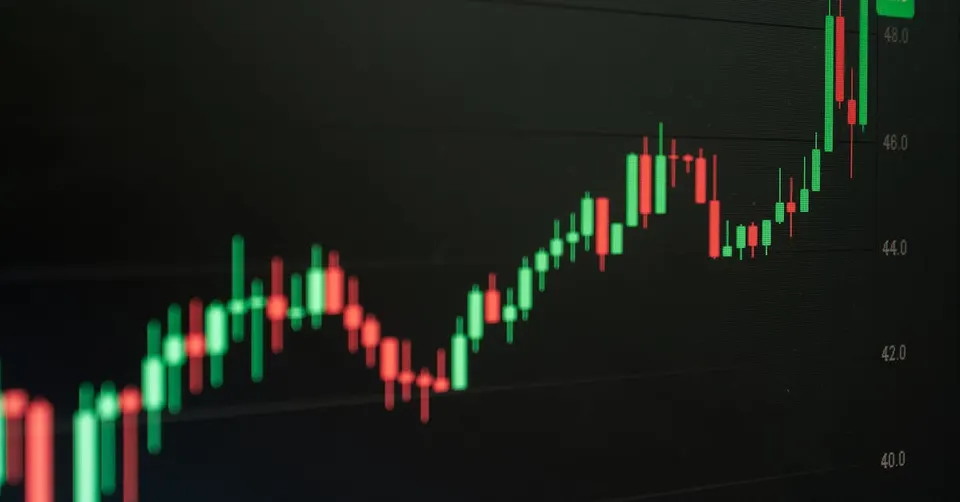
Amidst this macro instability, Bitcoin has managed to steady itself near the $81,000 mark. Despite President Trump’s recent rejection of an Iran peace proposal as 'totally unacceptable,' which initially sent ripples of risk through the markets, BTC has shown resilience. The cryptocurrency is increasingly being viewed through two lenses: as a beneficiary of potential US regulatory clarity and as a digital alternative for those seeking to move capital outside of traditional systems impacted by the war. With nearly 75% of the global hashrate now backing new open standards for block construction, the network's technical infrastructure is strengthening even as geopolitical foundations tremble.
---
Macron’s Pivot to Africa Amidst Global Realignment
While the world's eyes are fixed on the Middle East, French President Emmanuel Macron is attempting to reshape France's geopolitical influence through the 'Africa Forward' summit in Kenya. This marks a significant shift, as the summit is being held for the first time in an Anglophone country, signaling a move away from France's traditional focus on its former colonies. Macron’s meeting with hundreds of young entrepreneurs is an attempt to build a new 'soft power' bridge that bypasses the old colonial frameworks which have recently come under fire in West Africa.
This diplomatic maneuver is relevant to the broader global context because it highlights the search for new economic frontiers and alliances as traditional trade routes in the Middle East become increasingly hazardous. As the 'Great British Railways' prepares to launch its first newly branded station in Cambridge and Europe deals with its own internal logistics challenges, the global scramble for influence in Africa represents a long-term strategic play. For Iran and its neighbors, these shifts indicate that global powers are diversifying their dependencies, which could have long-term consequences for regional investment and diplomatic leverage.
Frequently Asked Questions
Why is India ordering work-from-home measures due to the Iran war?
Why did Emami coin prices rise faster than the USD/IRR exchange rate today?
What is the 'NACHO' trade mentioned in market reports?
How is Bitcoin reacting to Trump's rejection of the Iran peace proposal?
Austerity Measures: What They Are and How They Impact an Economy
Austerity refers to a set of fiscal policies aimed at reducing government deficits through spending cuts, tax hikes, or a combination of both. While the term often carries political connotations, its economic purpose is to restore fiscal balance and reassure investors that a country can meet its debt obligations. In practice, austerity can involve trimming public sector wages, cutting subsidies (such as fuel subsidies in India), or scaling back social programs.
The macroeconomic effects of austerity are mixed. Proponents argue that lower deficits lower borrowing costs and improve long‑term growth prospects. Critics, however, point to short‑term contractions in demand, higher unemployment, and social unrest, as seen during the Greek debt crisis of the early 2010s. The timing and composition of cuts matter: spending reductions that target productive investment can hamper growth, whereas cutting inefficient subsidies may boost efficiency without severe fallout.
India’s recent decision to tighten fuel subsidies under Prime Minister Narendra Modi illustrates a classic austerity move. By reducing the gap between market fuel prices and the price paid by consumers, the government hopes to curb its fiscal deficit, which has swelled amid global inflation pressures and geopolitical tensions. Yet the policy also risks higher transport costs, which can ripple through food and goods prices, potentially stoking inflationary pressures at a time when many households are already feeling the squeeze.
Austerity is not a one‑size‑fits‑all solution. The International Monetary Fund (IMF) stresses that fiscal consolidation should be gradual, targeted, and accompanied by measures that protect the most vulnerable. In economies facing external shocks—such as the ongoing Iran‑related drone tensions and volatile oil markets—policymakers must balance fiscal prudence with the need to sustain aggregate demand and social stability.
Topics
Related Articles