Trump Rejects Iran Peace Bid; USD Hits 181,500 as Regional War Tensions Escalate
رد پیشنهاد صلح ایران توسط ترامپ؛ جهش دلار به ۱۸۱,۵۰۰ تومان در پی بنبست دیپلماتیک
Diplomacy hits a dead end as the US President dismisses Tehran's 'reasonable' demands, sparking a sharp 2.7% rise in the dollar. Meanwhile, global travel and military stockpiles show the growing strain of the ongoing conflict.
At time of publishing
USD
181,500
Toman
Gold 18K
20.53M
Toman / gram
Bitcoin
$80,649
US Dollar
Tether
18,108.7
Toman
Trump Rejects Tehran’s ‘Reasonable’ Demands as Peace Hopes Falter
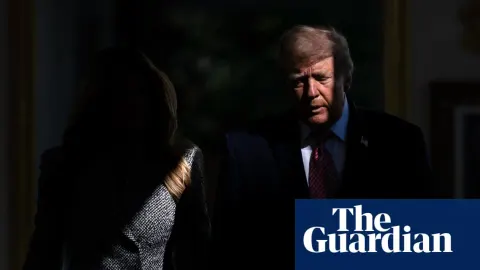
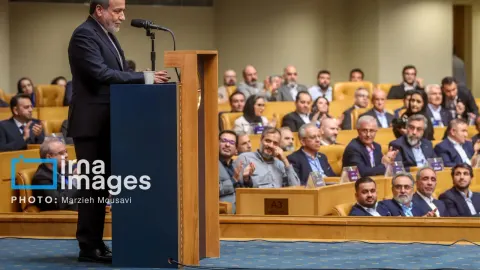
The diplomatic efforts to de-escalate the ongoing Middle East conflict hit a significant roadblock today as US President Donald Trump officially rejected Iran’s response to a proposed peace plan. Speaking from Washington, Trump characterized the Iranian counter-proposal as "totally unacceptable," a move that has immediately heightened fears of a further military escalation in the region. The Iranian Foreign Ministry, represented by spokesperson Esmaeil Baghaei, had previously described their demands as "reasonable and responsible," focusing on the lifting of the US blockade, the cessation of what they termed "maritime piracy," and the immediate release of frozen Iranian assets held in international banks.
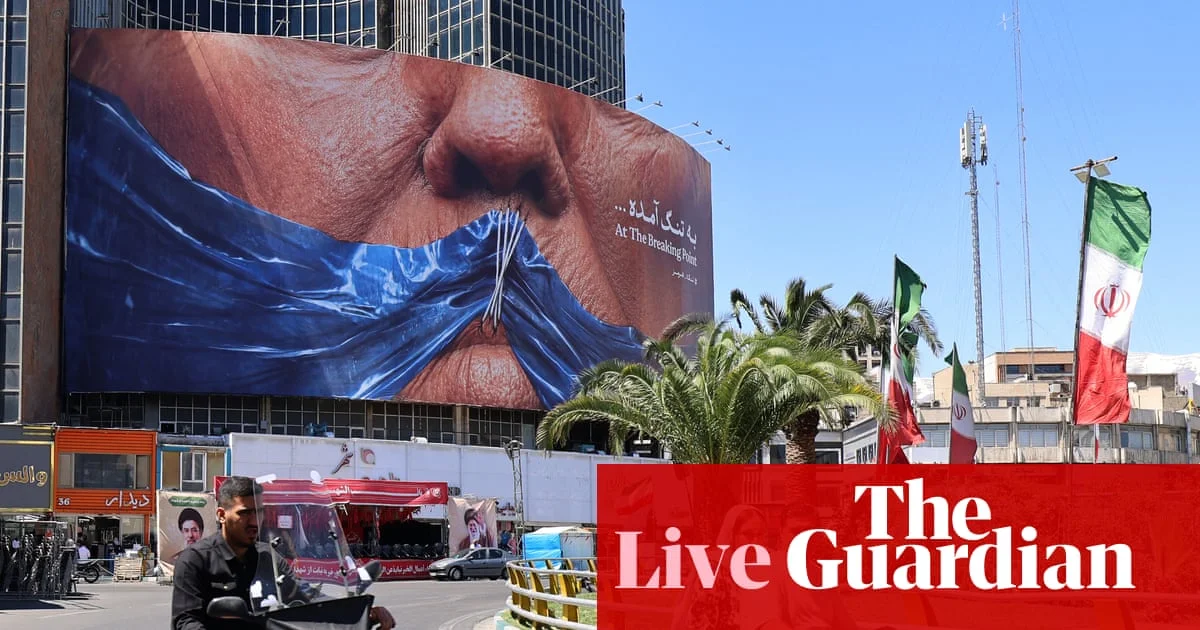
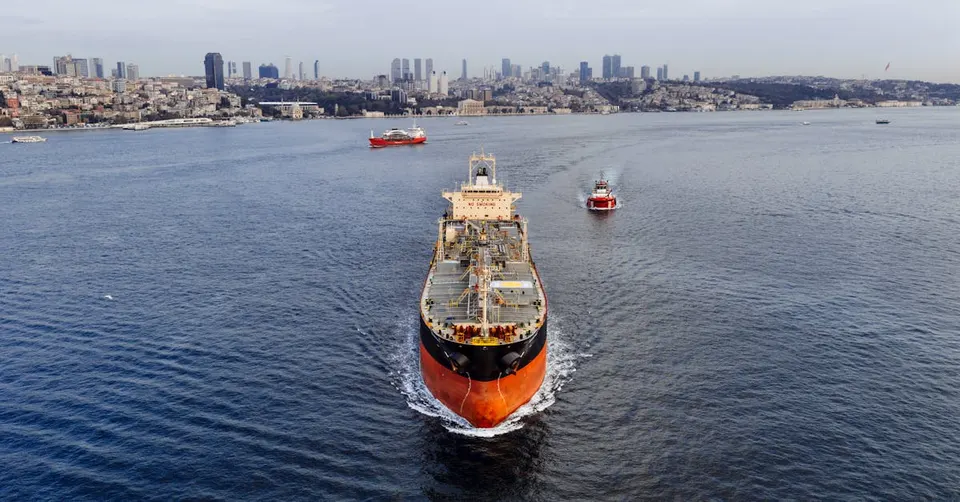
The market reaction in Tehran was instantaneous and sharp. The US Dollar (USD) moved from 176,800 to 181,500 Toman, marking a 2.7% increase in a single 24-hour window. This volatility reflects a deep-seated anxiety among traders and the general public that the window for a negotiated settlement is closing. With the ceasefire fraying and Tehran warning of new retaliatory strikes against foreign warships in the Strait of Hormuz, the economic pressure on the Iranian Rial is expected to intensify, further driving up the cost of imported goods and gold.
The Cost of Conflict: From Exhausted Munitions to Empty Airport Gates
The ripple effects of the prolonged conflict are now manifesting in unexpected sectors of the global economy and military readiness. In Washington, a senior Democratic US senator warned that American munitions stockpiles are being "largely exhausted" due to the sustained support for regional operations and the intensity of the Iran war. This admission highlights a critical vulnerability: the US defense industrial base may require years to replenish depleted supplies, which could influence the White House's appetite for further direct military involvement or a broader ground campaign. This logistical strain is a double-edged sword, potentially emboldening regional actors while simultaneously forcing the US into a more defensive posture.
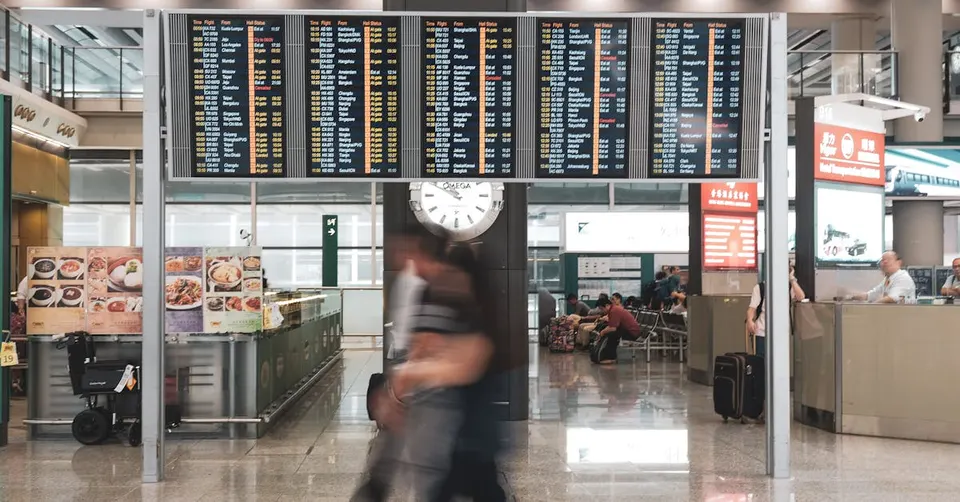
Simultaneously, the commercial aviation sector is reporting a significant downturn directly linked to the regional instability. London Heathrow, one of the world's busiest transit hubs, reported a 5% decline in passenger numbers for April, specifically citing the "Iran war fallout" as a primary driver for the dip in international travel. While transit business has seen a slight rise as fliers avoid Middle Eastern hubs, the overall contraction in demand suggests that global mobility is being stifled by the threat of wider war. For the average traveler and the business community, this translates to higher insurance premiums for flights and a general retreat from globalized commerce.
Global Market Shifts: A New Hand at the Fed and China’s Economic Slump
While the Middle East remains the focal point of geopolitical risk, the global financial landscape is bracing for a major shift in leadership. The US Senate is expected to confirm Kevin Warsh as the next chair of the Federal Reserve this week. Warsh, a Trump-aligned figure, is expected to bring a more politically sensitive approach to monetary policy, which could have profound implications for the strength of the US Dollar and global interest rates. Investors are closely watching to see if a Warsh-led Fed will pivot toward lower rates to satisfy domestic political pressure, potentially adding more liquidity to a global market already grappling with war-induced inflation.
This leadership change comes at a time of visible economic cooling elsewhere. In China, car sales plummeted by 21.5% in April, the lowest levels seen since the 2022 lockdowns. The slump is largely attributed to cratering demand for internal combustion engine vehicles as fuel prices remain prohibitively high due to the regional energy shock. Even the robust EV sector failed to offset the decline, signaling that the world's second-largest economy is struggling to maintain its growth engine amidst the current geopolitical climate. For Iran, a cooling Chinese economy means potentially lower demand for energy exports and a more complicated trade relationship with its most significant economic partner.

Frequently Asked Questions
Why did the USD price jump by 2.7% today?
What were Iran's specific demands in the rejected peace proposal?
How is the Iran conflict affecting global aviation?
What does the 'exhausted munitions' report mean for the US?
Geopolitical Risk and Currency Exchange Rates
Geopolitical risk, encompassing political instability, conflicts, and international tensions, profoundly impacts a nation's economic stability, most visibly through its currency exchange rate. When headlines report escalating regional war tensions, as seen with the Strait of Hormuz, the immediate consequence for affected currencies, like the Iranian Rial (IRR) against the US Dollar (USD), is often significant depreciation. This phenomenon reflects investors' and citizens' flight from perceived risk, seeking safety in more stable assets and currencies.
The mechanisms behind this currency depreciation are multifaceted. Heightened geopolitical risk typically triggers capital flight, where both domestic and foreign investors withdraw funds from the affected country, converting local currency into perceived safe-haven assets, often the US Dollar. This increased demand for foreign currency and decreased demand for the local currency directly drives down the local currency's value. Furthermore, such tensions deter new foreign direct investment, reduce tourism, and can disrupt trade routes and supply chains, all of which negatively impact a country's balance of payments and economic outlook.
In the context of Iran, persistent geopolitical tensions, coupled with international sanctions, have created an environment of significant economic uncertainty. The Strait of Hormuz, a critical global oil chokepoint, is particularly sensitive to these tensions. Any threat to its stability can send shockwaves through global markets and severely impact Iran's ability to conduct international trade, especially oil exports. This perceived vulnerability and economic isolation contribute directly to the depreciation of the Iranian Rial, as the market prices in the higher risk associated with holding or transacting in the currency. Understanding this interplay is crucial for comprehending how global politics translates into tangible economic outcomes.
Topics
Related Articles