US Weighs Gas Tax Pause as Iran Tensions Simmer; Beatles HQ to Become Attraction
آمریکا توقف مالیات بنزین را بررسی میکند؛ تنشهای ایران و مقر بیتلز به جاذبه گردشگری تبدیل میشود
The Trump administration is reportedly considering a pause on federal gasoline taxes to combat rising fuel prices, a move that could indirectly impact global energy markets and Iran's economy. Meanwhile, tensions between the US and Iran remain high following Trump's rejection of a peace proposal.
At time of publishing
USD
177,000
Toman
Gold 18K
20.04M
Toman / gram
Bitcoin
$80,723
US Dollar
Tether
18,038.2
Toman
US Considers Federal Gas Tax Holiday Amidst Fuel Price Surge
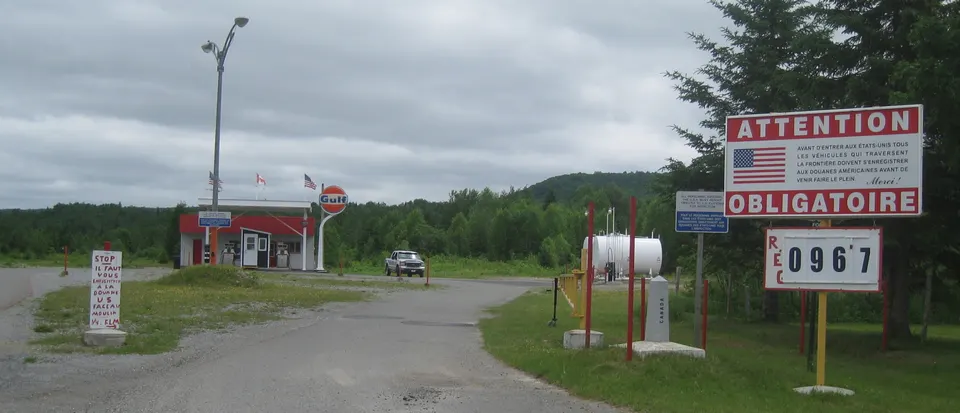
The Trump administration is reportedly evaluating a temporary suspension of the federal gasoline tax in an effort to alleviate rising fuel costs for consumers. This proposal, shared by the US Secretary of Energy, aims to provide immediate relief at the pump and could signal a broader strategy to manage energy price volatility. The context for this consideration is the ongoing global energy market instability, exacerbated by geopolitical tensions and supply chain disruptions, which have a direct bearing on fuel prices worldwide.
This potential policy shift carries significant implications for the Iranian economy. While not directly tied to Iranian oil exports, a reduction in US fuel demand or a general stabilization of global prices could indirectly affect the pricing dynamics Iran faces in international markets. Furthermore, such measures by a major global player like the US can influence overall market sentiment, potentially impacting currency exchange rates and investor confidence, which are critical factors for Iran's economic planning. The move also highlights the interconnectedness of global energy policies and their ripple effects.
---
Iran-US Tensions Persist as Peace Proposal Rejected
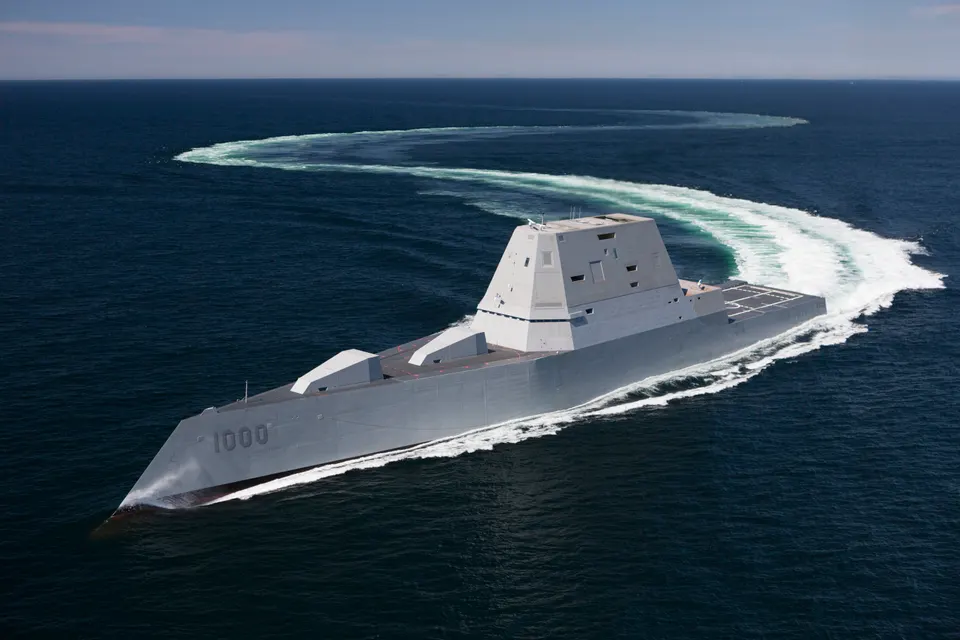
President Trump has declared Iran's response to a US proposal aimed at ending the ongoing conflict as "totally unacceptable." Reports indicate that Iran's demands include the lifting of the US naval blockade, recognition of its sovereignty over the Strait of Hormuz, and compensation for war damages. This rejection underscores the deep chasm in negotiations and suggests a continued period of heightened geopolitical risk in the region.
The implications for Iran are substantial. A failure to de-escalate diplomatic tensions could lead to further economic sanctions or increased military posturing, directly impacting trade routes and the nation's ability to conduct international business. The market reaction, as seen in the slight uptick in USD/IRR exchange rates, reflects this underlying uncertainty. For global markets, the persistent Iran-US friction remains a key factor in oil price volatility and regional stability.
---
Spy Executed in Iran for CIA and Mossad Links
Iran has confirmed the execution of Erfan Shakourzadeh, who was accused of collaborating with the US Central Intelligence Agency (CIA) and Israel's Mossad intelligence service. State media outlet IRNA reported the execution, stating Shakourzadeh was involved in espionage activities against the Islamic Republic.

This development adds another layer of complexity to Iran's internal security landscape and its relations with Western intelligence agencies. Such executions, especially when linked to major global intelligence players, can heighten regional tensions and impact international perceptions of Iran's security apparatus. While the direct market impact might be limited, it reinforces the narrative of a volatile region and can contribute to a general risk-off sentiment among investors focused on Middle Eastern stability.
Watch
Trump calls Iran's response to US peace proposal 'unacceptable'
Reuters
Frequently Asked Questions
What is the US considering regarding federal gasoline taxes?
What are Iran's reported demands in the peace proposal with the US?
Who was executed in Iran and for what alleged crimes?
How might a US gas tax pause affect Iran?
The Geopolitical Significance of the Strait of Hormuz
The Strait of Hormuz is a narrow, strategically vital waterway connecting the Persian Gulf to the Arabian Sea and the wider Indian Ocean. Measuring only about 21 nautical miles (39 kilometers) wide at its narrowest point, this chokepoint is arguably the world's most important oil transit passage. Its significance stems from the fact that a substantial portion of the world's seaborne oil and liquefied natural gas (LNG) passes through it daily, originating from major producers like Saudi Arabia, Iran, Iraq, Kuwait, Qatar, and the United Arab Emirates.
Given its critical role, any disruption or threat to navigation in the Strait of Hormuz can send ripples across global energy markets. Geopolitical tensions, such as those between the United States and Iran, often heighten concerns about the Strait's security. Iran, bordering the Strait, has historically threatened to close it in response to sanctions or military pressure, a move that would severely impede global energy supplies and likely cause oil prices to skyrocket. This vulnerability makes the region a constant focal point for international diplomacy and military posturing.
The potential for disruption in the Strait directly impacts energy security for nations worldwide, influencing everything from domestic gasoline prices to international economic stability. When fears of supply interruptions rise, oil prices tend to increase, prompting governments to consider measures like gas tax pauses to mitigate the burden on consumers, as suggested in the headline. Understanding the Strait of Hormuz's strategic importance is key to comprehending how regional conflicts can have far-reaching global economic consequences and shape national policy decisions.
Topics
Related Articles