Trump Rejects Iran Peace Proposal; Oil Surges as Diplomacy Hits a Wall and Hantavirus Fears Resurface
رد پیشنهاد صلح ایران توسط ترامپ؛ جهش قیمت نفت در پی بنبست دیپلماتیک و نگرانی از شیوع هانتاویروس
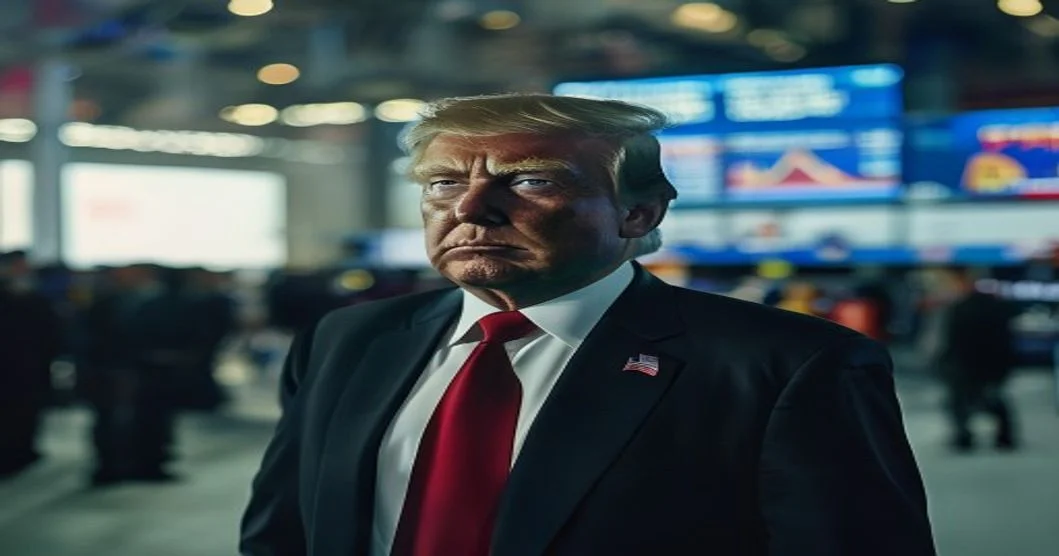
Overnight, President Trump labeled Iran's latest response to a peace proposal as 'totally unacceptable,' causing oil prices to spike and endangering the 30-day ceasefire. Simultaneously, a global health alert regarding a Hantavirus outbreak on a luxury cruise ship has raised concerns about global preparedness.
At time of publishing
USD
177,000
Toman
Gold 18K
20.11M
Toman / gram
Bitcoin
$80,822
US Dollar
Tether
17,902.1
Toman
Market Open — Geopolitics Push Gold and Coin Higher
The Tehran market opened this Monday morning with a palpable sense of tension following overnight developments in Washington. The US Dollar (USD/IRR) saw a marginal increase, rising from 176,800 to 177,000 Toman, a factual 0.1% uptick. While the currency remained relatively stable, the real movement was seen in the gold sector. Emami gold coins surged by 1.8%, jumping from 194.5 million to 198 million Toman, reflecting a classic flight to safety as diplomatic rhetoric sharpened.
Gold 18k/gram remained steady at 20,112,424 Toman, but the international context is far more volatile. With the global gold ounce trading at a staggering $4,653.10 and Bitcoin holding firm at $80,822, the Iranian investor is facing a dual-pressure environment: domestic inflation expectations and global commodity spikes. The market's reaction to the 'totally unacceptable' label placed on recent negotiations suggests that the 'diplomatic discount' previously priced into the Rial is rapidly evaporating.
Trump Rejects Peace Proposal; Oil Markets React Sharply
In a move that has rattled energy markets and diplomatic circles alike, President Donald Trump has officially rejected Iran's response to the latest U.S. peace proposal. Labeling the response as "totally unacceptable," Trump has effectively paused the momentum toward a long-term resolution of the ongoing conflict. This development is particularly critical as it threatens the stability of the current 30-day ceasefire and the proposed reopening of the strategic Strait of Hormuz. For months, the market had been pricing in a gradual de-escalation, but this sudden friction has brought the 'war premium' back to the forefront of global finance.
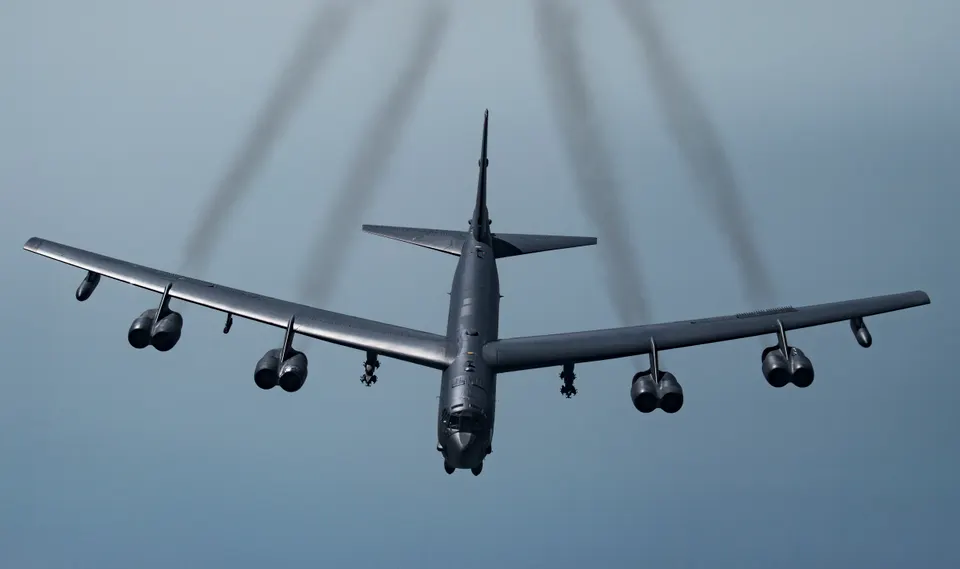
Following the announcement, oil prices saw an immediate spike in early Asian trading. Brent crude surged by over 3.3%, crossing the $104 per barrel mark, while WTI followed suit. Analysts suggest that the rejection indicates a fundamental gap between Washington's demands and Tehran's red lines, particularly regarding regional influence and long-term sanction relief. For Iranian readers, this means the prospect of immediate economic relief through increased legal oil exports has dimmed, likely keeping the pressure on the Toman in the coming weeks. The reports of tankers 'going dark' to exit the Strait of Hormuz only add to the sense of a high-stakes game of cat and mouse in the world's most vital energy corridor.
Global Health Alert: The Hantavirus Outbreak
While geopolitics dominated the headlines, a significant health story emerged from the luxury travel sector, serving as a stark reminder of the world's biological vulnerability. An outbreak of Hantavirus aboard a luxury cruise ship has triggered an international effort to contain the pathogen before it spreads across borders. Unlike the more common respiratory viruses, Hantavirus can be exceptionally deadly, and its appearance in a high-traffic, international environment like a cruise ship has put global health authorities on high alert. This comes at a time when global preparedness is already being questioned following years of pandemic fatigue.

For the global economy, this is more than just a health story; it is a potential disruptor of the travel and tourism industry, which has only recently recovered to pre-2020 levels. If the outbreak is not contained, we could see a return to localized lockdowns or stricter border controls, which would further complicate global supply chains. For Iran, any slowdown in global trade or a shift in focus toward a new health crisis could impact the pricing of non-oil exports and the availability of medical imports. It serves as a reminder that the 'next big thing' for markets might not be a central bank decision, but a biological wildcard.
The Trump-Xi Summit: A Fragile Truce on the Line
As if the situation in the Middle East wasn't complex enough, the first U.S. presidential visit to China in nearly a decade is set to take place. The summit between Donald Trump and Xi Jinping is expected to cover a wide range of volatile topics, including the war in Iran, the future of Taiwan, and the development of artificial intelligence. However, the most immediate concern for markets is the status of the fragile tariff truce. Both nations have been locked in a cycle of economic protectionism, and any breakdown in these talks could lead to a renewed trade war that would drag down global GDP growth.
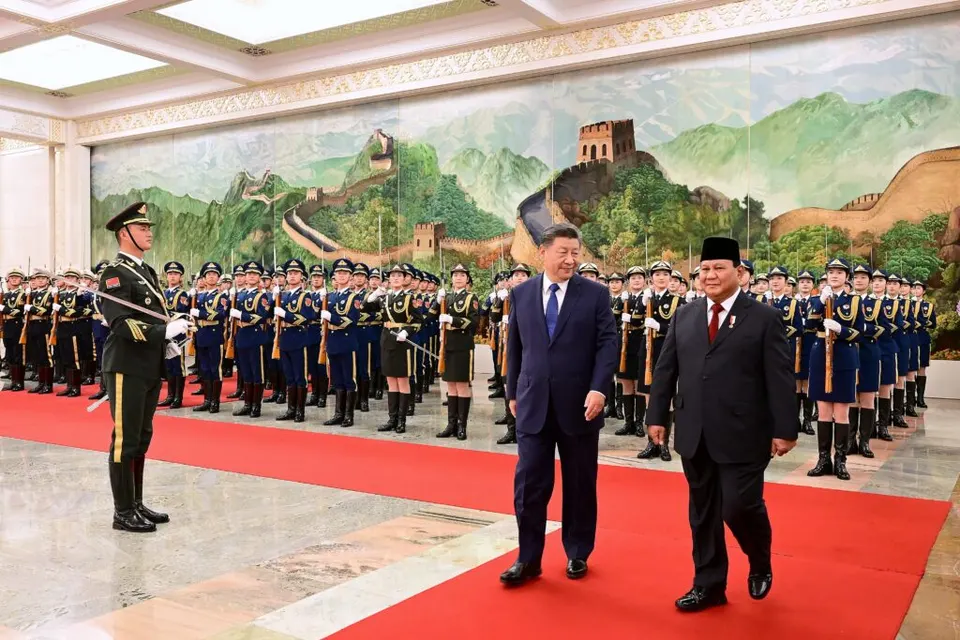
Expectations for the summit are modest, with many experts believing that a 'no-harm' outcome—where neither side escalates—is the best-case scenario. However, for Iran, the outcome of this meeting is vital. China remains the primary buyer of Iranian energy, and any trade deal or 'understanding' between Washington and Beijing could include clauses that tighten or loosen the enforcement of secondary sanctions on Iranian oil. If Trump manages to leverage trade concessions from Xi in exchange for stricter compliance on Iran, the economic pressure on Tehran could reach unprecedented levels. Conversely, a failure in US-China relations could push Beijing to ignore US sanctions even more flagrantly, providing a back-door lifeline for the Iranian economy.
Frequently Asked Questions
Why did oil prices spike this morning?
How does the Trump-Xi summit affect the Iranian Rial?
What is the significance of the Hantavirus outbreak for markets?
The Strategic Chokepoint: How the Strait of Hormuz Shapes Global Oil Prices
The Strait of Hormuz is a narrow waterway between the Persian Gulf and the Gulf of Oman, only about 21‑nmi wide at its narrowest point. Despite its size, it carries roughly 20‑30% of the world’s petroleum—including crude oil, condensate and refined products—making it one of the most critical maritime chokepoints for energy security.
Because so much oil passes through a single corridor, any hint of disruption instantly feeds into market psychology. In 2019, Iran’s seizure of two oil tankers and a series of missile attacks on vessels prompted a sudden $10‑plus per barrel spike in Brent crude. Similar price jumps followed the 2020 drone attacks on tankers near the strait, underscoring how geopolitical risk translates directly into price volatility.
When diplomatic initiatives, such as the 2025 Iran‑U.S. peace proposal, stall or collapse, traders price in a “risk premium.” This premium is reflected in higher futures contracts, tighter insurance rates for ships, and the occasional decision to reroute vessels around the Cape of Good Hope—adding weeks and thousands of miles to delivery times. The premium can be quantified: a study by the U.S. Energy Information Administration found that a 10% increase in perceived geopolitical risk can lift global oil prices by $3‑$5 per barrel.
The ripple effects extend beyond the energy sector. Higher oil costs raise transportation fees, inflate food prices, and can trigger capital outflows from emerging markets that rely on cheap energy imports. Understanding the Strait of Hormuz’s strategic role therefore helps explain why a single diplomatic setback—like the rejection of a peace proposal—can spark a worldwide market surge, as seen in the May 2026 oil price rally.
Topics
Related Articles