Netanyahu’s Secret UAE Summit and the $300 Billion War Shock: A New Era for the Middle East and Global Markets
سفر محرمانه نتانیاهو به امارات و شوک ۳۰۰ میلیارد دلاری جنگ: عصر جدید خاورمیانه و بازارهای جهانی
Israeli PM Netanyahu confirms a covert wartime visit to the UAE as a new regional alliance takes shape. Meanwhile, Kevin Warsh is confirmed as the new Fed Chair, signaling a major shift in US monetary policy amid a projected $300 billion economic shock from the Iran conflict.
At time of publishing
USD
179,550
Toman
Gold 18K
20.38M
Toman / gram
Bitcoin
$79,482
US Dollar
Tether
17,959.9
Toman
The Secret Diplomacy of War: Netanyahu in the UAE
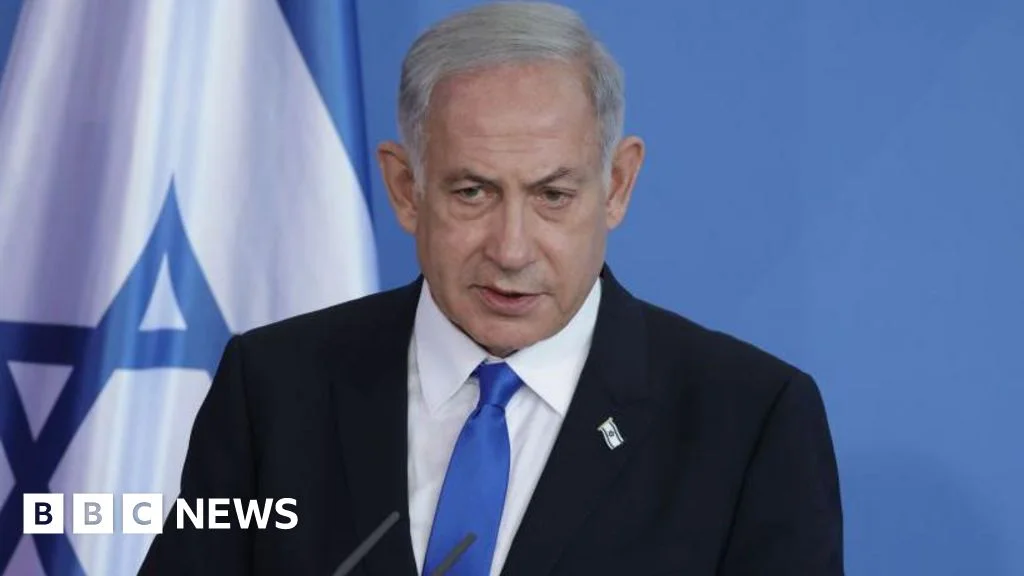
In a move that has sent shockwaves through the diplomatic corridors of the Middle East, the Israeli Prime Minister’s office confirmed on Wednesday night that Benjamin Netanyahu conducted a secret visit to the United Arab Emirates. Meeting with President Sheikh Mohammed bin Zayed Al Nahyan at the height of the ongoing conflict with Iran, the trip marks a definitive shift in regional dynamics. This covert summit was described by Israeli officials as a "historic breakthrough," suggesting that the shared threat of Iranian military capabilities is forcing traditional adversaries and lukewarm partners into a tighter, more functional security architecture. For the Iranian leadership, this signals that the strategy of isolating Israel within the region is facing its most significant challenge yet, as Arab capitals increasingly prioritize stability over historical grievances. This development comes at a time of extreme volatility in the Persian Gulf. While the physical conflict continues to simmer, the diplomatic maneuvering suggests a preparation for a long-term containment strategy. The UAE, which has historically balanced its relations between Tehran and Tel Aviv, appears to be leaning further into its Abraham Accords commitments as the security costs of the current war rise. For market participants, this alliance provides a glimmer of hope for a managed regional order, though the immediate effect on the Iranian Toman remains complex. As of late Wednesday, the USD in Tehran's open market moved from 181,200 to 179,550 (-0.9%), reflecting a cautious cooling of local panic despite the high-stakes geopolitical drama.

A New Captain for the Federal Reserve: The Kevin Warsh Era Begins
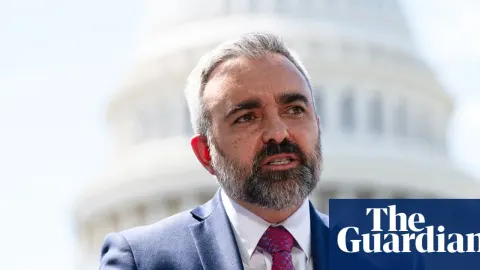
The US Senate has officially confirmed Kevin Warsh as the next Chair of the Federal Reserve, succeeding Jerome Powell in a 54-45 vote that largely followed party lines. Warsh, a known favorite of the Trump administration, enters the role at a critical juncture where the US economy is grappling with the dual pressures of domestic inflation and the massive fiscal drain of the Middle East conflict. Unlike his predecessor, Warsh is viewed as more receptive to political alignment with the executive branch, leading to concerns from some economists about the future independence of the central bank. However, the crypto market has reacted with notable optimism; Warsh is perceived as "crypto-friendly," and his confirmation has fueled expectations for a fast move toward $90,000 for Bitcoin as the CLARITY Act gains momentum in Washington. Warsh faces immediate tests that will define his tenure. He must navigate a Federal Reserve board that is traditionally resistant to rapid policy shifts while addressing the President’s demands for lower interest rates to stimulate growth. Wall Street is watching closely to see if Warsh can implement the radical changes he has previously advocated for, such as a more transparent and rules-based monetary framework. For Iranian investors and those holding global assets, the Warsh era likely means a more volatile USD on the international stage. If he aggressively cuts rates to please the White House, we could see a weakening of the dollar index, which often acts as a tailwind for gold and digital assets. Currently, the gold ounce stands at $4,686.60, while local 18k gold in Iran saw a slight decrease of 0.5% today, settling at 20,379,518 Toman per gram.
The $300 Billion Price Tag: The Economic Reality of the Iran War
New economic modeling presented to Congress suggests that the ongoing conflict with Iran could result in a staggering $300 billion shock to the US and global economies. This is not just a figure on a balance sheet; it represents a tangible squeeze on the average citizen through rising mortgage rates and suppressed wage growth. Analysts argue that the real danger to global markets isn't just the spike in energy prices—which have been somewhat mitigated by shifting supply chains—but rather a state of "market paralysis." Uncertainty regarding the duration and intensity of the war is squelching long-term investment, as capital remains on the sidelines waiting for a definitive resolution. This paralysis is particularly evident in the semiconductor and AI sectors, where supply chain fears are tempering the enthusiasm typically seen in these high-growth industries.
For the Iranian economy, the "war shock" is even more direct. While the Toman showed a slight recovery today—with the Emami coin dropping 0.5% to 196,000,000 Toman—the underlying structural damage from isolation and heightened military spending remains a massive hurdle. The report highlights that if the Trump administration fails to secure a breakthrough during the ongoing summit in Beijing, renewed military action could be on the table as early as next week. This constant threat of escalation keeps the Iranian market in a state of high-alert, where any temporary recovery in the currency is viewed with skepticism by local traders. The intersection of US-China diplomacy and the Middle East conflict has created a complex web where a single statement from Beijing could either stabilize the Toman or send it back into a tailspin.
Human Stakes: The Silence Surrounding Detainees
Amidst the macro-economic and geopolitical maneuvering, the human cost of the standoff continues to mount. The family of Lindsay and Craig Foreman, a British couple detained in Iran for over a year, reports that all contact has been cut off. This development often precedes shifts in diplomatic leverage or internal policy changes within the Iranian judiciary. For the international community, the treatment of foreign nationals remains a key barometer for Iran’s willingness to engage in de-escalation. When communication lines go dark, it typically signals a hardening of positions, making the prospect of a humanitarian breakthrough seem increasingly remote. These individual stories often get lost in the noise of $300 billion shocks and secret summits, but they serve as a crucial reminder of the friction points that prevent a return to normalcy. For the Iranian reader, these events contribute to the broader sense of international isolation that feeds into the "country risk" premium applied to all local assets. Whether it is the detention of foreign nationals or the reported secret arms deals involving Chinese firms attempting to bypass sanctions, the cumulative effect is a persistent pressure on the national economy that no amount of short-term market intervention can fully alleviate.
Frequently Asked Questions
Why did Netanyahu visit the UAE secretly during the war?
What does Kevin Warsh’s confirmation as Fed Chair mean for Bitcoin?
How is the 'market paralysis' mentioned in reports affecting Iran?
Understanding Geopolitical Risk and Its Economic Ripples
Geopolitical risk refers to the potential for political instability, conflicts, or international tensions to disrupt global economic activity. These risks can stem from a variety of sources, including interstate conflicts, civil unrest, terrorism, trade wars, and even significant policy shifts by major powers. The recent headline alludes to a "war shock" and tensions in the Middle East, highlighting how events in one region can send tremors through global markets and economies. Understanding this concept is crucial for anyone trying to make sense of international news and its potential impact on their finances.
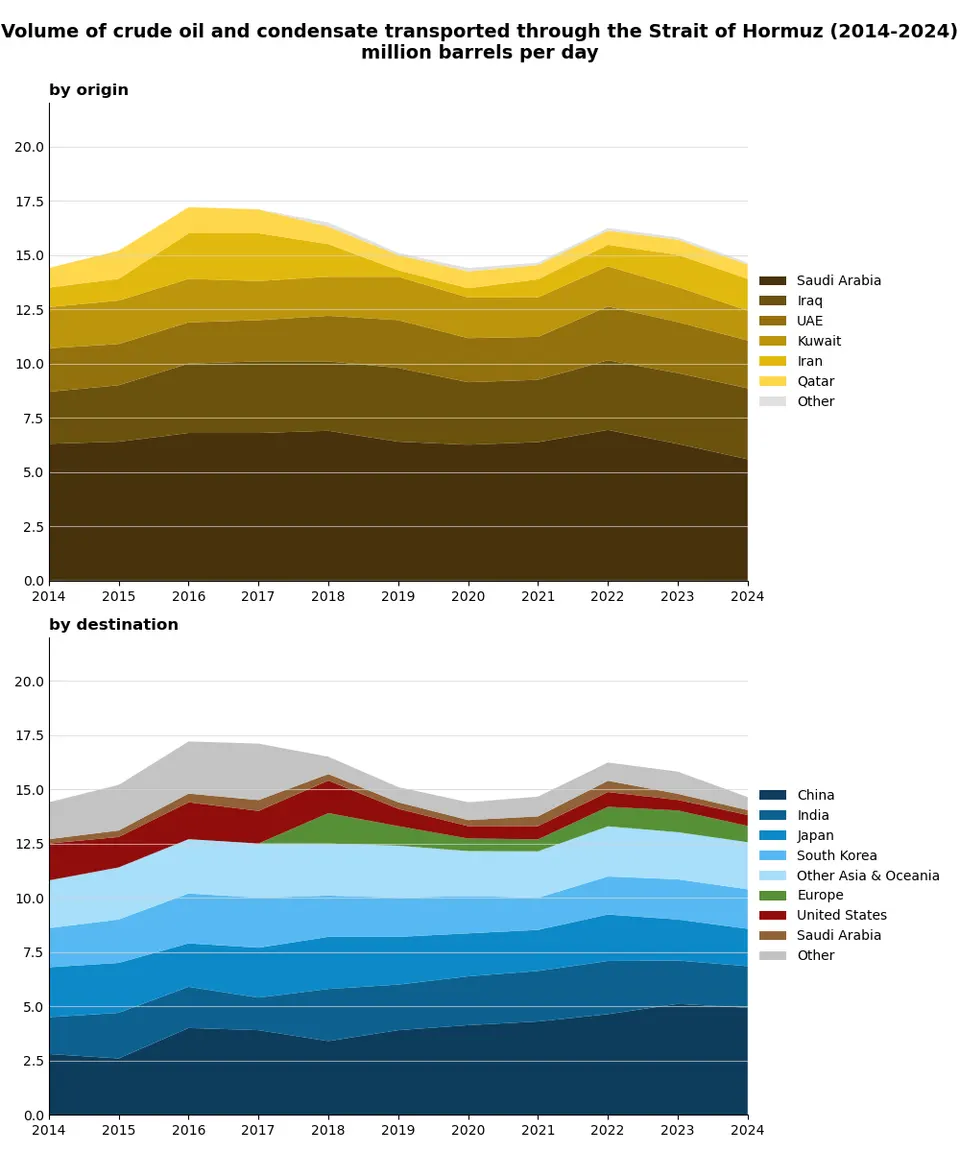
The economic impact of geopolitical risk is multifaceted and often immediate. One of the most common effects is on commodity markets, particularly oil. Tensions in critical transit points like the Strait of Hormuz, mentioned in the keywords, can threaten oil supplies, leading to sharp price increases that affect everything from transportation costs to manufacturing. Beyond commodities, geopolitical events can cause significant currency fluctuations, as investors seek safe-haven assets, weakening currencies of nations perceived as vulnerable (e.g., potential impact on USD/IRR). Investor confidence can plummet, leading to capital flight, reduced foreign direct investment, and increased market volatility across stocks and bonds.
Furthermore, geopolitical risks can disrupt global supply chains, increasing production costs and contributing to inflation. Governments and central banks, like the Federal Reserve, often face difficult choices in responding to such shocks, balancing efforts to stabilize markets with managing inflation and supporting economic growth. A "war shock" of the magnitude mentioned in the headline could trigger widespread economic uncertainty, potentially leading to recessions or prolonged periods of slow growth, as resources are diverted and trade relationships are strained.
Ultimately, geopolitical risk is a constant factor in global economics. Its presence necessitates a keen awareness from policymakers, businesses, and individual investors alike. While predicting specific outcomes is challenging, recognizing the potential pathways through which political events can translate into economic consequences allows for better preparation and more informed decision-making in an interconnected world.
Topics
Related Articles