UK Economy Defies War Gloom with 0.3% Growth; Strait of Hormuz Becomes a High-Stakes Gamble
رشد غافلگیرکننده اقتصاد بریتانیا در میان جنگ؛ قمار کشتیها برای عبور از تنگه هرمز
The UK economy unexpectedly grew by 0.3% in the first month of the Iran conflict, defying recession fears. Meanwhile, maritime experts warn that the Strait of Hormuz has become a 'gamble' as vessels increasingly disable tracking systems to avoid targeting.
At time of publishing
USD
179,600
Toman
Gold 18K
20.38M
Toman / gram
Bitcoin
$79,781
US Dollar
Tether
17,894.4
Toman
UK Economy Shows Unexpected Resilience Amid Conflict
In a surprising turn of events, official figures from the Office for National Statistics (ONS) reveal that the UK economy grew by 0.3% in March, the first full month following the outbreak of the Iran conflict. This performance outperformed market expectations, which had braced for a contraction due to surging fuel costs and global supply chain disruptions. The data suggests that despite the geopolitical turmoil in the Middle East, the UK's service and manufacturing sectors have maintained a level of momentum that many analysts thought impossible under current conditions.
For Iranian observers and global investors, this resilience is a double-edged sword. While it indicates that the global economy may not collapse as quickly as feared, it also suggests that Western nations might have more economic 'runway' to sustain prolonged diplomatic or military pressure. The 0.3% growth follows a revised 0.4% rise in February, showing a consistent trend of recovery that could embolden central banks to maintain higher interest rates for longer, potentially keeping the British Pound strong against a basket of emerging market currencies.
The Strait of Hormuz: A High-Stakes Maritime Gamble
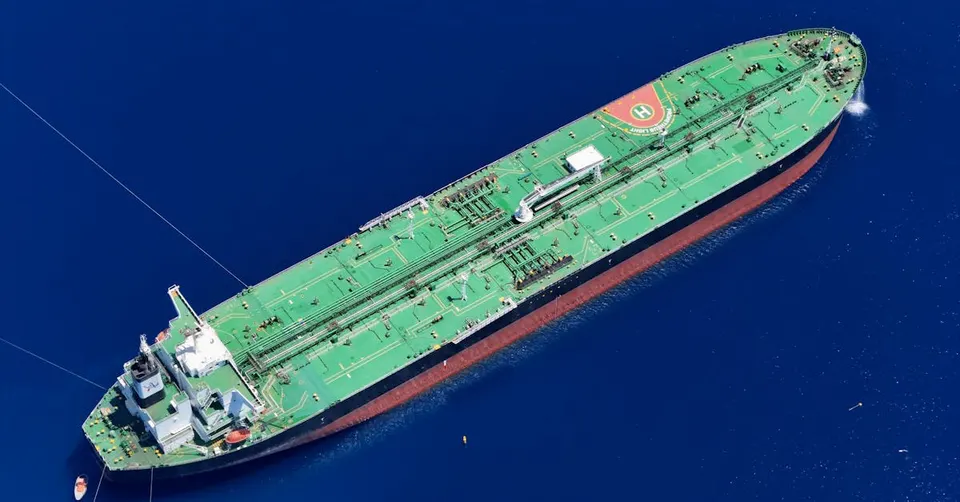
The strategic waterway of the Strait of Hormuz has entered a dangerous new phase, according to recent maritime intelligence reports. Vessels are increasingly navigating the narrow passage without transmitting critical AIS (Automatic Identification System) data, effectively 'going dark' to avoid detection by hostile forces. This tactic, while intended to protect the ships from being targeted, significantly increases the risk of mid-sea collisions and complicates international search and rescue operations. Experts describe the current state of passage as a gamble where the stakes are the global energy supply.
This development has immediate consequences for the Iranian economy and regional trade. As insurance premiums for transit through the Persian Gulf skyrocket, the cost of imported goods is expected to rise, further fueling domestic inflation. Furthermore, the lack of transparency in the Strait makes it difficult for global markets to price oil accurately, leading to the high volatility we see in energy futures. The 'dark' movement of vessels also suggests a breakdown in international maritime norms, which could take years to rebuild even after the current tensions subside.
Market Snapshot: USD Stability and Gold’s Record Ascent
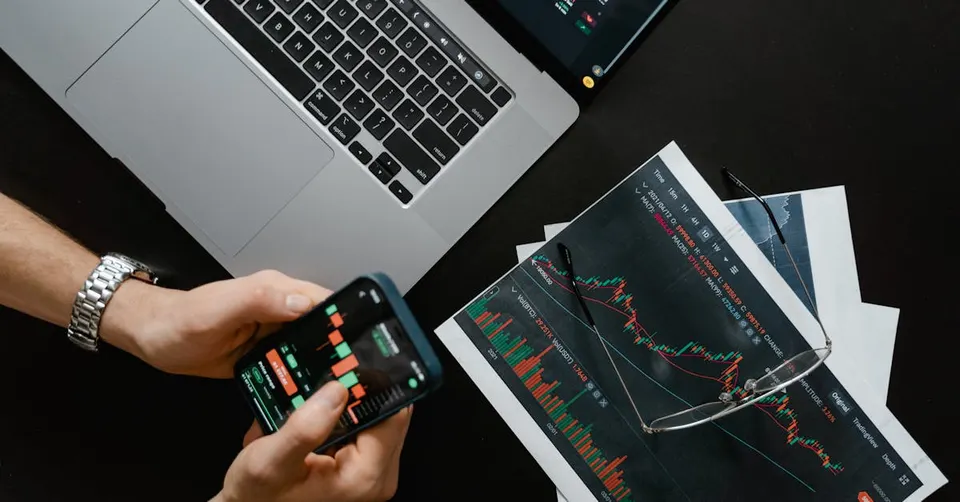
The Iranian currency market remains in a state of watchful waiting at the 10:00 AM Tehran session. The US Dollar (USD) moved slightly from 179,550 to 179,600 Toman, representing a negligible change of +0.0% over the last 24 hours. This stagnation at high levels suggests that the market has priced in the current geopolitical risks, but remains extremely sensitive to any sudden escalations. Meanwhile, Gold continues its historic run, with the global ounce price reaching a staggering $4,692.40, reflecting a massive flight to safety by international investors.
In the crypto space, Bitcoin (BTC) is trading at $79,781, holding steady despite significant outflows of $635 million from spot ETFs in a single day. This 'tug-of-war' between institutional selling and retail holding indicates a market at a crossroads. For local traders in Iran, the Tether (USDT) rate at 17,894 Toman remains the primary gateway for capital flight and hedging against potential Rial devaluation. As long as the conflict remains unresolved, the demand for hard assets like gold and stablecoins is expected to remain at peak levels.

Australian Resource Politics and the New Indigenous Payout Standard
On the other side of the globe, a landmark legal decision in Australia is setting a new precedent for the global mining industry. The Yindjibarndi traditional owners are considering an appeal against a record $150 million compensation payout from mining giant Fortescue. While the payout is the largest in the history of 'native title' claims, the indigenous corporation argues it is 'unsatisfactory' and fails to account for the total cultural and financial loss suffered since mining began on their ancestral lands. This case is being watched closely by resource-rich nations, including those in the Middle East, as it redefines the cost of doing business in indigenous territories.
Politically, the Australian Labor government under Anthony Albanese has gained a new seat in the Senate following the defection of Tammy Tyrrell. However, the government still lacks an outright majority, meaning policy decisions—including those related to international sanctions and trade agreements—will continue to require complex negotiations with crossbenchers. This internal political maneuvering in a major commodity-exporting nation like Australia can have ripple effects on global supply chains for iron ore and rare earth minerals, which are critical for the global tech and defense industries.
Frequently Asked Questions
Why did the UK economy grow during the first month of the Iran war?
What are the risks of ships 'going dark' in the Strait of Hormuz?
How is the Iranian Rial reacting to the current geopolitical climate?
Geopolitical Chokepoints: Why the Strait of Hormuz Shapes Global Markets
A geopolitical chokepoint is a narrow geographic passage—such as a strait, canal, or mountain pass—through which a disproportionate share of global trade must flow. The Strait of Hormuz, a 21‑nautical‑mile waterway between Oman and Iran, is the world’s most critical oil chokepoint: roughly 20‑30% of daily oil consumption and a similar share of petroleum products pass through it each day. Because the world’s energy system is still heavily oil‑dependent, any disruption—whether from military conflict, piracy, or even a brief technical failure—can instantly ripple through commodity prices, exchange rates, and inflation worldwide.
When a chokepoint is threatened, markets price in a geopolitical risk premium. Traders bid up the price of oil futures, which in turn lifts the price of related assets such as gold (often seen as a safe‑haven) and even influences the valuation of risk‑on assets like equities and cryptocurrencies. The recent war‑related tension in the Persian Gulf, for example, helped push gold to record highs in 2024‑25 and contributed to heightened volatility in Bitcoin‑linked exchange‑traded funds. At the same time, currencies of oil‑importing nations (including the pound sterling) can feel pressure from higher import bills, while oil‑exporting economies such as Iran see their USD/IRR exchange rate swing dramatically.
Beyond price spikes, chokepoints affect supply‑chain resilience. Companies that rely on steady oil supplies may diversify routes, invest in strategic petroleum reserves, or accelerate the transition to alternative energy sources. Nations may also adjust fiscal policy—such as the UK’s modest 0.3% GDP growth forecast for 2026—by accounting for higher import costs and potential inflationary pressures. Understanding the mechanics of chokepoints helps policymakers and investors anticipate how a localized flashpoint can become a global economic catalyst.
Historically, the Strait of Hormuz has been a flashpoint during the Iran‑Iraq War, the 1991 Gulf War, and more recently during heightened U.S.–Iran tensions. Each episode demonstrated how quickly a regional dispute can translate into global macroeconomic shocks, reinforcing the importance of monitoring geopolitical developments alongside traditional economic indicators.
For anyone tracking the interplay of geopolitics and markets, the key takeaway is that a narrow stretch of water can move the world’s economy. By watching shipping news, naval deployments, and diplomatic signals around chokepoints, analysts can better gauge the timing and magnitude of price movements across commodities, currencies, and even digital assets.
Topics
Related Articles