UK Labour Rocked by Resignations as Iran Truce on 'Life Support'; Toman Slides Amid Rising Tensions
استعفای دستیاران وزیران، حزب کارگر بریتانیا را شوکه کرد؛ آتشبس ایران در 'مراقبتهای ویژه'؛ تومان در بحبوحه تنشها سقوط میکند
Political turmoil grips the UK Labour party as ministerial aides resign, demanding Keir Starmer's exit, signaling instability in a major global power. Simultaneously, US President Trump declares the Iran truce on 'life support,' raising fears of an escalating energy crisis and pushing the Toman lower against the dollar. Global economic and geopolitical anxieties are on the rise, impacting everything from housing markets to commodity prices.
At time of publishing
USD
181,800
Toman
Gold 18K
20.76M
Toman / gram
Bitcoin
$81,928
US Dollar
Tether
18,117
Toman
UK Labour Party Faces Internal Rebellion as Aides Quit
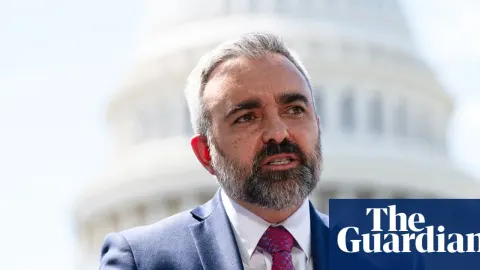
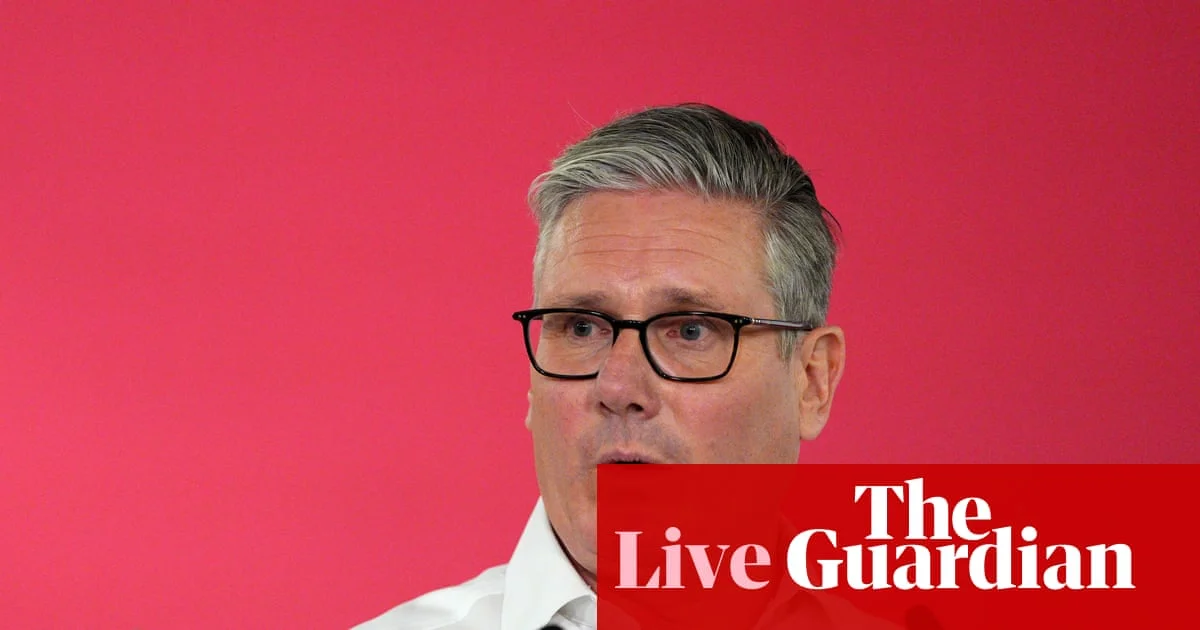
The UK Labour Party is grappling with significant internal dissent following a major speech by leader Keir Starmer, which failed to quell a growing rebellion within his ranks. Three ministerial aides have publicly resigned, joining over 55 Labour MPs in demanding Starmer's immediate resignation. This dramatic show of no-confidence stems from a perception among some party members and voters that the current leadership is failing to address core issues affecting working people and lacks a clear vision for the country's future.
This political upheaval in one of the world's leading economies sends ripples of uncertainty across global markets and diplomatic circles. While directly impacting UK domestic policy and the prospects of the Labour Party, such instability in a G7 nation can influence investor confidence, trade relations, and the broader geopolitical landscape. For countries like Iran, observing political shifts in major Western powers is crucial as it can indirectly affect international policy stances, trade agreements, and even the appetite for engagement on critical regional issues, contributing to a sense of global unpredictability.
Iran Truce on 'Life Support' as Energy Crisis Looms
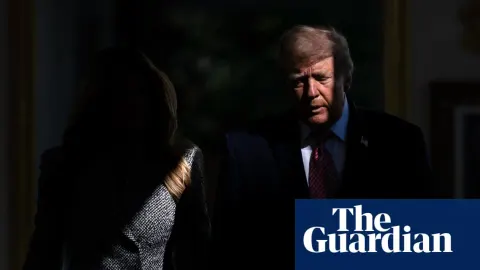
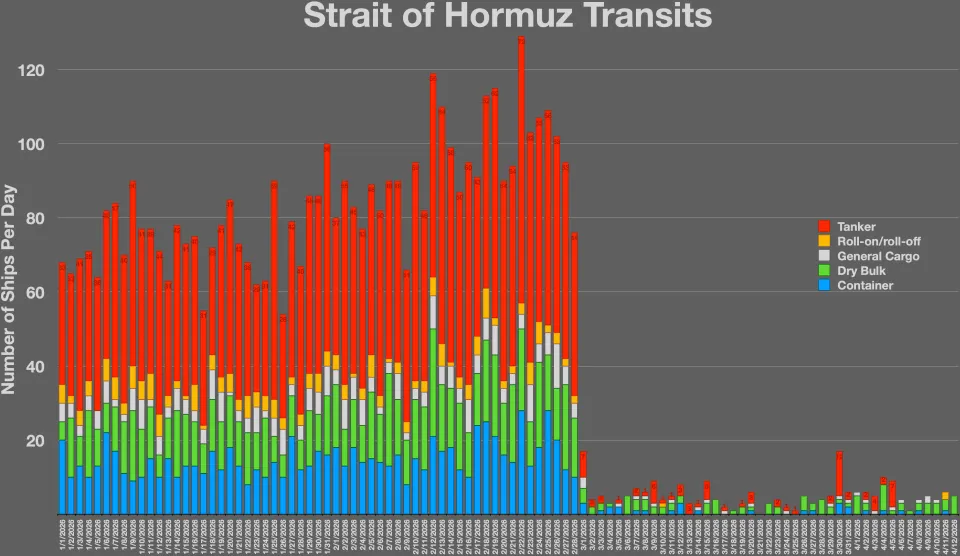
US President Donald Trump has declared the existing truce with Iran to be on "life support," dismissing Iranian peace proposals as "garbage." This stark assessment comes amidst escalating rhetoric and a clear indication from Trump that he is considering restarting US naval escorts for ships traversing the Strait of Hormuz, a critical choke point for global oil supplies. The president's comments underscore a rapidly deteriorating diplomatic situation and signal a potential return to more confrontational measures, directly impacting the already fragile stability of the Middle East.
This renewed tension immediately reverberates through global energy markets, exacerbating fears of a long-term energy crisis. The prospect of disruptions in the Strait of Hormuz, coupled with the ongoing conflict, directly influences oil prices and the cost of shipping, which ultimately impacts consumer prices worldwide. For Iranian citizens, this geopolitical escalation has tangible economic consequences: the Iranian Toman weakened significantly, with the USD moving from 176,800 to 181,800 (+2.8%). Simultaneously, safe-haven assets saw notable gains, with Gold 18k/gram rising from 20,112,424 to 20,757,883 (+3.2%) and the Emami coin increasing from 194,500,000 to 200,000,000 (+2.8%), reflecting market anxiety and a flight to perceived stability amidst regional uncertainty.
Cash-Strapped Homeowners Signal Broader Economic Strain
In a concerning trend for the US economy, a growing number of cash-strapped homeowners may soon have no alternative but to undertake crucial repairs on their aging houses. This predicament, highlighted by analysts, suggests a tipping point where deferred maintenance on homes built during the mid-2000s housing boom can no longer be ignored. While this could potentially benefit home improvement retailers like Home Depot and Lowe's in the short term, it primarily signals broader financial strain among a significant segment of the population, impacting discretionary spending and overall economic health.
This development has wider implications for global economic sentiment. A weakening US housing market and constrained consumer spending can dampen demand for goods and services, potentially leading to a slowdown in global trade and investment. For Iranian readers, these macro-economic signals from major economies are important indicators of global inflation trends, commodity price movements, and the overall risk appetite of international investors. Sustained economic challenges in the US could indirectly affect the value of the Toman, the price of imported goods, and the general economic outlook, underscoring the interconnectedness of global financial systems.
Drought Fears Grip Central and Southern England
Central and southern England are facing growing concerns over drought conditions following one of the driest Aprils on record. Meteorological Office figures reveal that rainfall was 23% less than average for the month, leading to significantly low river levels across the region. This prolonged dry spell has raised fears of potential water shortages throughout the summer, prompting warnings from hydrological surveys that notably low river flows are expected over the next three months.

Such environmental challenges in a major European economy carry global implications beyond immediate local concerns. Persistent droughts can impact agricultural output, potentially leading to higher food prices and supply chain disruptions that extend far beyond national borders. For Iranian markets and consumers, global food price volatility directly translates into import costs and inflationary pressures, affecting household budgets and economic stability. Furthermore, it highlights the increasing vulnerability of even developed nations to climate change, urging greater international cooperation on water management and food security.
Nazi-Looted Portrait Found in Descendant's Home
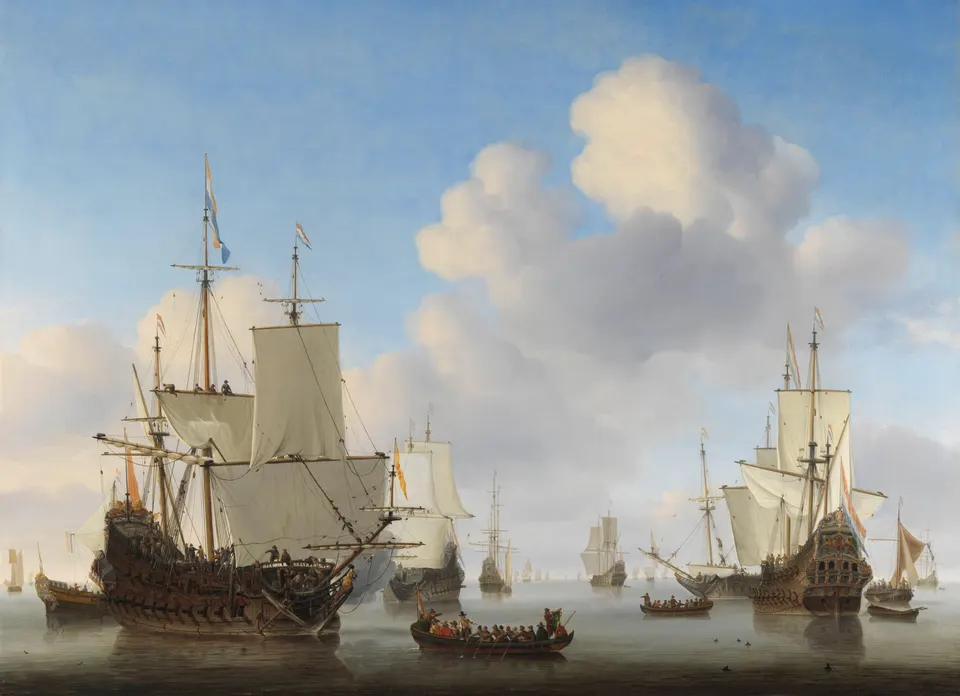
A significant piece of art history has resurfaced with the discovery of a portrait, believed to have been looted by high-ranking Nazi Hermann Goering during World War Two, in the home of a Dutch SS leader's descendants. This find marks another chapter in the ongoing international effort to recover artworks stolen during the Nazi era, a period of immense cultural plunder. The painting's re-emergence underscores the enduring legacy of World War Two and the continuous pursuit of justice for victims of wartime atrocities.
This discovery, while not directly impacting current financial markets or geopolitical conflicts, serves as a poignant reminder of historical injustices and the long-term consequences of war. It highlights the importance of cultural heritage protection and the complex legal and ethical challenges involved in repatriating stolen artifacts. For a global audience, including those in Iran, such stories resonate deeply, emphasizing the universal value of art and the persistent efforts required to restore historical integrity and cultural memory, often spanning generations.
Frequently Asked Questions
What is the significance of the resignations within the UK Labour Party for global markets?
How do Trump's comments on the Iran truce and Strait of Hormuz affect the Iranian Toman and gold prices?
What does the 'cash-strapped homeowners' trend in the US imply for the global economy?
Could the drought in England impact global food prices or supply chains?
Why is the discovery of a Nazi-looted portrait still newsworthy today?
The Strait of Hormuz: A Geopolitical Chokepoint and its Global Economic Impact
The Strait of Hormuz stands as one of the world's most critical maritime chokepoints, a narrow waterway connecting the Persian Gulf to the open ocean. Roughly one-fifth of the world's total petroleum consumption and a significant portion of its liquefied natural gas (LNG) transit through this 21-mile wide passage daily. Its strategic importance cannot be overstated; any disruption here has immediate and profound implications for global energy markets, directly affecting supply, prices, and the stability of the world economy.
Geopolitical tensions in the surrounding region, such as the fragility of an "Iran truce" mentioned in the headline, directly translate into heightened risks for shipping through the Strait. When political relations sour or military posturing increases, the perceived threat to oil tankers and cargo vessels rises. This uncertainty often leads to a "geopolitical risk premium" being added to oil prices, as traders factor in potential supply disruptions. An actual incident, like a blockade or an attack on shipping, could trigger a severe energy crisis, sending crude oil prices soaring and potentially plunging global economies into recession.
For countries within the region, and particularly for Iran, these tensions have immediate and severe economic repercussions. A breakdown in diplomatic efforts or increased international pressure can lead to further economic isolation and sanctions, severely limiting Iran's ability to export its oil and gas. Domestically, this uncertainty and the threat of conflict erode confidence, leading to a rapid depreciation of the national currency, such as the Toman. Citizens often seek to protect their savings by converting them into more stable assets like gold or foreign currencies, as evidenced by the "Emami coin" and "Gold price" keywords, further exacerbating the currency's slide and fueling inflation.
Understanding the Strait of Hormuz's role as a geopolitical flashpoint is key to comprehending how regional conflicts can ripple outwards, impacting everything from global energy prices to the daily economic struggles of ordinary citizens in affected nations. It underscores the delicate balance between international diplomacy, energy security, and economic stability in a highly interconnected world.
Topics
Related Articles