Oil to Stay Above $100 as Trump Rejects Iran Peace Bid; USD Hits 181,800 Toman
نفت ۱۰۰ دلاری و رد پیشنهاد صلح ایران توسط ترامپ؛ دلار به ۱۸۱,۸۰۰ تومان رسید
Oil prices are set to remain in the triple digits for the rest of 2026 as JP Morgan warns of long-term supply shocks, while President Trump officially rejected Iran's latest peace proposal as 'unacceptable.' The resulting geopolitical friction has pushed the US Dollar to 181,800 Toman and the Emami gold coin to a historic 200 million Toman mark.
At time of publishing
USD
181,800
Toman
Gold 18K
20.76M
Toman / gram
Bitcoin
$81,921
US Dollar
Tether
18,081.2
Toman
The $100 Oil Reality: JP Morgan Warns of Permanent Shifts
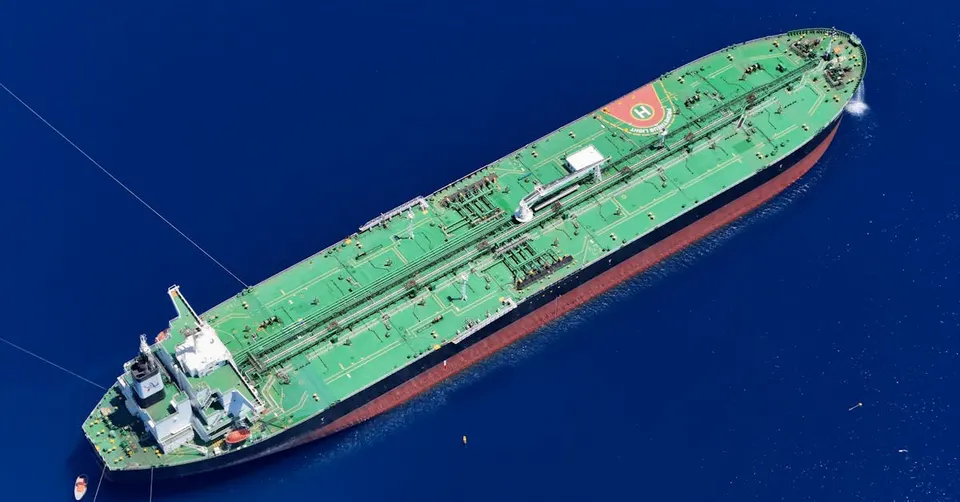
Global energy markets are bracing for a prolonged period of high costs as investment bank JP Morgan released a report predicting oil prices will remain in the "low $100s" for the remainder of 2026. This forecast holds even if the Strait of Hormuz, currently the world's most volatile maritime chokepoint, were to reopen next month. The structural damage to global supply chains is becoming evident; OPEC oil output has plummeted to a 26-year low, with production falling by 830,000 barrels per day in April alone. Countries like Kuwait have seen their crude exports drop to zero due to their total reliance on the now-blocked Strait, forcing a radical recalibration of global energy flows.
For the Iranian economy, this is a double-edged sword. While higher oil prices theoretically increase the value of national resources, the near-total closure of primary export routes and the tightening of the sanctions net mean that the Iranian treasury is unable to capitalize on these global highs. Instead, the high price of energy is fueling global inflation, which in turn raises the cost of imported goods for Iranian consumers. Saudi Arabia and Iraq have also been forced to shut-in significant production, suggesting that even a diplomatic breakthrough would not immediately restore the millions of barrels lost to the market over the last quarter.
Trump Rejects Iran Peace Terms as 'Unacceptable'
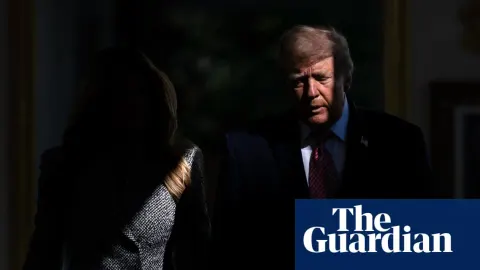
In a dramatic escalation of rhetoric, President Donald Trump has officially rejected Iran's latest response to a US-led peace proposal, labeling the terms "stupid" and "totally unacceptable." Speaking from the Oval Office, Trump asserted that the current ceasefire attempts are on "massive life support" and reiterated his administration's red line: Tehran will not be permitted to possess a nuclear weapon. This rejection comes just as Trump prepares for a high-stakes state visit to Beijing, where he will be accompanied by 17 top tech and finance CEOs to discuss energy security and the "Iran oil lifeline" with President Xi Jinping.
This diplomatic wall has immediate consequences for regional stability. Turkey’s foreign minister, Hakan Fidan, is reportedly scrambling to Qatar to mediate and ensure some level of navigational safety in the Persian Gulf, but the mood is increasingly grim. By dismissing the Iranian proposal so publicly, the US administration is signaling a move toward further maximum pressure rather than de-escalation. For the Iranian public, this translates to a loss of hope for a short-term sanctions relief package, directly impacting the psychological floor of the currency market.
Market Panic: Toman Slides as Gold Hits New Milestones
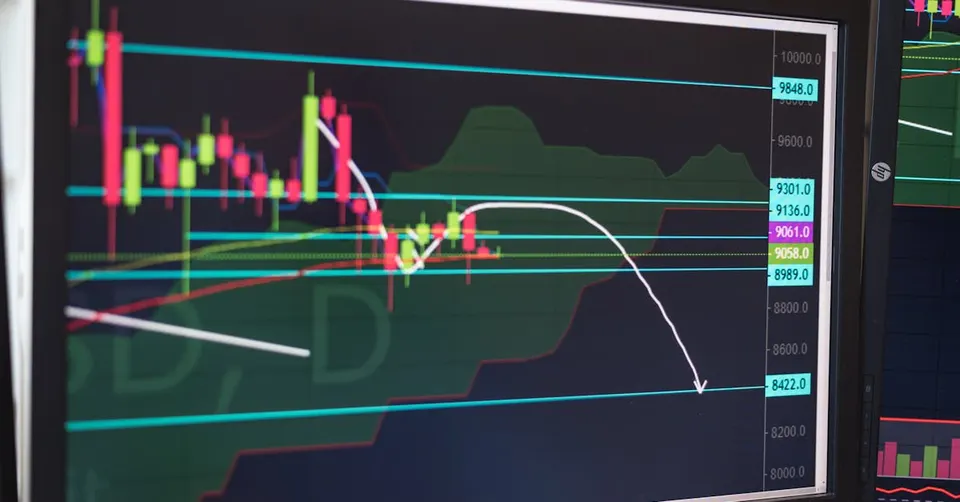
The Iranian financial markets reacted sharply to the breakdown in diplomacy. In the last 24 hours, the USD/IRR exchange rate moved from 176,800 to 181,800, representing a 2.8% depreciation of the national currency. This surge past the 180,000 mark has triggered a broader sell-off in the Toman, as savers rush toward hard assets. The Emami gold coin has reached a symbolic and record-breaking price of 200,000,000 Toman, up from 194,500,000 (+2.8%), while 18k gold per gram rose from 20,112,424 to 20,757,883 (+3.2%).
This market volatility is not occurring in a vacuum. While the domestic market struggles, the global tech sector is seeing historic gains, with Nvidia adding an entire "Oracle's worth" of market cap in just four trading days. However, for the average Iranian investor, these global equity gains are out of reach, leaving gold and the US Dollar as the only viable hedges against a deteriorating local economy. The combination of $100+ oil and a stalled peace process suggests that the upward pressure on the Dollar and gold is unlikely to subside in the coming week.
UK Political Crisis: Starmer Faces Leadership Rebellion
Across the Atlantic, the geopolitical landscape is further complicated by a deepening political crisis in the United Kingdom. Prime Minister Keir Starmer is facing a massive rebellion within the Labour Party, with four ministerial aides resigning and over 60 MPs calling for his exit. Critics argue that Starmer’s recent speeches have failed to address the economic anxieties of working-class voters, leading to a sense that the government is no longer functional. This domestic instability in a key Western ally limits the UK's ability to act as a stabilizing force in the Middle East or as a mediator between Washington and Tehran.
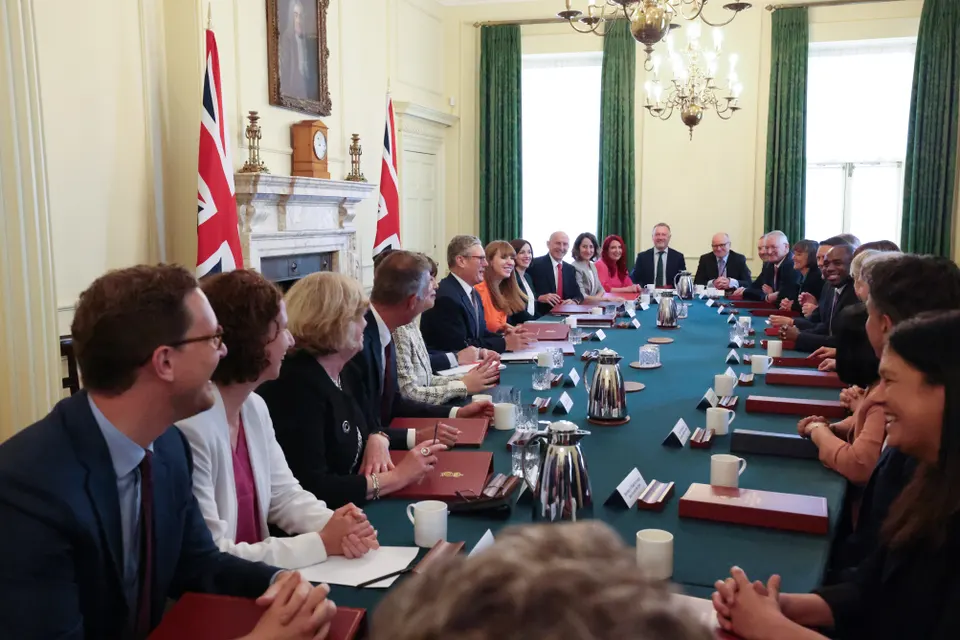
As the UK government focuses on its own survival, the international coordination required to manage the Hormuz crisis is weakening. The rebellion against Starmer is seen as a symptom of a broader Western fatigue with ongoing regional conflicts and the resulting energy inflation. For Iran, a distracted or weakened UK government often means a less coherent European policy, potentially leading to more erratic shifts in the enforcement of maritime security and trade sanctions in the months ahead.
Frequently Asked Questions
Why is JP Morgan predicting oil will stay above $100 even if the Strait of Hormuz reopens?
What were the specific reasons for Trump's rejection of the Iran peace proposal?
How did the Iranian gold market react to the latest geopolitical tensions?
What is the significance of Trump's upcoming visit to Beijing regarding Iran?
The Strategic Chokepoint: How the Strait of Hormuz Shapes Global Oil Markets
The Strait of Hormuz, a narrow waterway between Oman and Iran, is one of the world’s most critical maritime chokepoints. Roughly 20% of global petroleum—about 21 million barrels per day—passes through this 21‑kilometer-wide channel, making it a vital artery for oil‑producing nations in the Middle East and for oil‑importing economies worldwide. Its strategic significance stems not only from geography but also from the concentration of supply: the majority of the world’s largest exporters, such as Saudi Arabia, the United Arab Emirates, Kuwait, and Iraq, rely on Hormuz to reach international markets.
Because the flow of oil through Hormuz is so concentrated, any threat to its openness—whether a military incident, a mining operation, or a political blockade—can trigger immediate price spikes. Traders price in a risk premium, and even the mere perception of danger can push Brent crude and WTI futures above $100 per barrel, as seen during heightened tensions in 2019 and 2020. The price reaction is amplified by the fact that many contracts are settled in U.S. dollars, linking geopolitical risk directly to the dollar‑denominated oil market.
Historical episodes illustrate the market’s sensitivity. In 2012, Iran briefly seized two tankers, causing a temporary surge in oil prices. More dramatically, in 2019, a series of attacks on oil facilities in Saudi Arabia and a brief closure of the canal by Iranian forces sent prices soaring, prompting the U.S. and allies to dispatch naval vessels to ensure navigation. Each incident underscores how the threat of a Hormuz closure can reverberate through global supply chains, affecting everything from gasoline prices at the pump to exchange rates in oil‑dependent economies like Iran and Venezuela.
Beyond immediate price spikes, a prolonged shutdown would strain the global economy. Shipping routes would be forced around the Cape of Good Hope, adding roughly 10‑15 days to voyages and increasing freight costs by millions of dollars per shipment. This added expense would be passed on to consumers, contributing to inflationary pressures, especially in countries already grappling with weak currencies and high import bills. Moreover, the disruption could accelerate shifts toward alternative energy sources and hasten strategic stockpiling by nations seeking energy security.
Understanding the Hormuz chokepoint helps explain why political developments—such as a U.S. president’s stance toward Iran—can have outsized effects on oil prices, exchange rates, and broader economic stability. It also highlights the interconnectedness of geopolitics and markets, reminding investors and policymakers alike that a narrow strait can influence the financial health of nations far beyond the Middle East.
Topics
Related Articles