US-Iran Tensions Flare, Oil Prices Climb as Peace Hopes Fade; Bitcoin Holds Steady Amid Geopolitical Jitters
تنشها بین آمریکا و ایران شعلهور شد، قیمت نفت صعودی، امیدهای صلح کمرنگ؛ بیتکوین در میان نوسانات ژئوپلیتیک ثابت ماند
Overnight, US-Iran relations deteriorated further as President Trump declared the ceasefire 'on life support' and Tehran responded defiantly, immediately impacting global oil prices. Meanwhile, Bitcoin held its ground around $81,000, navigating geopolitical risks and upcoming US economic data. Shipping opacity in the Strait of Hormuz also raised new concerns for global trade.
At time of publishing
USD
181,800
Toman
Gold 18K
20.76M
Toman / gram
Bitcoin
$81,218
US Dollar
Tether
18,331.2
Toman
Market Open
USD/IRR remained remarkably stable at 181,800 Toman, showing no discernible change over the past 24 hours. This steadfastness suggests a market holding its breath, perhaps absorbing the latest geopolitical developments without immediate panic. Gold 18k/gram mirrored this calm, also holding steady at 20,757,883 Toman, indicating a similar wait-and-see posture within the domestic precious metals market, despite global undercurrents.
However, the Emami coin offered a slight counter-narrative, registering a modest 1.0% increase, climbing from 200,000,000 to 202,000,000 Toman. This uptick could signal a cautious reallocation of capital towards traditional hard assets by some investors, seeking a hedge against the rising international uncertainties. It's a subtle yet telling move in a market otherwise characterized by inertia, hinting at underlying anxieties.
In the ever-dynamic crypto landscape, Bitcoin is currently trading around $81,218, having found a relatively stable footing after briefly touching $82,000 overnight. Ethereum stands at $2,310.26, and USDT at 18,331 Toman. These figures reflect a digital asset market grappling with both its intrinsic volatility and the significant external pressures from escalating geopolitical tensions, particularly those impacting US-Iran relations, and the anticipation of crucial US CPI data.
US-Iran Tensions Flare as Peace Hopes Fade
Overnight, the already fragile relationship between the United States and Iran took another turn for the worse, as US President Donald Trump declared the ceasefire with Iran to be "on life support." He further stated that he is actively considering restarting US Navy military escorts in the Persian Gulf, a move laden with potential for increased friction. This aggressive stance comes after Trump dismissed Iran's response to a US peace deal proposal as "garbage," citing Tehran's "unacceptable" demands. The rhetoric from the Iranian side was equally unyielding, with Ali Akbar Velayati, a senior advisor to the Leader of the Islamic Revolution, publicly mocking Trump and asserting that the US president would be defeated in diplomacy just as he would on the battlefield. This exchange underscores a significant and worrying deterioration in diplomatic efforts.
The renewed escalation is rooted in a profound chasm between the two nations' expectations and conditions for any potential peace agreement. Washington's specific set of concessions was met with Iranian counter-proposals that the US found entirely unworkable, effectively slamming the door on any immediate de-escalation. Trump's swift and categorical rejection, coupled with Velayati's sharp retort, vividly illustrates the deep-seated mistrust and the entrenched, diametrically opposed positions that continue to define this volatile relationship. The mere consideration of reintroducing US Navy escorts in the region sends a clear signal of heightened readiness to project power, a move that Tehran is almost certain to view as a direct provocation, raising the stakes considerably.
For the global economy, and especially for the sensitive regional markets including Iran, these developments carry profound implications. The immediate consequence was a noticeable uptick in crude oil prices, with Brent crude pushing towards $105 per barrel. This rise directly reflects an increased geopolitical risk premium being priced into energy markets, as any perceived threat to shipping or stability in the Strait of Hormuz – the world's most critical oil chokepoint – could have catastrophic global economic consequences. For Iranian citizens, this heightened tension translates into persistent uncertainty for currency values, potential disruptions to international trade, and an enduring shadow over broader economic stability, influencing everything from daily inflation expectations to long-term investment strategies. The current rhetoric highlights a dangerously volatile environment where a single miscalculation could trigger far-reaching and undesirable outcomes.

Opacity in the Strait of Hormuz Raises Shipping Concerns
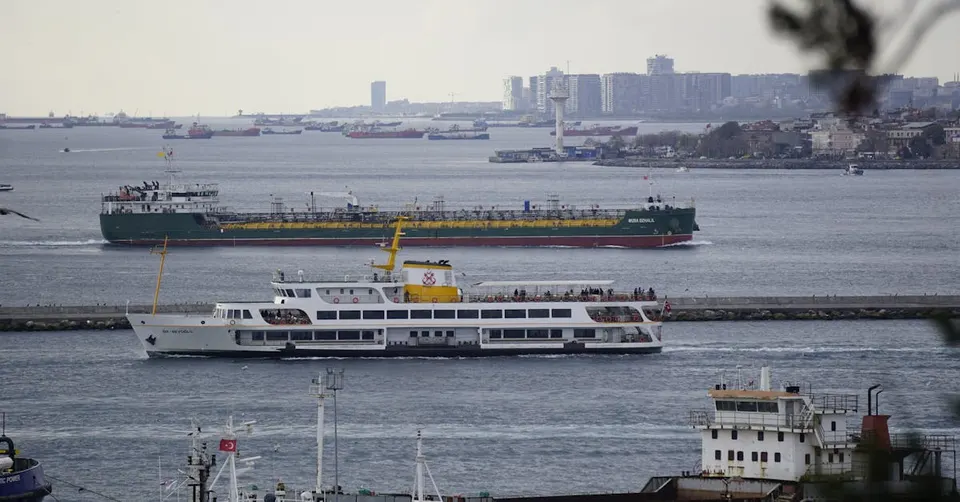
A recent report has brought to light an increasing and concerning trend of "shady shipping" within the Strait of Hormuz, a vital artery for global maritime trade. The report indicates that a growing number of vessels navigating this critical waterway are deliberately employing tactics to evade detection, obscuring their identities, origins, and ultimate destinations. This murkiness in such a strategically significant chokepoint points to a darker, more clandestine side of global shipping, raising alarm bells about potential illicit activities, sanctions evasion, or other unregulated operations that bypass international oversight.
The motivations behind this surge in opaque shipping practices are manifold, but they predominantly revolve around the circumvention of international sanctions, particularly those targeting oil shipments from specific entities, and other forms of illegal trade. By resorting to methods such as deactivating AIS (Automatic Identification System) transponders, manipulating digital tracking data, or conducting clandestine ship-to-ship transfers in open waters, these vessels aim to operate beyond the reach of international monitoring and regulatory bodies. The significant financial incentives for bypassing trade restrictions or engaging in smuggling make these high-risk operations attractive, while the sheer volume of legitimate traffic through the Strait regrettably provides ample cover for these illicit activities, making detection and enforcement an uphill battle for naval forces and surveillance agencies alike.
For global commerce and the intricate web of regional stability, the implications of this growing opacity are substantial. The proliferation of "shady shipping" directly undermines international efforts to enforce sanctions compliance, particularly impacting the global energy markets and the effectiveness of diplomatic pressures designed to alter state behavior. For nations like Iran, where the Strait of Hormuz represents an indispensable economic lifeline, any perceived erosion of transparency or control within this waterway can exacerbate existing tensions, potentially inviting more intense scrutiny and more assertive enforcement actions from international powers. Furthermore, this unregulated activity introduces heightened environmental risks and challenges to maritime safety, as unidentifiable vessels operating outside established regulations could be involved in accidents or pollution incidents without any clear accountability, ultimately impacting trade routes, insurance premiums, and the overall cost of shipping for all legitimate actors.
Bitcoin Steadies Amid Geopolitical Jitters and Economic Focus
Bitcoin's price has demonstrated a notable resilience, consolidating around the $81,000 threshold after briefly pushing past $82,000 in overnight trading. This period of relative stability in the cryptocurrency market comes at a time when global financial narratives are dominated by a complex interplay of escalating geopolitical tensions, particularly the renewed US-Iran rhetoric, and an acute focus on pivotal upcoming economic data, most notably the US Consumer Price Index (CPI). While some major altcoins, such as Solana (SOL) and Dogecoin (DOGE), managed to register gains, the overarching sentiment across the crypto market remains one of measured caution, as traders carefully weigh macro risks against the asset class's inherent volatility and growth potential.
The underlying reasons for Bitcoin's current composure, even amidst a backdrop of rising global uncertainty, speak to its evolving perception among a segment of investors. Increasingly, Bitcoin is viewed as a potential, albeit highly volatile, safe-haven asset, attracting capital during periods of conventional market instability. Geopolitical flare-ups, especially those with direct implications for global oil prices and broader market risk appetite, often prompt a strategic shift towards alternative assets, and for a growing cohort of sophisticated investors, Bitcoin now features in this diversification strategy. Concurrently, the imminent release of the US CPI data is a critical barometer for future Federal Reserve monetary policy. An inflation reading that exceeds expectations could reinforce a hawkish stance from the Fed, potentially dampening enthusiasm for risk-on assets like cryptocurrencies. Conversely, a softer inflation figure might provide a much-needed tailwind for the crypto market, fueling hopes for more accommodative policies. This dual focus on international politics and domestic monetary policy creates a delicate and intricate balance for Bitcoin's short-term price trajectory.
For investors, particularly those in Iran who are actively exploring alternative asset classes to preserve wealth, Bitcoin's current stability around $81,000 presents a nuanced outlook. On one hand, this resilience in the face of significant global headwinds suggests a degree of market maturity and a potentially firmer price floor at this level, marking a departure from its earlier, more erratic cycles. On the other hand, the persistent macroeconomic and geopolitical uncertainties imply that any substantial upward momentum might remain constrained until clearer signals emerge from both the Washington-Tehran diplomatic impasse and the critical US inflation figures. The prevailing cautious trading sentiment, characterized by a mix of opportunistic buying on rallies and strategic positioning for potential downside, indicates that while the immediate price dip may have been absorbed, a decisive and sustained breakout is not yet firmly on the horizon. This complex environment necessitates a highly strategic, patient, and well-informed approach for those considering engagement with digital assets.
Frequently Asked Questions
How do US-Iran tensions affect global oil prices?
What is 'shady shipping' and why is it a concern in the Strait of Hormuz?
How does the US CPI data influence Bitcoin's price?
Why did the Emami coin rise while USD/IRR and gold remained stable?
What are the 'unacceptable demands' from Iran that Trump referred to regarding the peace deal?
Topics
Related Articles