Starmer Defies Resignation Calls as UK Gilts Hit 28-Year High; US Iran War Bill Soars to $29B
پافشاری استارمر بر قدرت و جهش نرخ بهره در بریتانیا؛ هزینه جنگ ایران برای آمریکا به ۲۹ میلیارد دلار رسید
British PM Keir Starmer is fighting for his political life as UK borrowing costs skyrocket to levels not seen since 1998. Meanwhile, the Pentagon has revised the cost of the Iran conflict upward to $29 billion as the UK deploys more assets to the Strait of Hormuz.
At time of publishing
USD
181,200
Toman
Gold 18K
20.48M
Toman / gram
Bitcoin
$80,741
US Dollar
Tether
18,092.1
Toman
Political Chaos in London Drives UK Borrowing Costs to 28-Year Highs
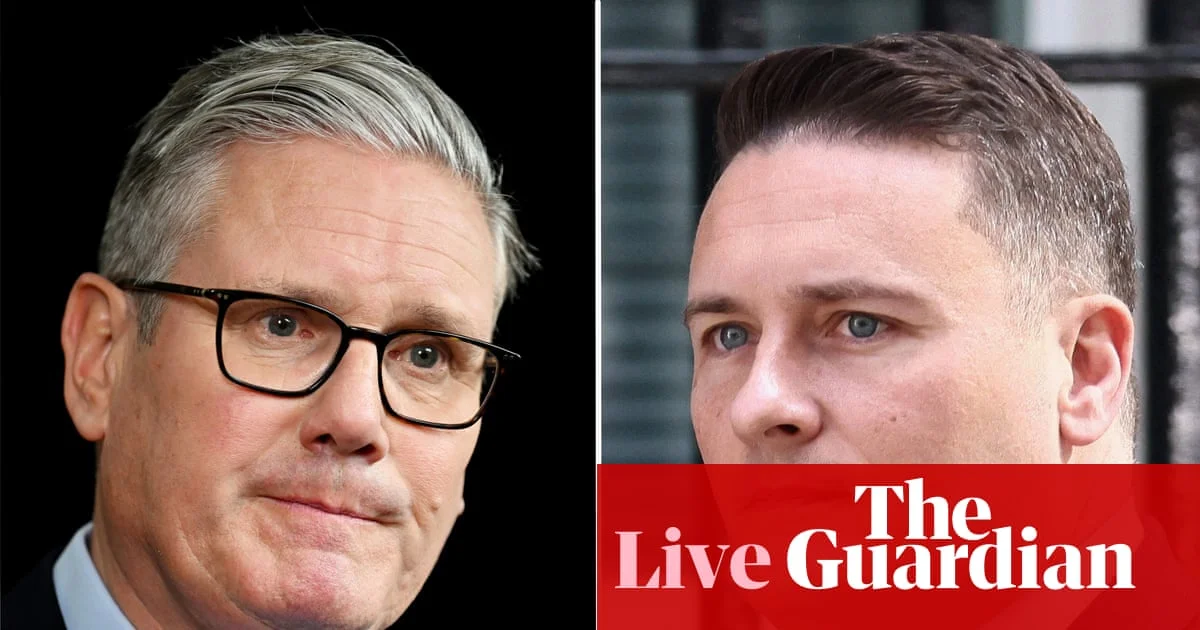
British Prime Minister Keir Starmer is currently facing the most significant challenge of his premiership, as he defies growing calls to resign following devastating local election losses. Despite dozens of Labour Party lawmakers urging him to step down and several ministerial resignations, Starmer has vowed to continue, telling his cabinet he will not quit without a formal leadership challenge. This political vacuum has sent shockwaves through the financial markets, with the yield on 30-year government bonds, or gilts, surging to 5.81%. This represents a 28-year high, a level of borrowing cost not seen in the United Kingdom since 1998, reflecting deep investor anxiety over the future of British fiscal policy and leadership stability.
The market's reaction is a direct response to the uncertainty surrounding the Labour Party's future tax and spending plans. As Darren Jones, the chief secretary to the Treasury, avoids direct questions regarding the Prime Minister’s next moves, the pound has struggled against the dollar. For global investors, including those in the crypto space, this instability in a major G7 economy contributes to a 'risk-off' sentiment. When traditional safe-haven assets like government bonds become volatile, liquidity often tightens across the board, affecting everything from equity markets to the demand for digital assets like Bitcoin, which currently sees its market dominance hovering around 58%.
Pentagon Revises Iran War Cost to $29B as Naval Escalation Intensifies
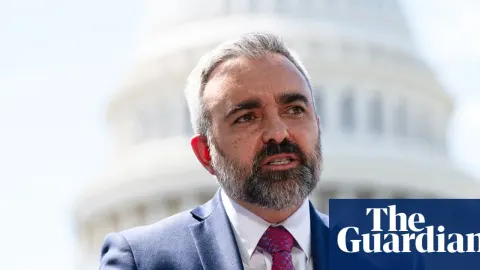
In a heated budget hearing on Capitol Hill, the Pentagon's chief financial official, Jules Hurst III, revealed that the estimated cost of the ongoing military conflict with Iran has escalated significantly. Initially pegged at $25 billion for the first two months, the figure has now been revised upward to $29 billion. This surge in spending highlights the immense logistical and operational drain the conflict is placing on the U.S. budget. The hearing was marked by sharp exchanges between FBI Director Kash Patel and Senate Democrats, illustrating the deepening political divide in Washington over the sustainability of the current military strategy in the Middle East.
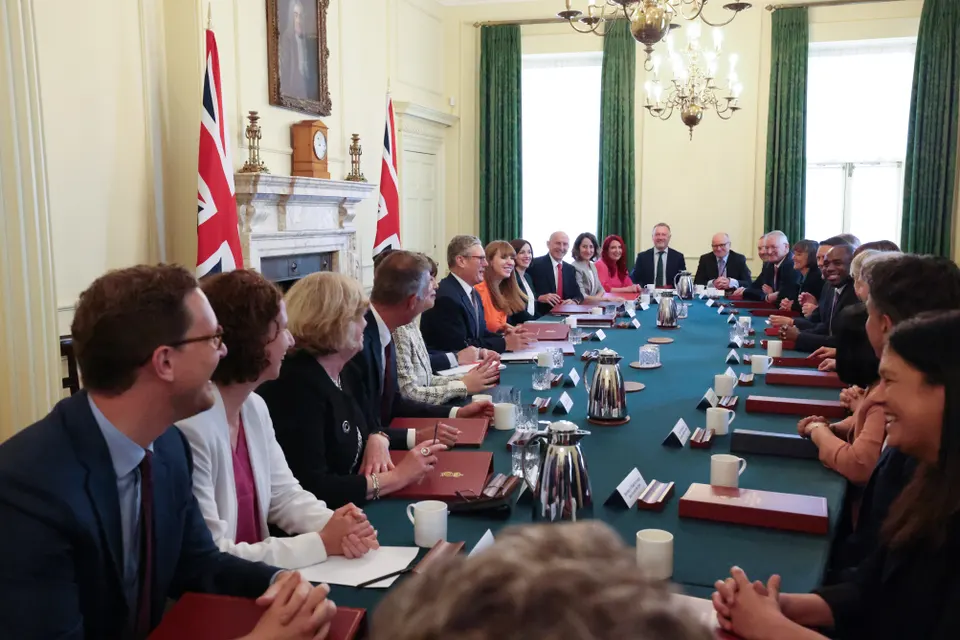
Simultaneously, the United Kingdom is ramping up its presence in the region. The Ministry of Defence has promised to deploy advanced jets, drones, and a warship to join a 40-nation mission aimed at defending the Strait of Hormuz. This move comes as reports emerge of Iran utilizing 'mosquito boats'—small, highly maneuverable vessels—to harass shipping and bypass traditional naval defenses. These tactics have effectively crippled several key passageways, forcing international powers to rethink their maritime security strategies. The combination of rising financial costs and the evolving nature of asymmetric warfare in the Strait is keeping global energy markets on edge, even as local Tehran markets experience a brief consolidation.

Market Snapshot: Tehran Prices Dip Amid Global Uncertainty
Despite the escalating rhetoric and military movements, the Tehran currency and gold markets have seen a slight downward correction over the last 24 hours. The USD/IRR exchange rate moved from 181,800 to 181,200, marking a 0.3% decrease. This minor dip suggests that while the geopolitical situation remains tense, some of the immediate panic has been priced in, or local demand has temporarily cooled following the recent highs. Similarly, Gold 18k/gram fell from 20,757,883 to 20,475,091 Toman, a 1.4% drop, while the Emami coin decreased by 1.5%, moving from 200,000,000 to 197,000,000 Toman.
This cooling period in the Iranian market mirrors a broader global trend of 'waiting for the next shoe to drop.' As Trump and Xi Jinping prepare for their summit in Beijing, the shadow of the Iran war looms large, distracting the two superpowers from addressing long-standing trade disputes. For the Iranian investor, the current stability is fragile; any significant movement in the Strait of Hormuz or a breakthrough in the U.S. political deadlock could immediately reverse these trends. Bitcoin's dominance at 58% indicates that crypto investors are also consolidating, seeking the relative safety of the largest digital asset as they navigate an increasingly unpredictable global landscape.
Frequently Asked Questions
Why are UK bond yields hitting 28-year highs?
How is the US calculating the $29 billion cost of the Iran conflict?
What are 'mosquito boats' and why are they effective in the Strait of Hormuz?
How is the UK political crisis affecting the cryptocurrency market?
Understanding Government Bonds and Yields: The Case of UK Gilts
When news headlines report "UK Gilts Hit 28-Year High," it signals a significant economic event related to how governments finance their operations and debt. Government bonds, known as "gilts" in the United Kingdom, are essentially IOUs issued by the government to borrow money from investors. When you buy a gilt, you're lending money to the UK government, and in return, they promise to pay you regular interest payments (coupons) and return your principal investment at a specified maturity date. They are considered among the safest investments because they are backed by the full faith and credit of the issuing government.
The "yield" on a bond is the return an investor receives relative to its price. There's an inverse relationship between bond prices and yields: when bond prices fall, yields rise, and vice-versa. A "28-year high" in UK gilt yields means that investors are demanding a much higher return to lend money to the British government than they have in nearly three decades. This typically happens when the perceived risk of lending to the government increases, or when there's a higher demand for government borrowing, or when inflation expectations are rising, eroding the future purchasing power of fixed interest payments.
Several factors can drive bond yields higher. Political instability, such as challenges to a ruling party or leader (like the mention of Keir Starmer's challenges), can make investors nervous about future economic policy and fiscal discipline. Geopolitical risks, like the potential for increased military spending due to conflicts (such as the "US Iran War Bill"), can signal larger government deficits and borrowing needs. Additionally, if investors anticipate higher inflation, they will demand a greater yield to compensate for the erosion of their money's value over time.
Another crucial factor influencing gilt yields is the central bank's monetary policy. When the Bank of England raises its benchmark interest rate, it generally pushes up the yields on new government bonds and can also impact the market value of existing gilts. This is because higher interest rates make alternative investments more attractive, prompting investors to demand a higher yield from gilts to remain competitive.
The implications of high gilt yields are substantial. For the UK government, it means the cost of borrowing money to fund public services, infrastructure projects, or even existing debt becomes significantly more expensive. This can strain public finances, potentially leading to cuts in spending or increases in taxes. Furthermore, government bond yields often serve as a benchmark for other interest rates in the economy, influencing everything from mortgage rates for homeowners to borrowing costs for businesses, thereby impacting the broader economy.
Topics
Related Articles