Sarkozy Faces Libya Trial Sentencing as Australia Deploys Surveillance Planes to the Strait of Hormuz
صدور حکم سارکوزی و اعزام هواپیماهای پیشرفته استرالیا به تنگه هرمز در پی تنشهای منطقهای
Former French President Nicolas Sarkozy awaits a critical sentencing in the Libya funding scandal, while Australia announces a high-tech military deployment to the Strait of Hormuz. Meanwhile, gold prices in Iran continue their upward trend as global markets eye the Trump-Xi summit in Beijing.
At time of publishing
USD
181,200
Toman
Gold 18K
20.63M
Toman / gram
Bitcoin
$80,882
US Dollar
Tether
17,990
Toman
The Sarkozy Sentencing: A Precedent for Western-Middle Eastern Diplomacy
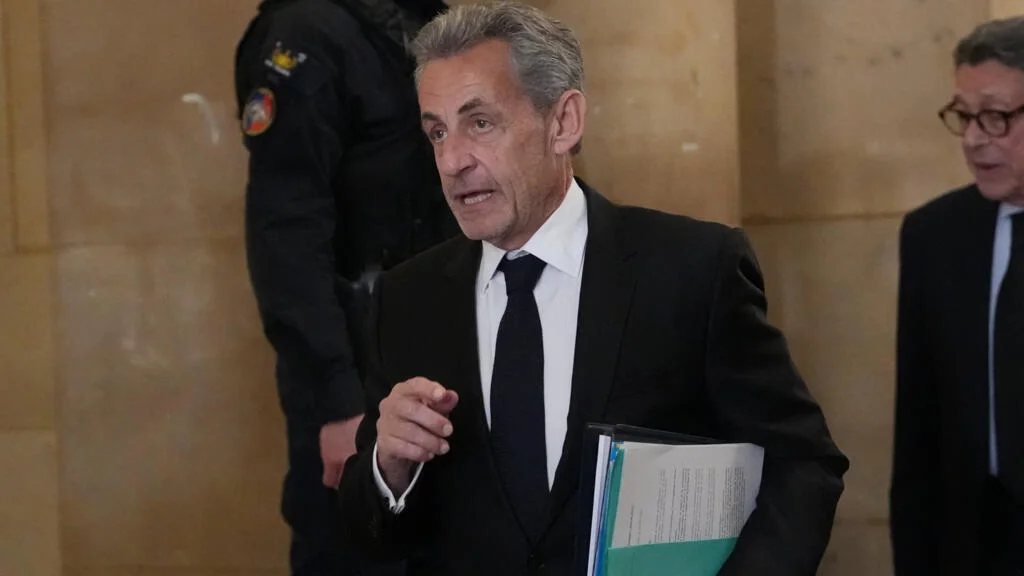
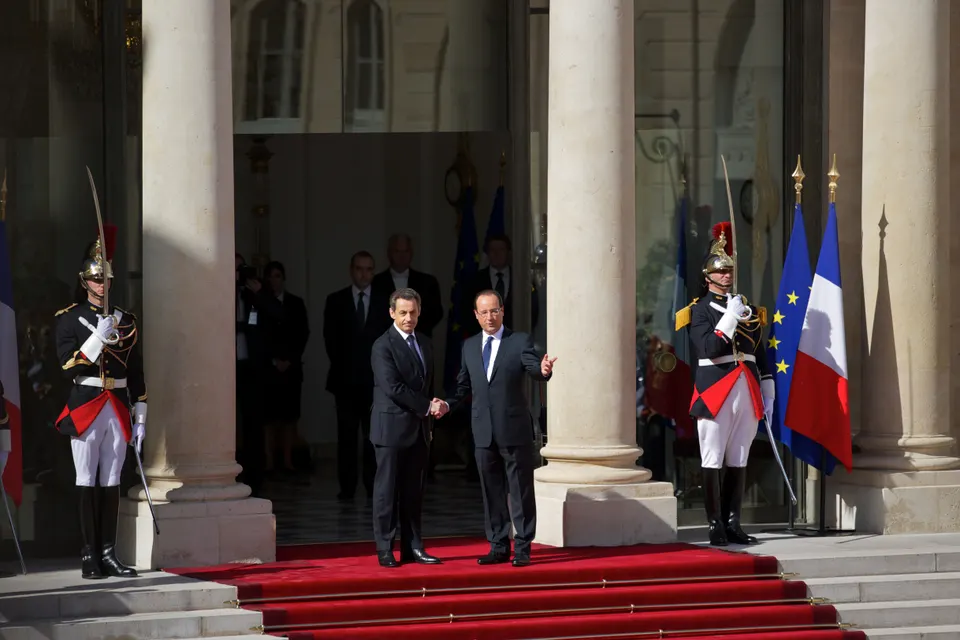
Former French President Nicolas Sarkozy is facing a pivotal moment in Paris as prosecutors prepare to announce requested sentences in his high-profile appeal trial. The case, which involves allegations of illegal campaign funding from Libya’s late dictator Muammar Gaddafi during the 2007 election, has long cast a shadow over French diplomatic history in North Africa. Sarkozy, who has already experienced the ignominy of being the first modern French president to serve time behind bars, continues to deny the charges. However, the legal pressure highlights a growing trend of accountability for Western leaders regarding their opaque financial ties to Middle Eastern regimes.
For readers in Iran and the broader region, this trial is more than just a European political scandal. It represents the complex and often clandestine financial networks that have historically linked Western power centers with oil-rich autocracies. A conviction or a harsh sentencing recommendation would signal that the era of "off-the-books" diplomacy between Europe and the MENA region is under intense judicial scrutiny. This shift could influence how current and future European administrations manage their relationships with regional powers, potentially leading to more transparent but also more rigid diplomatic engagements.
Australia Joins the Hormuz Mission Amid Budget Turmoil
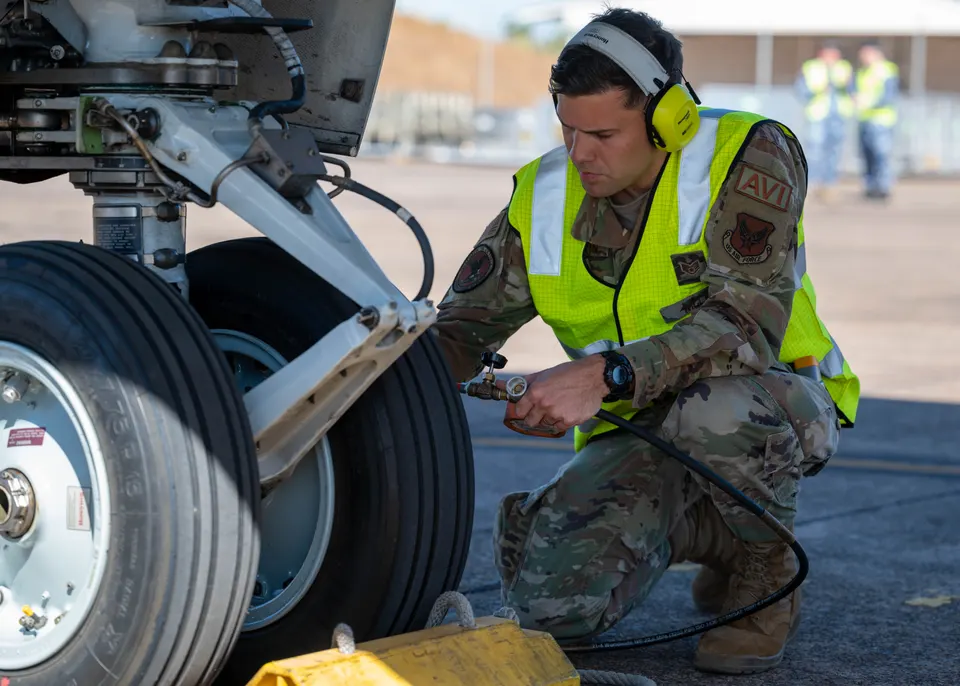
In a move that directly impacts regional security, the Australian government has announced it will contribute its world-leading E-7A Wedgetail surveillance aircraft to a multinational mission aimed at reopening and securing the Strait of Hormuz. Prime Minister Anthony Albanese’s administration framed the move as a necessary step to protect freedom of navigation, which is vital for Australia’s economic interests. This announcement comes as part of the 2026 Budget rollout, which has seen domestic controversy, including a significant 10% drop in Commonwealth Bank (CBA) shares as bank stocks slide under new fiscal pressures.
This deployment is a significant escalation in international military presence near Iranian waters. The E-7A Wedgetail is a highly sophisticated platform capable of long-range surveillance and maritime control, meaning its presence will provide the coalition with unprecedented real-time data on vessel movements in the chokepoint. For the Iranian market, such military developments often correlate with increased risk premiums in shipping and insurance, which can indirectly pressure the cost of imported goods. While the mission is described as "defensive," the arrival of high-tech Western assets in the Persian Gulf typically triggers a reciprocal alert status from regional forces, maintaining a high floor for geopolitical tension.
Market Watch: Gold Rises as Trump and Tech Titans Land in Beijing
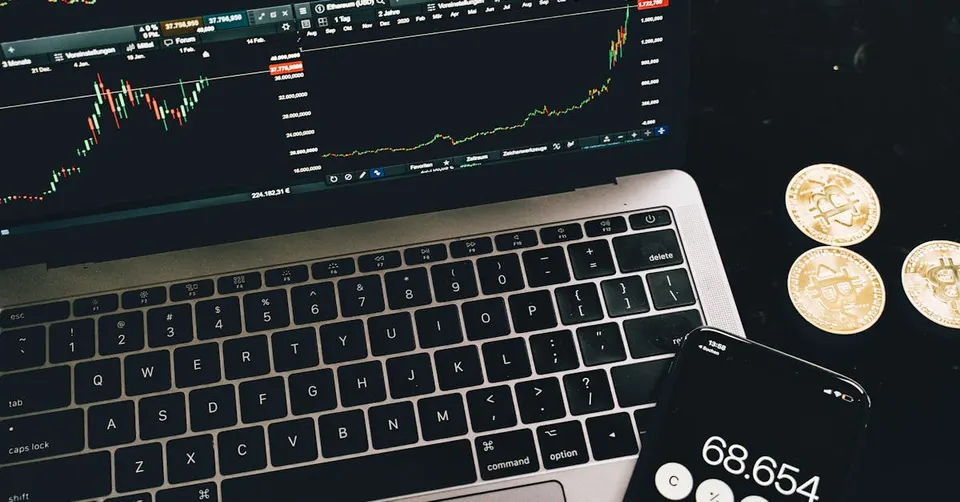
Domestic markets in Iran are showing signs of cautious movement this Wednesday. The price of 18k gold per gram has risen from 20,475,091 to 20,633,916 Toman, marking a 0.8% increase over the last 24 hours. Similarly, the Emami coin has edged up by 0.5% to reach 198,000,000 Toman. These gains come despite a stable USD/IRR rate, which remains flat at 181,200 Toman. The uptick in gold suggests that local investors are hedging against potential volatility as international headlines focus on the high-stakes summit between President Trump and China’s Xi Jinping.
The presence of tech giants like Elon Musk and Nvidia’s Jensen Huang on Trump’s trip to Beijing underscores the economic gravity of this meeting. The discussions are expected to pivot between the global AI arms race and the security of trade routes, specifically the Strait of Hormuz, where a Chinese tanker was recently seen testing safe passage. Bitcoin remains steady around the $81,000 mark (currently $80,882), reflecting a broader market that is "waiting and seeing." For the Iranian observer, the outcome of the US-China talks regarding the Strait of Hormuz will be the primary driver of market sentiment in the coming days, as any deal involving energy transit could either alleviate or exacerbate current sanctions-related pressures.
Frequently Asked Questions
Why is Australia sending military planes to the Strait of Hormuz?
What are the charges against Nicolas Sarkozy regarding Libya?
How is the Iranian gold market reacting to global tensions?
Understanding Maritime Chokepoints: The Strategic Significance of the Strait of Hormuz
In geopolitics and global economics, certain narrow sea passages hold immense strategic importance. These are known as maritime chokepoints, and they are critical for the flow of international trade, particularly energy supplies. A chokepoint is a geographical feature that forces traffic into a constricted route, making it vulnerable to disruption. Their closure or obstruction can have immediate and far-reaching consequences for global markets, energy security, and international relations.
One of the most vital maritime chokepoints in the world is the Strait of Hormuz. Located between the Persian Gulf and the Arabian Sea, it is the only sea passage from the Persian Gulf to the open ocean. This narrow waterway is exceptionally important because a significant portion of the world's seaborne oil — roughly one-fifth of global consumption — passes through it daily, along with substantial volumes of liquefied natural gas (LNG). Countries bordering the Persian Gulf, including Saudi Arabia, Iran, Iraq, Kuwait, Qatar, and the UAE, rely on the Strait for their energy exports.
The strategic importance of the Strait of Hormuz makes it a focal point for international security concerns. Any threat to navigation through this chokepoint, whether from military conflict, piracy, or political instability, can lead to dramatic spikes in global oil and gas prices, disrupt supply chains, and trigger economic crises worldwide. This is why nations like Australia, as mentioned in the headline with its deployment of E-7A Wedgetail surveillance planes, contribute to multinational efforts to ensure its security and freedom of navigation, highlighting the collective interest in maintaining stability in such critical global arteries.
Understanding maritime chokepoints like the Strait of Hormuz is crucial for comprehending global energy markets, international security dynamics, and the rationale behind military deployments in distant regions. These geographical features are not merely lines on a map; they are arteries of global commerce, whose unimpeded flow is essential for the world economy.
Topics
Related Articles