Australia's Budget Sparks Fury, Commits to Hormuz Mission Amid Global Political Headwinds
بودجه استرالیا خشم میآفریند، تعهد به تنگه هرمز در بحبوحه چالشهای سیاسی جهانی
Australia's latest budget has ignited a political firestorm domestically, but its commitment to a critical Strait of Hormuz mission carries significant geopolitical weight for global energy security. Meanwhile, high-stakes diplomacy between the US and China, with Iran on the agenda, hints at shifting sands in international relations, while Europe continues to navigate a complex relationship with a resurgent Trump.
At time of publishing
USD
181,200
Toman
Gold 18K
20.48M
Toman / gram
Bitcoin
$80,984
US Dollar
Tether
18,010.2
Toman
Market Open
The morning opens with a sense of calm in key Iranian markets, though global political currents suggest underlying volatility. The USD/IRR exchange rate held steady overnight, remaining at 181,200 Toman, showing no change in its 24-hour delta. Similarly, the benchmark Gold 18k/gram price also saw no movement, holding firm at 20,475,091 Toman, mirroring the stability in the Emami coin, which maintained its 197,000,000 Toman valuation. This flat performance suggests a wait-and-see approach domestically, perhaps buffering against the swirling political narratives impacting major economies abroad, including the ongoing political instability in the UK where Keir Starmer's leadership is under intense scrutiny [2].
Globally, the crypto market offers a slightly more dynamic picture. Bitcoin (BTC) is trading around $80,984, while Ethereum (ETH) stands at $2,296.77. USDT, a key stablecoin, is fetching approximately 18,010 Toman. These figures reflect a broader market that, despite recent gains, remains highly sensitive to macroeconomic indicators and geopolitical shifts. The stability in local markets, juxtaposed with global uncertainties, highlights a cautious environment where investors are weighing domestic factors against a backdrop of international flux.
Australia's Budget Sparks Fury, Commits to Hormuz Mission
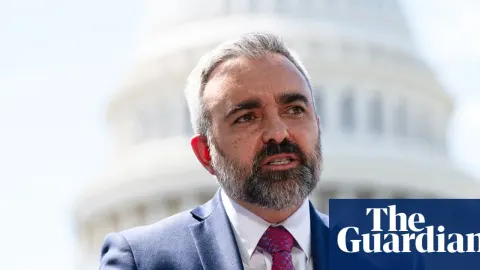
Australia’s political landscape is currently ablaze following the release of its 2026 budget, a fiscal blueprint that has ignited fierce debate and accusations of political farce. Prime Minister Albanese is defending significant changes to negative gearing and capital gains tax, policies intended to give younger generations a "fighting chance" in the housing market. However, the opposition Coalition has vehemently attacked these measures, leading to heated exchanges in parliament, with two Liberal MPs even being ejected during question time [3]. This internal strife highlights deep divisions over economic policy and the future direction of the country, reflecting a broader trend of political fragmentation seen in many Western democracies.
Beyond the domestic squabbles, a critical foreign policy commitment has emerged from Canberra: Australia will join an international mission to reopen the Strait of Hormuz. This involves deploying a highly advanced E-7A Wedgetail surveillance aircraft to the region. While the platform is already operating there, its dedicated contribution to securing freedom of navigation in the Strait underscores the global importance of this vital chokepoint. For Iranian readers, this move signifies increased international military presence in a critical waterway, potentially impacting regional dynamics and energy security, especially given the ongoing tensions and the Strait's role in global oil trade. The Australian government explicitly stated its desire to see the conflict end and the Strait reopen, acknowledging the significant impact its closure has on Australia and the global economy. This commitment, amidst domestic political turmoil including controversial statements by figures like Senator Malcolm Roberts regarding the Bondi attack [10], indicates a clear prioritization of international stability despite internal distractions.
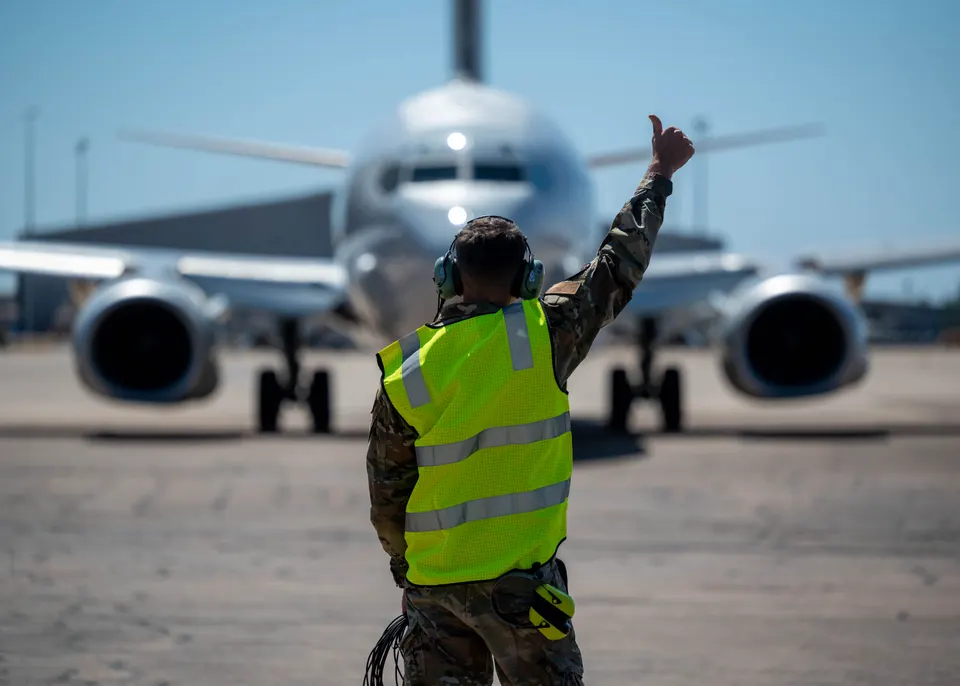
The allocation of such a valuable asset to the Strait of Hormuz mission, even as the government faces a political firestorm over its budget, demonstrates the perceived urgency of maintaining maritime security. This decision, emerging from a government battling accusations of reducing the opposition to a "farce" [3], reflects a broader geopolitical calculation where global energy supply lines take precedence. The long-term implications for regional stability, shipping costs, and global oil prices are substantial, directly affecting economies worldwide, including Iran, which relies heavily on these waters for its own trade and strategic positioning.
Trump's China Trip: High Stakes for Global Commerce and Iran
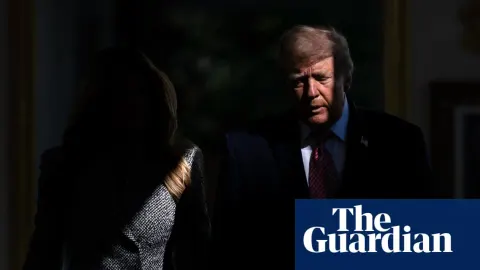
Former President Trump’s high-profile trip to China, accompanied by a delegation of top US tech and finance executives including Apple’s Tim Cook and Tesla’s Elon Musk, signals a critical moment for US-China relations and has significant implications for Iran. The agenda for talks with President Xi Jinping reportedly includes pressing economic and geopolitical issues, with Iran and Taiwan explicitly named as key discussion points [1]. The presence of figures like Brett Ratner, a filmmaker scouting locations for "Rush Hour 4," adds an unusual cultural dimension to what is otherwise a serious diplomatic mission, highlighting the multifaceted nature of US-China engagement.
This visit comes at a time of heightened global uncertainty, with the US and China grappling with their economic interdependence and geopolitical rivalries. The inclusion of Iran in the discussions underscores its persistent role as a flashpoint in international affairs, particularly concerning regional stability and global energy markets. Any agreements or disagreements between Trump and Xi on Iran could dramatically influence sanctions regimes, oil prices, and the broader security architecture of the Middle East. For Iranian businesses and policymakers, these discussions are crucial, as they could shape future trade relationships, investment flows, and the diplomatic leverage of Tehran on the world stage.

The convergence of economic titans and political leaders on this trip suggests that the US is keen to leverage its corporate power in its diplomatic efforts. The discussions are not just about trade imbalances or technology transfer but also about establishing a framework for managing global flashpoints. The fact that Europe has also been trying to adopt a "Trumpian Tactic" of "no apologies" [7] when dealing with the US on the fallout from "America's war in Iran" further complicates the picture, indicating a fragmented Western approach to Iran. The outcomes of these US-China talks will undoubtedly resonate across financial markets and geopolitical landscapes, offering a glimpse into the future of global power dynamics and their direct impact on the region.
Europe's "No Apologies" Stance on Iran Fallout
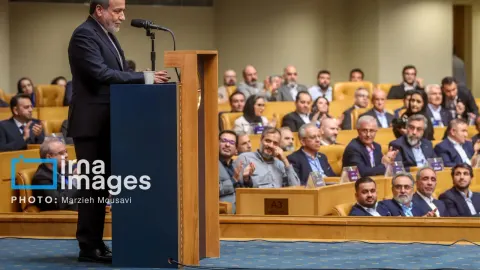
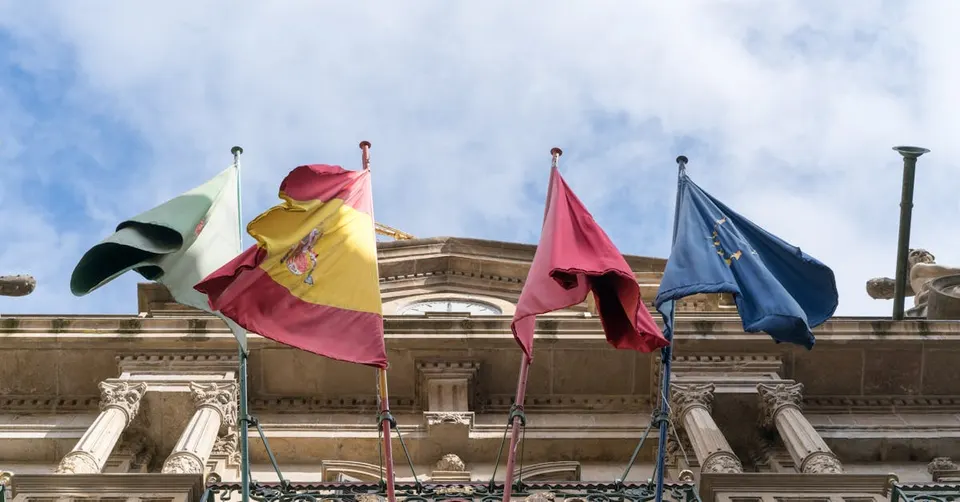
In a notable shift in transatlantic relations, European leaders are reportedly adopting a "Trumpian Tactic" when dealing with the former US President: a resolute stance of "no apologies." This approach has emerged as Europe grapples with the fallout from what is described as "America’s war in Iran." European leaders, stuck with the consequences of US policy, have publicly criticized the president, and crucially, have refused to back down when met with his anger [7]. This marks a departure from previous diplomatic norms, signaling a desire for greater autonomy and a more assertive European foreign policy, particularly concerning the Middle East.
This developing dynamic has significant implications for Iranian readers. It suggests a potential divergence in how Europe and the US might approach Iran-related issues in the future, even if Trump were to return to power. A more independent European stance could mean different approaches to sanctions, trade, and diplomatic engagement, potentially opening new avenues or presenting new challenges for Tehran. It also highlights the deep fissures that have emerged in the transatlantic alliance, exacerbated by past US policies in the region and European frustration over being left to manage the repercussions.
The "no apologies" tactic is not merely symbolic; it represents a strategic recalibration by European powers seeking to protect their own interests and influence on the global stage. As the global political climate grows more fragmented, with various nations and blocs asserting their sovereignty, this European approach could lead to a more multipolar world order. For Iran, understanding these nuanced shifts in international diplomacy is crucial for navigating its complex geopolitical environment and formulating effective foreign policy responses.
Frequently Asked Questions
What are the main points of Australia's 2026 budget and why is it controversial?
How does Australia's commitment to the Strait of Hormuz mission affect the region and Iran?
What are the key topics of discussion during Trump's trip to China, especially concerning Iran?
What is Europe's 'Trumpian Tactic' and what does it mean for Iran-Europe relations?
How does global political instability, such as in the UK, influence market sentiment?
The Strategic Importance of the Strait of Hormuz
The Strait of Hormuz is one of the world’s most critical maritime chokepoints, a narrow 21‑mile passage that connects the Persian Gulf with the open ocean. Roughly a third of the world’s daily oil supply – about 20 million barrels – flows through this corridor, making any disruption a direct threat to global energy markets and, consequently, to the stability of national economies.
Because of its outsized influence on oil prices, the strait is a focal point of geopolitical competition. Nations that can threaten or secure passage gain a powerful lever in diplomatic negotiations. Iran, which borders the strait, has repeatedly threatened to close it in response to sanctions or military pressure, while the United States maintains a continuous naval presence to assure free navigation and deter hostile actions.
The concept of a “strategic chokepoint” helps explain why the Hormuz mission in Australia’s recent budget draws intense scrutiny. A chokepoint is a narrow geographic feature—such as a strait, canal, or mountain pass—through which a disproportionate amount of trade must pass. Control or disruption of a chokepoint can amplify a country’s strategic reach far beyond its size or economic weight, turning regional disputes into global market shocks.
For investors and policymakers, the risk associated with Hormuz is reflected in higher oil price volatility and a geopolitical risk premium baked into commodity pricing. When tensions rise, traders often price in the possibility of supply interruptions, leading to sharper price swings and tighter market sentiment across asset classes.
Understanding the strategic dynamics of the Strait of Hormuz therefore provides a lens through which to interpret budget allocations, diplomatic postures, and market reactions in the broader context of US‑China rivalry, Iranian sanctions, and European diplomatic efforts.
Topics
Related Articles