Global Markets Shaken: UK Housing Giant Plunges as Trump Lands in Beijing Amid War Inflation
لرزه در بازارهای جهانی: سقوط غول مسکن بریتانیا همزمان با سفر ترامپ به پکن در سایه جنگ و تورم
The economic ripple effects of the ongoing conflict have reached the UK housing market, with Vistry Group shares plummeting 10.5% due to regional uncertainty. Meanwhile, President Trump arrives in Beijing for a high-stakes summit with Xi Jinping as inflation weighs heavily on his administration.
At time of publishing
USD
179,700
Toman
Gold 18K
20.44M
Toman / gram
Bitcoin
$81,087
US Dollar
Tether
17,897
Toman
UK Housing Giant Vistry Group Suffers as Conflict Contagion Spreads
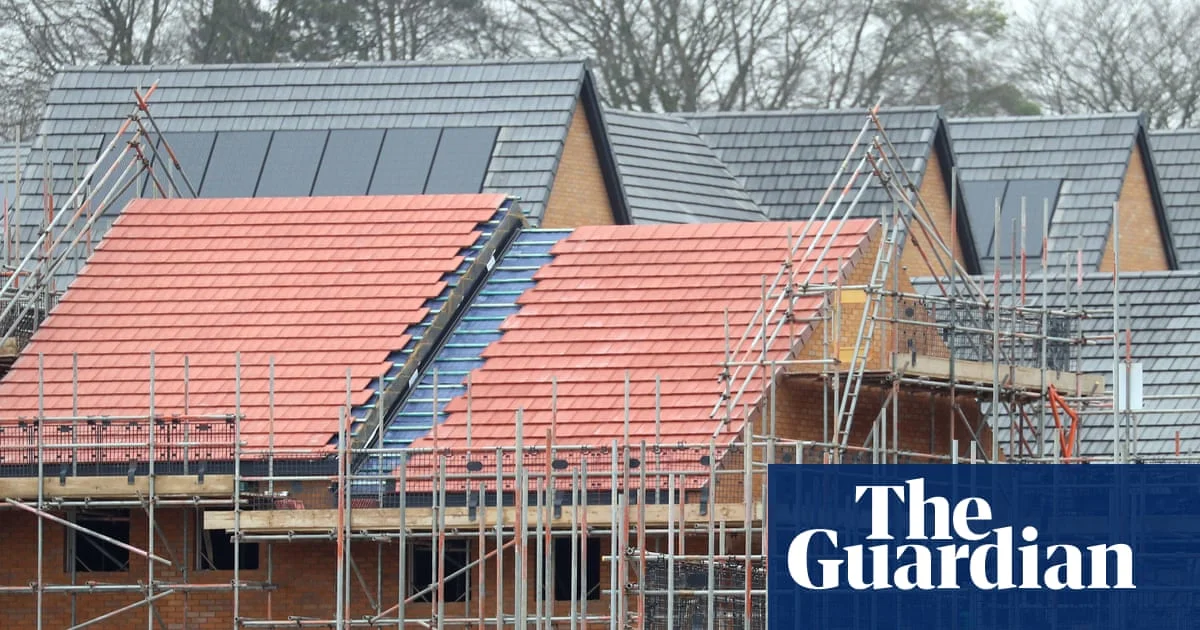
The economic fallout from the US-Israeli conflict with Iran has taken an unexpected toll on the British property market. Vistry Group, the owner of Bovis Homes and one of the UK’s largest housebuilders, saw its shares plunge by 10.5% on Wednesday morning. This dramatic drop, which brought the stock to its lowest level in nearly 15 years, followed a stern warning to shareholders that first-half profits would be "significantly" lower than previously forecasted. The company explicitly cited the heightened uncertainty and the resulting cautiousness among buyers as the primary drivers for this downturn.
This development illustrates the global nature of modern economic interdependency. While the physical conflict is thousands of miles away from London, the inflationary pressures on energy and raw materials, combined with a general sense of geopolitical instability, have forced Vistry to cut its home prices to stimulate demand. For the Iranian reader, this serves as a stark reminder that the current regional tensions are not operating in a vacuum; they are actively reshaping global investment sentiment and cooling major sectors like construction and retail in Western economies.
Trump and Xi Meet in Beijing Amid Domestic Inflationary Pressure
US President Donald Trump arrived in Beijing this Wednesday for a pivotal summit with Chinese leader Xi Jinping. The meeting comes at a moment of extreme vulnerability for the Trump administration, as his domestic approval ratings have been battered by the economic consequences of the ongoing regional war. Inflation in the United States has surged, largely driven by energy supply disruptions and the massive fiscal costs associated with the military campaign. Trump is expected to seek concessions or strategic cooperation from Beijing to stabilize global trade and mitigate the rising costs of artificial intelligence development and consumer goods.
The summit is being watched by global markets as a potential turning point. If the two superpowers can reach a consensus on trade or de-escalation, it could provide the first real signal of a cooling global economy. However, the stakes are equally high for Xi Jinping, who must balance China's regional interests with the need to maintain access to Western markets. For those tracking the Iranian Rial, the outcome of these talks is critical; any sign of a US-China rapprochement could lead to a stronger global economic outlook, potentially impacting USD demand and oil price volatility in the coming weeks.

Gulf Security Crackdown and the 'Regional Project' Warning
Security dynamics in the Middle East are shifting rapidly as Gulf nations accelerate a crackdown on internal dissent. Reports have emerged of dozens of Gulf citizens being arrested on charges of belonging to Iran-linked cells, with authorities labeling them as "traitors" amid the current state of war. This move highlights a deepening authoritarian trend in the region, as governments prioritize internal security and surveillance over political reform. The arrests suggest that the conflict is no longer just a military engagement but a ideological struggle that is fracturing long-standing social structures across the Arabian Peninsula.
Parallel to these arrests, Iraqi political analysts have voiced concerns that the current Washington-led escalations are part of a project that extends far beyond the borders of Iran. The warning suggests that the ultimate goal is a complete reconfiguration of regional dominance, which could lead to prolonged instability for Iraq and its neighbors. This narrative is gaining traction across the Arab world, potentially driving a new wave of regional cooperation that seeks to balance against Western military influence. For Iranians, this indicates that the geopolitical map of the next decade is being redrawn in real-time, with security and sovereignty becoming the primary currencies of the era.
Live Market Snapshot: USD and Gold Soften in Tehran
As of 14:00 Tehran time, the domestic markets are showing signs of a cautious correction. The USD/IRR exchange rate, which stood at 181,200 yesterday, has moved down to 179,700, representing a 0.8% decrease in value over the last 24 hours. This slight cooling of the dollar may be attributed to the anticipation surrounding the Trump-Xi summit and a temporary exhaustion of the recent speculative rally. Similarly, the Emami coin has seen a more pronounced drop, falling from 197,000,000 to 194,000,000 Toman, a 1.5% decline that reflects a broader pullback in the gold and coin sector.
Despite these local price drops, the global cost of living and travel remains prohibitively high. For instance, flight tickets from major hubs like New York are currently priced at over $1,000, leading many to question whether they should delay travel plans until the regional conflict concludes. Gold 18k/gram also saw a marginal dip of 0.2%, moving from 20,475,091 to 20,442,772 Toman. While these numbers suggest a momentary pause in the upward trend, the underlying volatility remains high, and investors are advised to remain vigilant as the geopolitical situation in Beijing and the Gulf continues to evolve.
Frequently Asked Questions
Why did a UK housebuilder’s stock crash due to a war in the Middle East?
What is the significance of the Trump-Xi meeting for the Iranian Rial?
Is it safe to book international travel during this period?
Understanding War Inflation: How Conflict Fuels Global Price Hikes
The term "War Inflation" describes a specific and often severe form of inflation that arises directly from armed conflicts. Unlike general inflation, which can stem from various economic factors like monetary policy or demand surges, war inflation is primarily driven by the unique disruptions and demands of wartime. It's a critical concept for understanding how geopolitical tensions, such as those alluded to in the headline with a potential "Iran war economic impact" or a "Trump Xi Beijing summit" amidst global instability, can directly translate into higher prices for consumers and businesses worldwide.
The mechanisms through which war fuels inflation are multifaceted. Firstly, conflicts invariably lead to significant supply chain disruptions. Blockades, destruction of infrastructure, and the redirection of resources for military purposes can severely limit the availability of goods, from essential commodities like food and energy to manufactured components. Secondly, wars often trigger dramatic spikes in commodity prices, especially crude oil, natural gas, and key agricultural products. If major producing regions or crucial trade routes are affected, global prices can surge, impacting everything from transportation costs to food prices, as seen with the "global inflation 2026" keyword.
Furthermore, governments engaged in conflict typically increase spending dramatically to fund military operations. This increased expenditure, often financed through borrowing or even by printing more money, injects more currency into the economy, boosting demand without a corresponding increase in supply, thereby pushing prices upward. Labor shortages can also emerge as populations are mobilized for war or displaced, further reducing productive capacity and contributing to inflationary pressures. These combined factors create a potent environment for sustained and often rapid price increases across various sectors.
The ripple effects of war inflation are far-reaching. For businesses, higher input costs can erode profit margins, potentially leading to reduced investment or even corporate distress, as suggested by the "UK Housing Giant Plunges" in the headline. For consumers, it means a significant erosion of purchasing power, making everyday necessities more expensive. In countries directly involved or heavily impacted, such as Iran in the keywords, war inflation can lead to severe currency depreciation (like the "USD IRR price drop") and a flight to hard assets like gold (reflected in "Emami coin price"), further destabilizing local economies and exacerbating global market volatility.
Topics
Related Articles