Wales’ New Era and Middle East Energy Risks: Global Markets Brace for Impact as USD Dips
عصر جدید در ولز و تهدیدهای انرژی در خاورمیانه: کاهش قیمت دلار و طلا در بازار ایران
Rhun ap Iorwerth promises a new era for Wales as UK politics face fragmentation, while regional conflicts threaten the global renewable energy rollout. Iranian markets see a 0.8% dip in USD prices as investors weigh geopolitical risks against global economic cooling.
At time of publishing
USD
179,700
Toman
Gold 18K
20.38M
Toman / gram
Bitcoin
$79,701
US Dollar
Tether
17,950.1
Toman
A New Era in Wales Amid UK Political Fragmentation
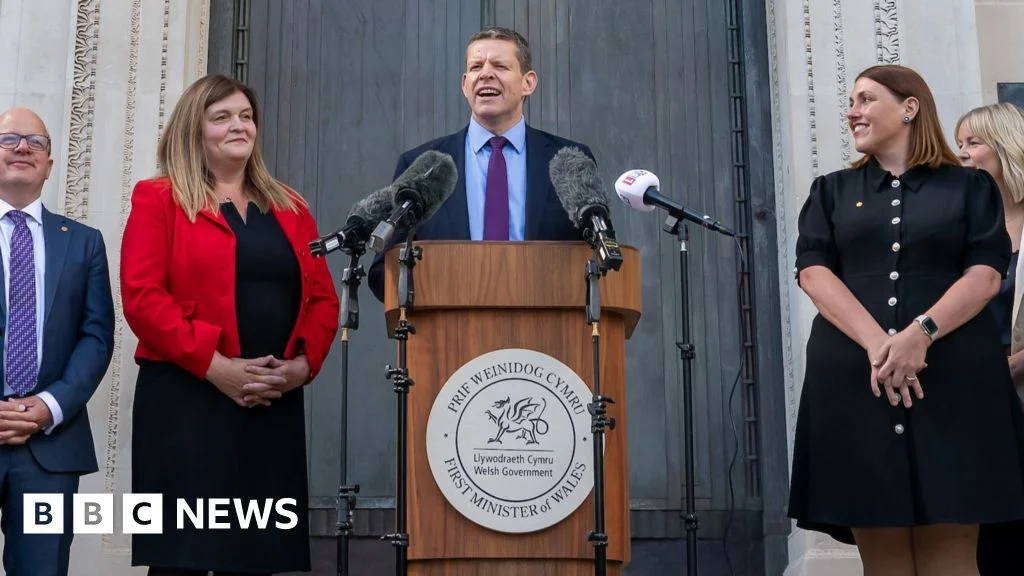
Rhun ap Iorwerth has officially unveiled his new ministerial team, promising a "new era" for Wales that moves beyond traditional administrative changes toward a fundamental shift in governance. This development comes at a critical juncture for the United Kingdom, as Prime Minister Keir Starmer simultaneously faces internal leadership threats while delivering the King’s Speech. The move by Plaid Cymru’s leader to assert a distinct Welsh path highlights the growing political fragmentation within the UK, which has direct implications for the stability of the British Pound and the country's collective diplomatic weight on the global stage. For Iranian observers and investors, the internal mechanics of UK regional politics might seem distant, but they serve as a barometer for the health of the British economy. The Pound Sterling, currently trading at 242,850 Toman, remains a key currency for international trade and a hedge against local volatility. As the UK grapples with these internal leadership struggles—both in Cardiff and London—the resulting policy uncertainty can lead to fluctuations in the GBP’s value, affecting those who hold British assets or engage in trade with European partners.

Middle East Conflict Shadows the Global Green Transition
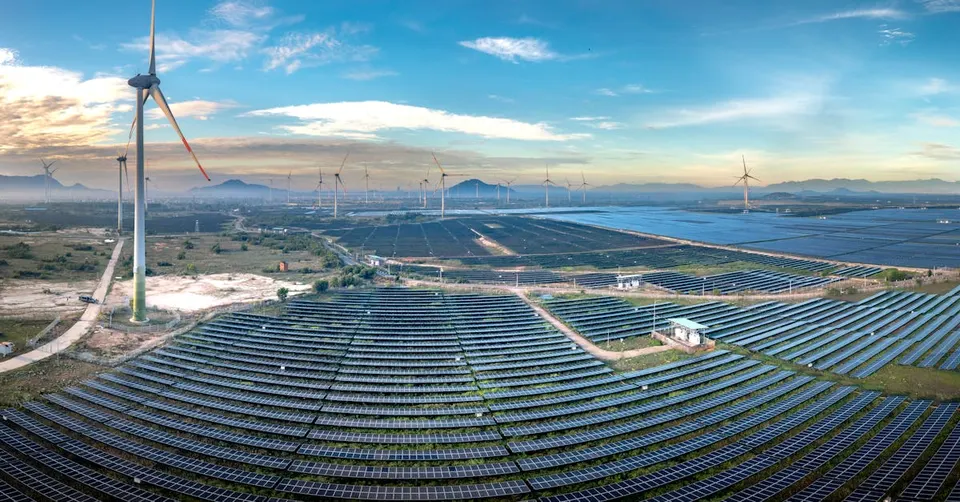
While political reshuffling takes place in Europe, the shadow of conflict in the Middle East is casting a long pall over the global energy transition. Recent reports indicate that the ongoing threat of war in the region is not merely a risk to oil and gas prices but is actively threatening the rollout of renewable energy projects worldwide. The effective closure of the Strait of Hormuz and general regional instability have disrupted the supply chains necessary for solar and wind infrastructure, while simultaneously diverting critical capital away from green initiatives and back into emergency hydrocarbon security. This shift is particularly significant for the Iranian economy, which sits at the heart of this geopolitical storm. As global powers prioritize immediate energy security over long-term climate goals, the demand for traditional fossil fuels remains artificially high, providing a complex backdrop for Iran's own energy exports and domestic consumption. The diversion of international capital away from emerging markets due to "conflict proximity" means that regional players may find it harder to secure the investment needed for modernizing their own power sectors, potentially leading to longer-term energy deficits.
Market Reality Check: USD Dips as Innovation Funds Lag
In the financial world, a striking dichotomy has emerged between the broader tech-fueled bull run and the performance of flagship innovation funds. Cathie Wood’s ARK Invest, once the poster child for disruptive growth, is largely missing out on the current AI-driven surge that has propelled other sectors to record highs. This serves as a cautionary tale for investors: being "innovative" does not always equate to being profitable in a volatile market. The focus has shifted from speculative future tech to companies that can demonstrate immediate AI integration and revenue growth, leaving many high-profile funds in the dust. In the local Iranian market, we are seeing a reflection of this global cooling and local sentiment shifts. Over the last 24 hours, the USD/IRR rate moved from 181,200 to 179,700, representing a decrease of 0.8%. Similarly, the price of 18k gold per gram fell from 20,475,091 to 20,379,518 (-0.5%), and the Emami coin decreased from 197,000,000 to 196,000,000 (-0.5%). This slight downward trend suggests a period of consolidation as traders weigh the risks of regional escalation against the backdrop of the high-stakes Trump-Xi summit in Beijing and the persistent inflationary pressures mentioned in recent global reports.

Legal Shockwaves and Institutional Trust
Finally, the legal landscape in the United States has been rocked by the South Carolina Supreme Court's decision to overturn the murder convictions of Alex Murdaugh. The court cited "shocking jury interference" by a court clerk, a move that underscores the fragility of institutional trust even in established legal systems. While this story is centered in the American South, its themes of institutional integrity and the impact of external influences on justice resonate globally. In an era where "rule of law" is a key metric for international investment, such high-profile failures in judicial process contribute to a general sense of global institutional decay. For the global citizen, these events—from the courtrooms of South Carolina to the ministerial offices of Wales—paint a picture of a world in flux. Whether it is the disruption of energy markets or the overturning of landmark legal cases, the common thread is a breakdown of old certainties. As we navigate through May 2026, the ability to separate signal from noise remains the most valuable asset for any market participant or political observer.
Frequently Asked Questions
Why did the USD/IRR price drop today?
How does Welsh politics impact the global economy?
Why is the Middle East conflict affecting renewable energy?
Understanding Energy Chokepoints and Geopolitical Risk
Energy chokepoints are narrow, strategic channels through which substantial volumes of oil, natural gas, and other commodities must pass to reach global markets. These maritime passages, such as the Strait of Hormuz, the Suez Canal, and the Malacca Strait, are critical arteries for international trade and energy supply. Their significance lies in the sheer volume of energy that transits them daily; any disruption, even minor, can send immediate shockwaves through global energy markets, impacting prices and supply chains worldwide. The Strait of Hormuz, for instance, is particularly vital, as it is the world's most important oil transit chokepoint, connecting the Persian Gulf's major oil producers to the open ocean.
The inherent vulnerability of these chokepoints gives rise to significant geopolitical risk. Geopolitical risk refers to the possibility of political events, conflicts, or instability in a region affecting economic and financial markets globally. In the context of energy, this means that tensions, military actions, piracy, or even political disputes in or near these narrow waterways can threaten the flow of vital energy supplies. Such threats can manifest as blockades, attacks on shipping, or increased insurance premiums for vessels, all of which directly translate into higher costs for consumers and businesses globally.
When geopolitical tensions escalate near an energy chokepoint, the immediate market reaction is often a surge in oil and gas prices due to fears of supply disruption. This spike can trigger broader economic consequences, including inflationary pressures as transportation and production costs rise, potentially leading to reduced economic growth. For countries heavily reliant on imported energy, these risks pose a direct threat to their energy security, forcing them to consider costly alternative routes, diversify their energy sources, or draw upon strategic petroleum reserves.
Understanding energy chokepoints and their associated geopolitical risks is crucial for comprehending global energy markets and international relations. It highlights the delicate balance between supply and demand, and how regional conflicts can have far-reaching economic and political implications. As the world transitions towards renewable energy, the strategic importance of these chokepoints for fossil fuels remains paramount for the foreseeable future, making their stability a constant concern for policymakers and market participants alike.
Topics
Related Articles