Trump-Xi Summit Eyes Hormuz Breakthrough as US Stocks Defy War Inflation
نشست سرنوشتساز در پکن؛ معامله ترامپ و شی بر سر تنگه هرمز در اوج نوسانات ارزی
As the USD hits 180,900 Toman in Tehran, world leaders meet in Beijing to discuss the Strait of Hormuz blockade. Surprisingly, US markets are surging despite 75 days of war, breaking traditional economic playbooks.
At time of publishing
USD
180,900
Toman
Gold 18K
20.57M
Toman / gram
Bitcoin
$79,658
US Dollar
Tether
17,897.3
Toman
The Great Defiance: Why US Markets Are Surging Amidst Global Chaos
Wall Street is currently rewriting the historical playbook for wartime economics. Typically, a combination of regional war, high inflation, and aggressive tariffs would lead to a market contraction. However, as of May 14, 2026, the Dow and Nasdaq have shown incredible resilience. While consumer confidence in the United States has dipped due to rising gas prices and the ongoing conflict involving Iran, corporate earnings are accelerating at a record mid-cycle pace. Investors seem to be betting that the structural strength of the US economy can outlast the geopolitical friction, leading to a surge that has caught many veteran traders off guard.
What is different this time is the decoupling of market sentiment from the immediate realities of the 'inflation playbook.' In previous decades, the 75-day mark of a major conflict would see defensive assets like gold dominating portfolios. While gold has indeed risen—with the international ounce reaching $4,698.60 and local 18k gold in Iran climbing from 20,379,518 to 20,565,353 Toman (+0.9%)—the appetite for risk in tech stocks remains insatiable. This is partly driven by the massive AI infrastructure build-out, which continues regardless of the blockade in the Middle East.
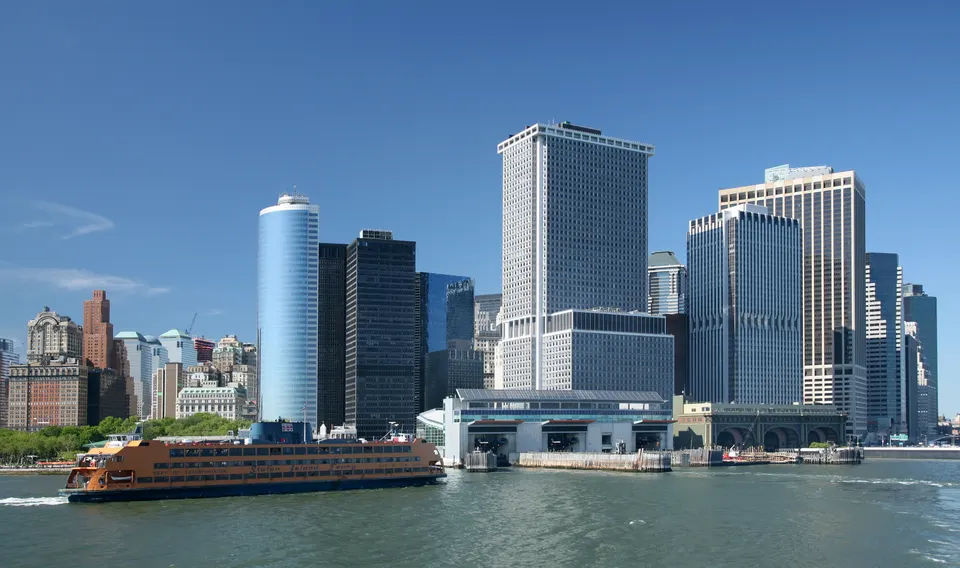
For Iranian observers, this US market resilience is a double-edged sword. A strong US dollar and resilient Western markets often translate into sustained pressure on emerging and sanctioned currencies. The USD in Tehran moved from 179,550 to 180,900 Toman (+0.8%) in the last 24 hours, reflecting the local market's anxiety over the potential for prolonged conflict. As long as US markets remain 'irrationally exuberant,' the global cost of capital remains high, making it harder for sanctioned economies to find cheap liquidity through alternative channels.
High Stakes in Beijing: Trump, Xi, and the Hormuz Dilemma
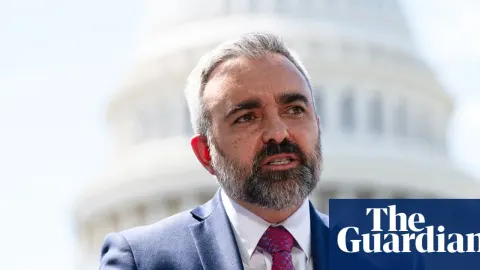
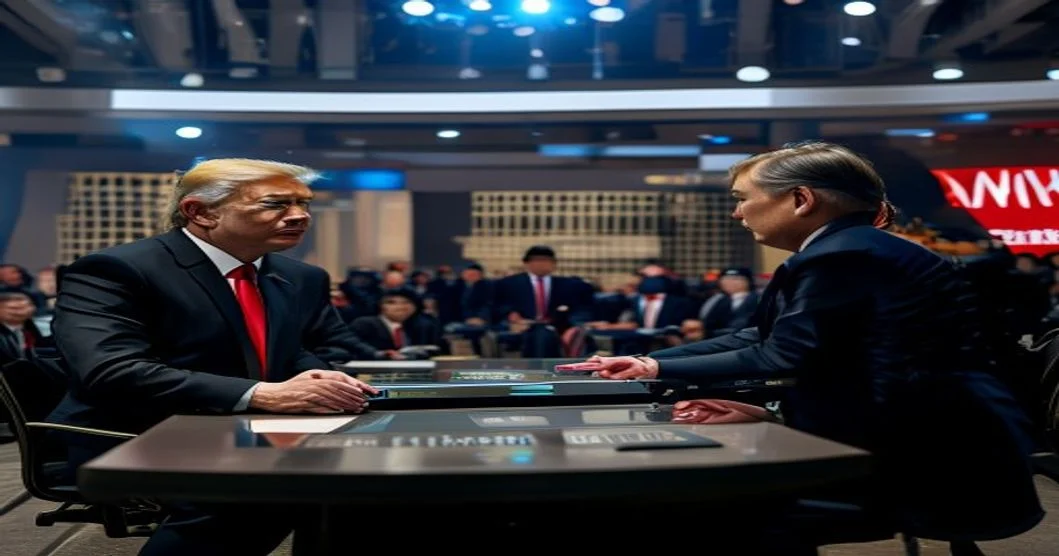
President Donald Trump’s arrival in a smoggy Beijing marks a pivotal moment in the 2026 geopolitical calendar. The summit is not just about trade; it is a high-stakes negotiation over the future of global energy security. Xi Jinping has issued a stern warning that the US-China relationship could 'come into conflict' if the Taiwan issue is mishandled, yet the two leaders share a common headache: the closure of the Strait of Hormuz. For Trump, the blockade is an inflationary nightmare; for Xi, it is a direct threat to the energy supplies that fuel China’s massive industrial base.
The presence of tech titans like Elon Musk and Nvidia’s Jensen Huang in the US delegation underscores the economic gravity of these talks. Huang is reportedly pushing for a lifting of chip export restrictions in exchange for Chinese cooperation in Middle Eastern diplomacy. This 'chips-for-stability' trade-off is the underlying theme of the summit. If China can leverage its influence over regional actors to reopen shipping lanes, Trump may be willing to soften his stance on the aggressive tariffs that have characterized his second term.

The most critical development for the Middle East is the reported discussion regarding a 'Chinese Role' in opening the Strait of Hormuz. Secretary of State Marco Rubio has suggested that China should take a more active role in resolving the standoff. This marks a significant shift in US policy, moving from unilateral containment to a desperate search for a multi-polar solution to keep oil flowing. Any breakthrough here would immediately impact the Iranian Rial, which is currently hovering near record lows due to the perceived risk of a total maritime shutdown.
The Shadow Fleet and the Battle for Oil Flow
As the official blockade of the Strait of Hormuz continues, the 'dark fleet' has found new ways to maintain the flow of Iranian crude. Malaysia has issued a stern warning regarding the surge in ship-to-ship (STS) transfers occurring just outside its territorial waters. These transfers allow Iranian oil to be rebranded and shipped to China, bypassing the US-led blockade. According to the Malaysian Maritime Enforcement Agency, these vessels are exploiting gaps in international jurisdiction, ensuring that over 90% of Iran's exports still reach their primary buyer in Beijing.
This shadow economy is what keeps the Iranian fiscal situation from total collapse. Despite the pressure on the Toman—with the Emami coin rising from 196,000,000 to 197,000,000 Toman (+0.5%)—the continued export of oil provides a vital lifeline. The 'dark fleet' operations have become so sophisticated that even a Chinese tanker was recently spotted successfully navigating the Strait, a feat that suggests back-channel agreements or highly advanced evasion tactics are in play.
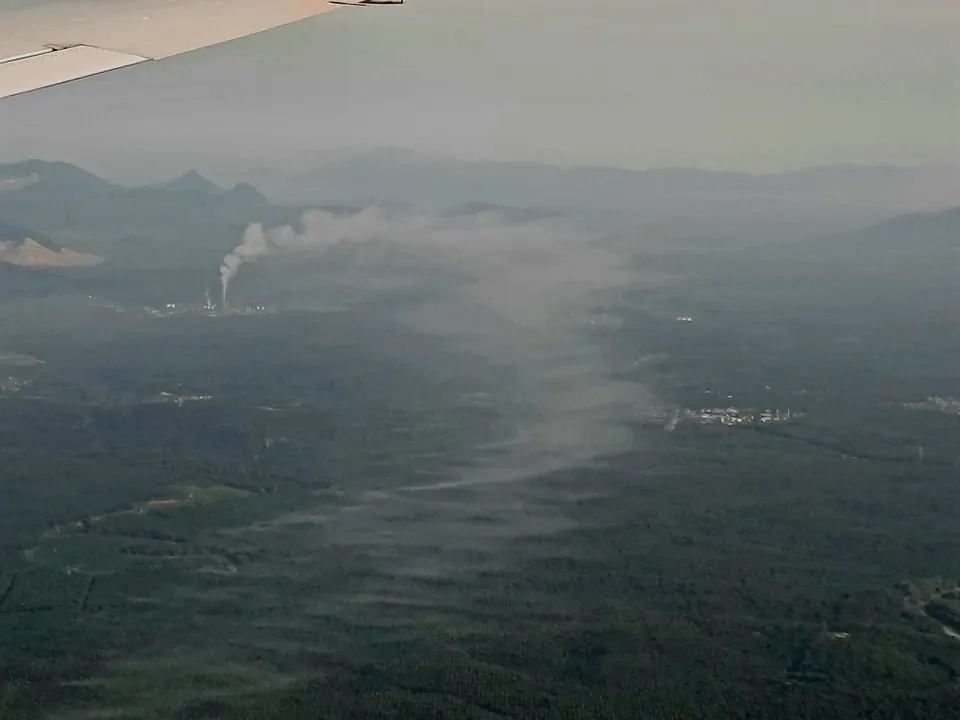
Locally, the Iranian market is reacting to these geopolitical tremors with a mix of caution and speculation. The rise in the USD/IRR rate to 180,900 reflects a 'war premium' that has yet to be priced out. Traders are closely watching the Beijing summit; if Trump and Xi reach a deal on maritime security, we could see a sharp correction in the price of gold and hard currency in Tehran. Conversely, if the talks fail and Xi doubles down on his Taiwan warnings, the flight to safety will likely push the USD and gold to even more unprecedented heights.
Frequently Asked Questions
Why is the US stock market rising despite the war with Iran?
What is the 'chips-for-stability' deal mentioned in the Beijing summit?
How is Iran still exporting oil despite the blockade of the Strait of Hormuz?
How will the Trump-Xi summit outcome affect the price of USD in Iran?
The Strategic Importance of the Strait of Hormuz as a Global Energy Chokepoint
The Strait of Hormuz is one of the world's most critical maritime chokepoints, a narrow waterway connecting the Persian Gulf to the Arabian Sea and the broader Indian Ocean. Its strategic importance stems from its unparalleled role in global energy trade. Roughly one-fifth of the world's total petroleum consumption, and a significant portion of its liquefied natural gas (LNG), passes through this 21-mile-wide passage daily. This makes it an indispensable artery for oil-exporting nations in the Middle East, including Saudi Arabia, Iran, UAE, Kuwait, and Iraq, to reach international markets.
Any disruption to shipping in the Strait of Hormuz—whether due to geopolitical tensions, military conflict, or even piracy—has immediate and profound implications for global energy markets. A blockade or significant impediment could trigger a sharp surge in oil and gas prices, leading to widespread economic instability and potentially "war inflation" as seen in historical instances. Nations around the world, particularly major energy importers like China, India, Japan, and European countries, are highly dependent on the uninterrupted flow of resources through this strait.
Given its critical nature, the Strait of Hormuz is a focal point for international security concerns and military presence. Iran, which borders the northern side of the strait, has historically threatened to close it in response to international sanctions or perceived threats, highlighting its leverage over global energy supplies. The existence of "dark fleets" of tankers, often associated with sanctioned nations like Iran, attempting to bypass formal shipping routes and sanctions, further underscores the desperate measures taken to maintain oil exports, regardless of the inherent risks and the strategic control exerted over this vital chokepoint. Understanding the Strait of Hormuz is key to grasping the complexities of global energy security and international relations.
Topics
Related Articles