Trump and Xi Signal 'Partnership' in Beijing as Hormuz Crisis and 181,000 Toman Dollar Rattle Markets
سیگنال «شراکت» ترامپ و شی در پکن؛ دلار ۱۸۱ هزار تومانی و بحران هرمز بازارها را تکان داد
President Trump and Xi Jinping have shifted rhetoric toward partnership during high-stakes talks in Beijing, even as the Strait of Hormuz blockade drives global energy inflation. In Tehran, the US Dollar has climbed to 181,000 Toman, reflecting intense market sensitivity to the ongoing geopolitical standoff.
At time of publishing
USD
181,000
Toman
Gold 18K
20.61M
Toman / gram
Bitcoin
$79,378
US Dollar
Tether
17,900
Toman
The Beijing Pivot: Partners Over Rivals
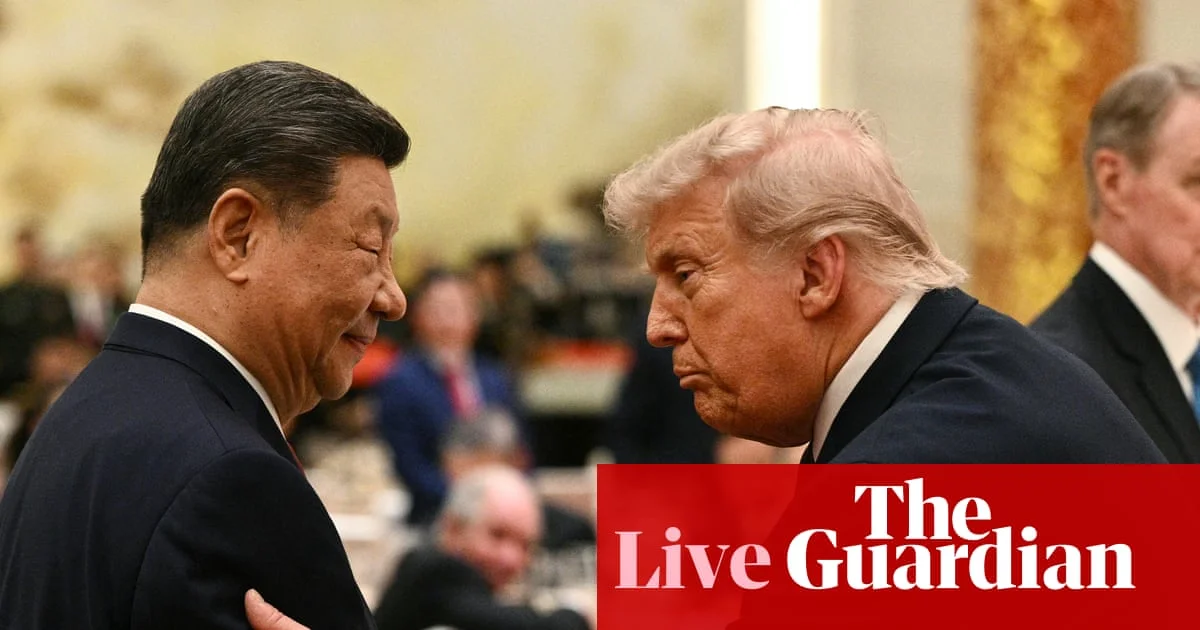
In a dramatic shift of tone at the Great Hall of the People, Chinese President Xi Jinping welcomed Donald Trump with a call for the United States and China to be "partners, not rivals." This summit, occurring against the backdrop of a smoggier-than-usual Beijing and a looming conflict in the Middle East, marks a critical attempt to stabilize the world's most important bilateral relationship. While the two leaders exchanged pleasantries, the underlying tension regarding Taiwan and trade remains palpable. However, the immediate focus of the talks has pivoted toward the energy crisis, with the U.S. delegation, led by Secretary of State Marco Rubio, urging China to take a more active role in resolving the Strait of Hormuz standoff.
For Iranian observers, this diplomatic dance in Beijing is of paramount importance. The potential for a U.S.-China grand bargain could lead to a coordinated effort to reopen shipping lanes or, conversely, a new framework for sanctions that could further isolate Tehran. As Trump invites tech giants like Elon Musk and Jensen Huang to the summit, it is clear that the administration is leveraging economic and technological hegemony to force a resolution on the global energy front. The outcome of these talks will likely dictate the direction of the Iranian Rial and the broader regional security architecture for the remainder of 2026.

Market Turmoil: USD Hits 181,000 as Inflation Surges
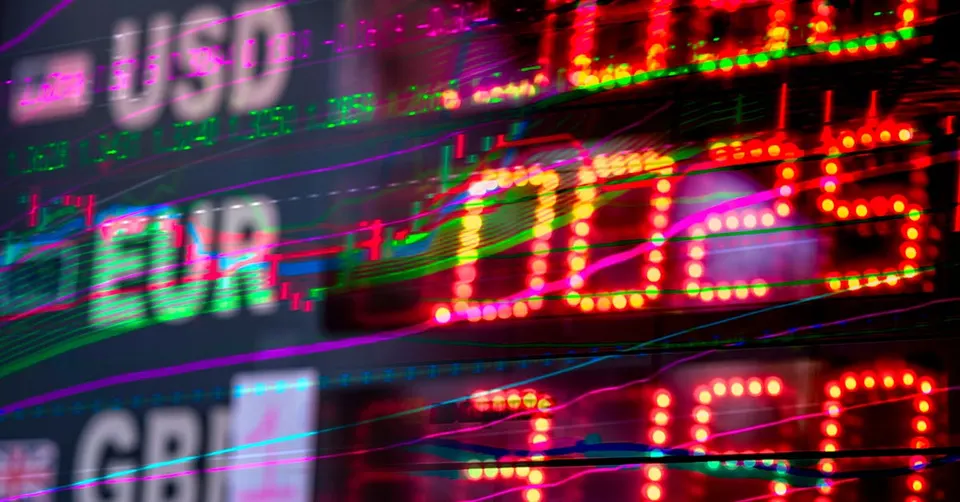
Despite the optimistic rhetoric from Beijing, the local markets in Tehran are reacting to the immediate reality of supply chain disruptions and geopolitical friction. The US Dollar has moved from 179,550 to 181,000 Toman, representing a 0.8% increase in just 24 hours. This move reflects a hedging sentiment among domestic investors who fear that the diplomatic efforts in China may not yield results fast enough to prevent further escalation in the Persian Gulf. Gold has followed a similar upward trajectory, with 18k gold rising by 1.1% to reach 20,606,214 Toman per gram, while the Emami coin has edged up to 197 million Toman.
Globally, the impact of the Hormuz blockade is becoming painfully visible in emerging markets. India, the world’s third-largest crude importer, reported that its wholesale inflation hit a 3.5-year high of 8.3% in April, driven by a staggering 25% surge in fuel costs. This "worst oil supply shock in history" is forcing major economies to reconsider their neutral stances. As India pushes the U.S. for Russian oil waivers, the pressure on the global financial system is mounting. For the Iranian consumer, this translates into a cycle of imported inflation and a volatile currency market that remains tightly decoupled from the diplomatic optimism seen on international television screens.
Regional Friction: Araghchi Slams UAE as SCO Convenes
While global powers talk in Beijing, regional tensions are reaching a boiling point. Iranian Foreign Minister Abbas Araghchi has publicly accused the United Arab Emirates of being an "active partner" in recent US-Israeli actions against Iran. This rhetoric underscores a deepening rift within the Persian Gulf, complicating any efforts for a regional de-escalation. The statement comes at a time when the UAE’s role in regional logistics and its relationship with the West are under intense scrutiny. This internal Middle Eastern friction acts as a counterweight to the stabilizing signals coming from the Trump-Xi summit, reminding markets that a solution requires more than just a deal between superpowers.
Simultaneously, Iran is seeking to bolster its alternative alliances by participating in the Shanghai Cooperation Organization (SCO) security meeting in Bishkek. The focus on counterterrorism and illicit trafficking in the Kyrgyz capital serves as a strategic pivot for Tehran, as it looks toward Eastern security frameworks to mitigate Western pressure. However, the duality of Iran's position—engaging in security dialogues in Central Asia while maintaining a hardline stance against its neighbors—leaves the market in a state of perpetual uncertainty. Investors are currently caught between the hope of a "Beijing Breakthrough" and the reality of regional fragmentation, a dynamic that continues to support high demand for safe-haven assets like gold and stablecoins.

Watch
Trump attends state banquet with China’s Xi Jinping
Fox News
Frequently Asked Questions
Why is the USD rising despite the Trump-Xi summit?
What is China's role in the Strait of Hormuz crisis?
How is India's inflation related to the Iranian market?
Understanding Currency Depreciation: The Toman's Plight and Global Market Ripples
Currency depreciation occurs when the value of a nation's currency falls relative to other currencies, meaning it takes more units of the local currency to buy a single unit of a foreign currency. For instance, the headline's mention of the "181,000 Toman Dollar" signifies a dramatic weakening of the Iranian Toman (an informal unit of the Rial) against the US Dollar. This isn't just an abstract number; it directly translates to a significant loss in purchasing power for ordinary citizens, as their savings and income can buy fewer imported goods or services from abroad.
The causes of such severe depreciation are often multi-faceted, stemming from both internal economic vulnerabilities and external pressures. Domestically, high inflation, persistent fiscal deficits, and political instability can erode confidence in a currency. Internationally, factors like economic sanctions, reduced foreign investment, or critical geopolitical events can severely impact a nation's ability to earn foreign currency through exports. The "Hormuz Crisis" mentioned in the headline, for example, highlights how disruptions to vital trade routes can threaten a country's main source of foreign exchange, like oil exports, thereby accelerating currency devaluation.
The consequences of rapid currency depreciation are profound and far-reaching, "rattling markets" as the headline suggests. One immediate effect is imported inflation, where the cost of all imported goods – from food and medicine to raw materials for industries – skyrockets. This fuels general price increases within the country, further diminishing the purchasing power of wages and savings. It also leads to capital flight as investors seek more stable assets, often foreign currencies or commodities like gold, which explains the mention of "Gold price Iran" in the keywords. Ultimately, it erodes trust in the domestic economy, making long-term planning difficult for both individuals and businesses.
Topics
Related Articles