Trump’s ‘Chickenification’ of Fish Sparks Cruelty Row as Hormuz Tensions Push USD to 180k
جنجال «مرغیسازی» ماهی توسط ترامپ و افزایش تنش در هرمز؛ دلار به ۱۸۰ هزار تومان رسید
The Trump administration's push for industrial-scale fish farming faces a cruelty scandal just as Iran demands naval cooperation in the Strait of Hormuz. Markets are reacting sharply to the geopolitical friction, with the US Dollar climbing 0.7% to breach the 180,000 Toman mark.
At time of publishing
USD
180,750
Toman
Gold 18K
20.52M
Toman / gram
Bitcoin
$79,886
US Dollar
Tether
17,900
Toman
The 'Chickenification' of Fish: Trump’s New Agribusiness Frontier
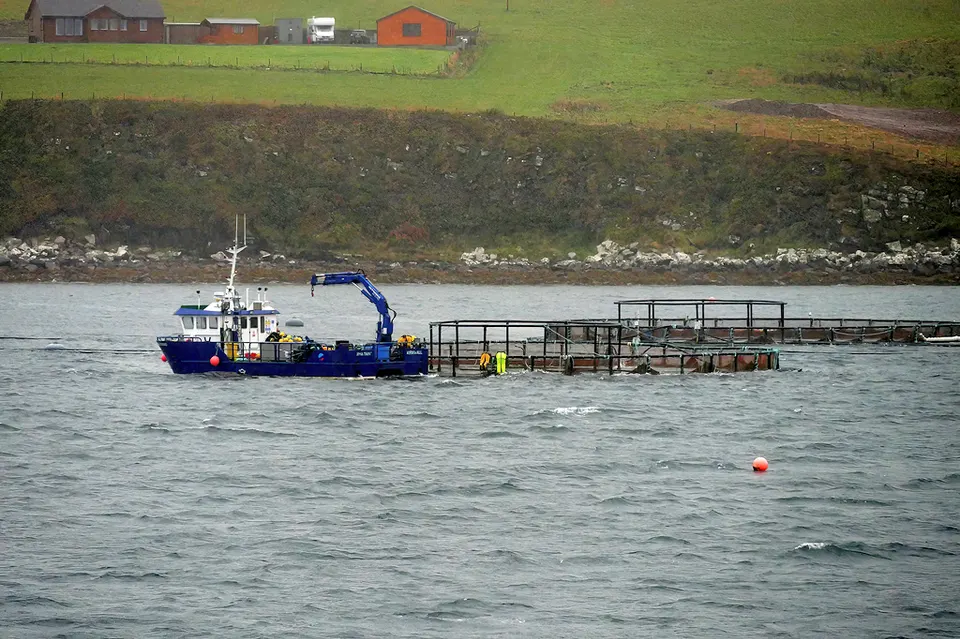
The Trump administration is aggressively moving to transform the American seafood industry through a process critics are calling the "chickenification" of fish. This strategy aims to apply the high-intensity, industrial-scale production methods used in the poultry industry to salmon and other seafood to drastically increase domestic output. However, this policy has hit a major roadblock following the release of undercover footage from a Cooke hatchery. The video allegedly shows cruel treatment and unsanitary conditions, sparking a national debate over the ethical and environmental costs of mass-producing seafood.
For global markets, this shift represents more than just a regulatory change; it signals a broader move toward aggressive deregulation in the American agricultural sector. By prioritizing volume over traditional environmental safeguards, the administration hopes to lower food inflation, but at the risk of international trade blowback. Investors are watching closely to see if these policies will lead to new tariffs or trade barriers from nations with stricter animal welfare standards, potentially disrupting global food supply chains already strained by geopolitical tensions.
Hormuz Tensions and the 180,000 Toman Threshold
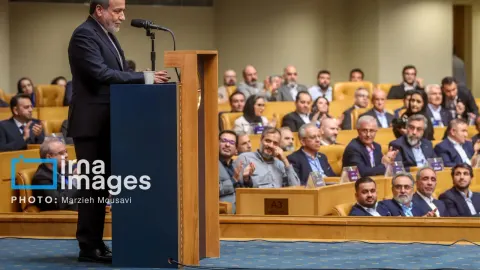
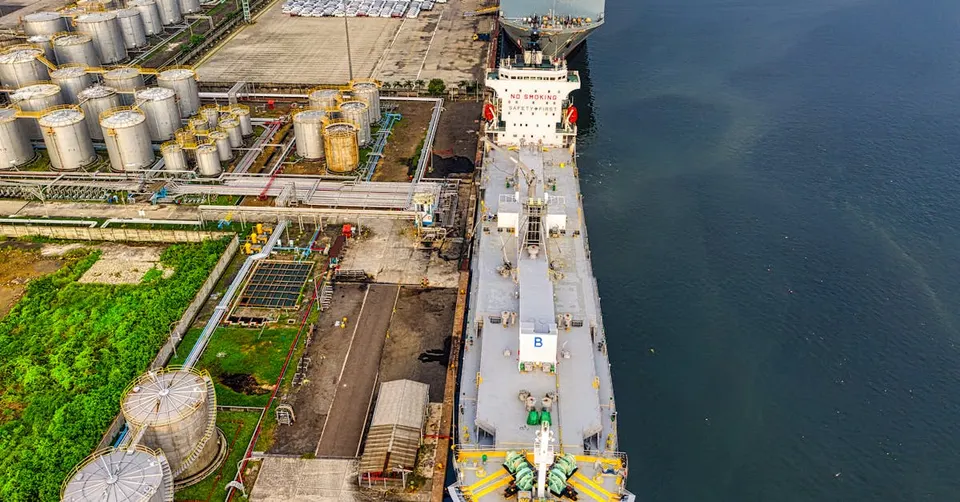
Geopolitical risks in the Middle East have taken a sharp turn as Iranian Foreign Minister Abbas Araghchi declared that all vessels entering the Strait of Hormuz must cooperate with the Iranian Navy. This statement follows reports of a vessel being seized near the UAE port of Fujairah, a critical global shipping hub. The move has immediately rattled currency markets in Tehran. The US Dollar (USD) rose from 179,550 to 180,750 Toman, marking a 0.7% increase in just 24 hours. This breach of the 180k psychological barrier reflects deep-seated anxiety among traders regarding the potential for a prolonged maritime blockade or increased insurance premiums for regional shipping.
Simultaneously, Russia has pledged closer cooperation with Iran to resolve the Middle East crisis. During a meeting at the Shanghai Cooperation Organization (SCO) in Kyrgyzstan, Russian officials emphasized a joint framework for regional security. For the Iranian economy, this alignment with Moscow is a double-edged sword; while it provides a diplomatic shield, it also reinforces the "eastward" pivot that has defined Tehran's recent economic strategy. Market participants are hedging against further volatility, as evidenced by Gold 18k/gram rising from 20,379,518 to 20,524,031 Toman (+0.7%), following the upward trajectory of the dollar.
Xi’s ‘Dangerous’ Warning Amid a Beijing State Dinner
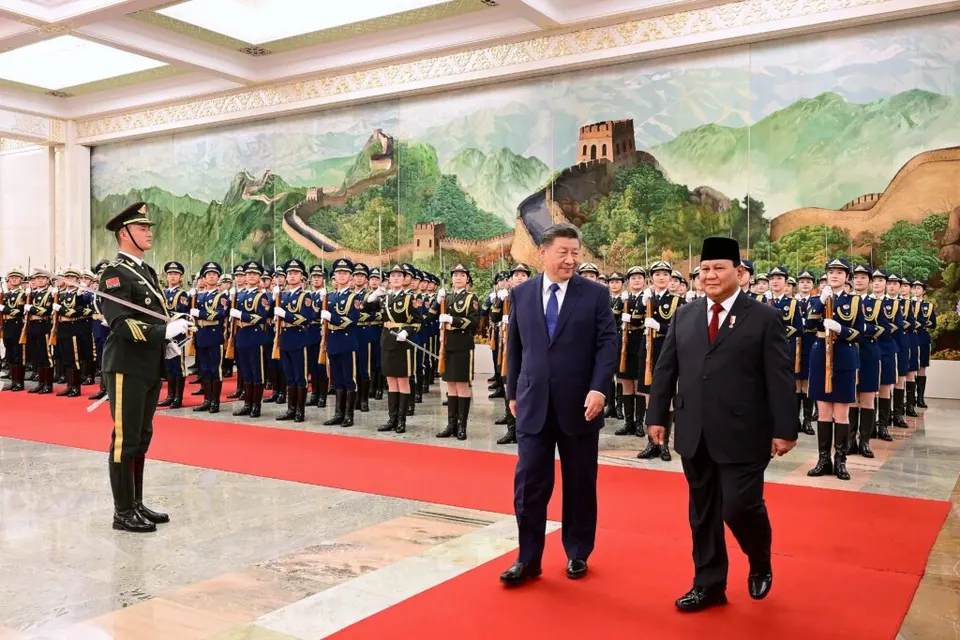
While President Trump and President Xi Jinping shared a lavish state dinner in Beijing—featuring beef ribs and roast duck—the diplomatic undercurrents were far from celebratory. Xi Jinping issued a stark warning, stating that U.S.-China relations could enter an "extremely dangerous place" if Washington ignores Beijing’s demands regarding Taiwan. This rhetorical escalation serves as a reminder that despite the optics of a diplomatic summit, the structural rivalry between the world's two largest economies remains unresolved. The tension is palpable in the tech sector, where uncertainties over Taiwan’s future threaten the stability of global semiconductor supply chains.
Beyond East Asia, the geopolitical landscape is further complicated by the nearing end of the Israel-Lebanon ceasefire. Fresh talks are underway in Washington to secure a new truce, but the threat of a renewed conflict looms large over energy markets. If these diplomatic efforts fail, the resulting instability could drive oil prices higher, further fueling the global inflation that is already hitting major economies like India, where wholesale inflation recently hit a 3.5-year high. For the average investor, these overlapping crises mean that traditional "safe haven" assets like gold and stablecoins are likely to remain in high demand throughout the second quarter of 2026.
Frequently Asked Questions
Why is the 180,000 Toman mark significant for the USD?
What is the 'chickenification' of fish mentioned in Trump's policy?
How does the vessel seizure near Fujairah affect global trade?
What was the outcome of the Russia-Iran meeting at the SCO?
Currency Depreciation and Geopolitical Risk
Currency depreciation refers to the fall in the value of a currency relative to other currencies in a floating exchange rate system. Unlike devaluation, which is a deliberate government policy, depreciation is driven by market forces. Key factors include high inflation, large trade deficits, and significant capital outflows, all of which reduce demand for a nation's currency and increase its supply on global markets.
Geopolitical risk acts as a powerful accelerant for currency depreciation. Consider the Strait of Hormuz, a critical global chokepoint for oil shipments. Tensions, threats of conflict, or actual hostilities in such strategic locations can trigger profound economic uncertainty. This uncertainty deters foreign investment, encourages domestic capital flight as investors seek safer havens, and makes a country's assets less attractive, directly weakening its currency. The perceived instability signals higher risk, leading to a sell-off of the national currency.
The consequences of a depreciating currency are far-reaching. It drastically reduces a nation's purchasing power on the international market, making essential imports, such as food, medicine, or raw materials, significantly more expensive. This can fuel domestic inflation, erode the value of savings, and severely lower citizens' living standards. In extreme cases, rapid and uncontrolled depreciation can spiral into hyperinflation, where the currency loses value so quickly that it becomes almost worthless, destabilizing the entire economy and society.
Such economic instability, often exacerbated by geopolitical events, can lead to widespread social unrest and make it exceedingly difficult for governments to manage their economies effectively. It vividly illustrates the intricate and often volatile link between global politics and domestic economic well-being, demonstrating how events in one region can have profound and immediate financial repercussions worldwide.
Topics
Related Articles