Secret Gulf Air Strikes on Iran Exposed as USD Hits 180,900 Toman Amid Global Oil Supply Shock
افشای حملات هوایی مخفیانه اعراب به ایران؛ صعود دلار به ۱۸۰ هزار تومان در اوج بحران عرضه نفت
Explosive reports reveal secret Saudi and UAE air raids on Iranian soil, while the US dollar breaks the 180,000 Toman barrier. As global oil stockpiles drain at record rates, the shadow war in the Middle East enters a dangerous new kinetic phase.
At time of publishing
USD
180,900
Toman
Gold 18K
20.53M
Toman / gram
Bitcoin
$80,090
US Dollar
Tether
17,897.9
Toman
The Shadow War Goes Kinetic: Secret Gulf Strikes Revealed
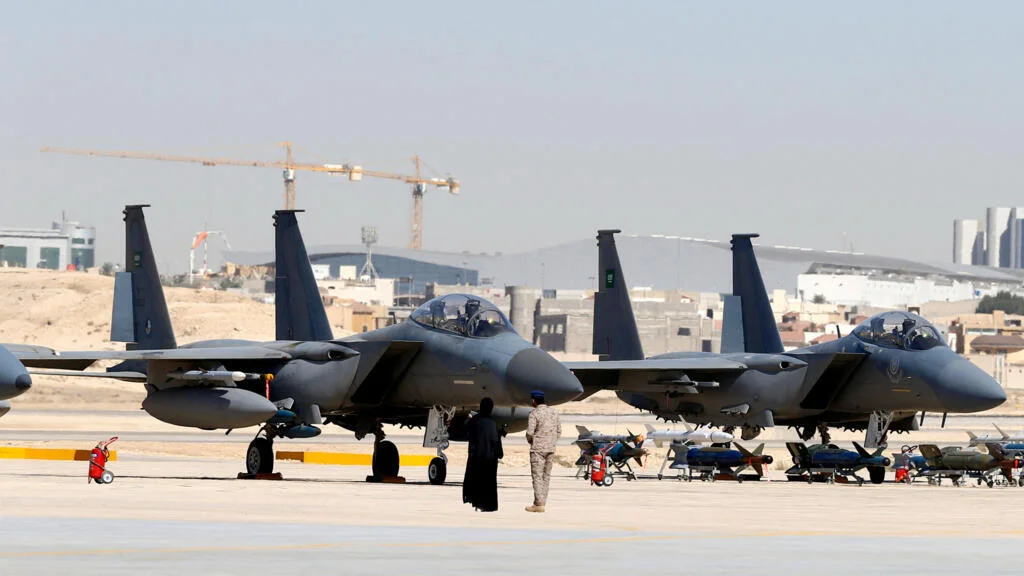
A bombshell report from the Wall Street Journal and Reuters has sent shockwaves through the region, alleging that Saudi Arabia and the United Arab Emirates conducted clandestine air strikes against Iranian targets back in April. These raids, which remained unconfirmed by the participating nations until now, are described by analysts as a direct, albeit secret, retaliation for Tehran’s previous drone and missile strikes against critical Gulf infrastructure. This revelation shifts the narrative of the current conflict from a bilateral US-Israel vs. Iran standoff to a broader, more volatile regional coalition effort that threatens to ignite a full-scale Middle Eastern war.
For the average observer, this news explains the sudden and sustained aggression seen in the Strait of Hormuz over the past month. The fact that regional powers are now willing to cross the Iranian border—even in secret—indicates a complete breakdown in the informal security guarantees that have kept the Persian Gulf relatively stable for years. For Iranian citizens, this escalation signals a heightened risk of infrastructure damage and a potential shift in how the military allocates resources, likely leading to further domestic economic strain as defense spending takes priority over civilian needs.

Markets Under Pressure: USD Breaches 180,000 Toman
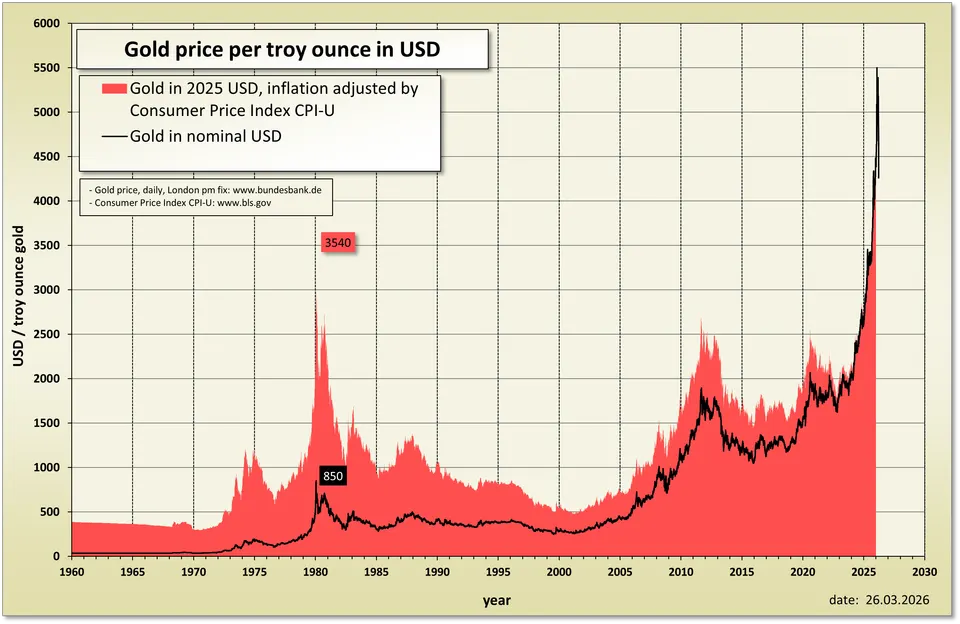
The Iranian currency market is reacting with predictable volatility to the escalating regional tensions. In the last 24 hours, the USD sell rate moved from 179,550 to 180,900 Toman, marking a +0.8% increase that reflects deepening anxiety among traders. This move is mirrored in the gold market, where 18k gold rose from 20,379,518 to 20,527,032 Toman per gram (+0.7%). These price actions are not happening in a vacuum; they are tightly coupled with the International Energy Agency's (IEA) latest warning that global oil stockpiles are being depleted at an "unprecedented" rate of 4 million barrels per day as the war continues to choke the Strait of Hormuz.
What this means for the Iranian consumer is a dual-threat inflationary environment. On one hand, the domestic currency is losing purchasing power as capital flees to the safety of hard assets like gold and the US dollar. On the other hand, the global energy shock is driving up the cost of imported goods and shipping, even as Iran's own oil exports face logistical nightmares. While UK Chancellor Rachel Reeves has seized on a surprise 0.3% growth in the British economy as a sign of resilience, the reality for the Iranian economy is far more grim, as the "war premium" on every basic necessity continues to climb.
Social Spillover: Security Alerts and the Cost of Conflict
The ripples of the Iran-Israel war are now being felt acutely in the streets of Europe. London’s Metropolitan Police Commissioner, Mark Rowley, issued a startling warning today, stating that British Jews are "not currently safe" in their capital city following a sustained period of targeted attacks. This social fracture highlights how geopolitical conflicts in the Middle East are no longer localized; they trigger massive security responses and civil unrest thousands of miles away. King Charles III’s visit to Golders Green today to show support for the Jewish community underscores the gravity of the situation as counter-terrorism teams lead 11 separate investigations into recent violence.
For policymakers, this domestic instability in the West could lead to a harder line against Iran. As Western governments face rising internal pressure to quell unrest linked to the war, their appetite for diplomatic solutions may wane in favor of more aggressive sanctions or military posturing. This creates a feedback loop: regional escalation leads to European social unrest, which in turn leads to tougher Western policies, further devaluing the Rial and isolating the Iranian economy from global trade networks.
Tech Resilience: AMD and the Pivot to Longevity
Amidst the geopolitical chaos, the technology sector is adapting to a world of high inflation and supply chain uncertainty. AMD has announced that its FSR 4.1 upscaling technology—designed to boost performance in demanding games and applications—will be coming to older graphics cards, including RDNA 2 and RDNA 3 architectures. This is a significant shift in strategy; usually, tech giants reserve their best software features for the newest, most expensive hardware. By supporting older GPUs, AMD is acknowledging that consumers are holding onto their devices longer as the cost of living and war-driven inflation make frequent upgrades impossible.
This move by AMD, alongside positive trial results for biotech firms like Regenxbio in the Duchenne muscular dystrophy space, shows that the engines of global innovation are still turning. However, the focus is shifting toward efficiency and longevity rather than raw, expensive power. For the tech-savvy Iranian youth and professional class, these developments are a double-edged sword. While software updates like FSR 4.1 allow them to extend the life of their existing hardware, the skyrocketing price of the US dollar makes any future hardware replacement a distant dream for many. The tech world is building bridges to the past, while the geopolitical world seems intent on burning them.

Frequently Asked Questions
What are the details of the alleged secret air strikes on Iran?
Why is the US Dollar reaching new highs in Iran today?
How is the technology sector responding to the war-driven inflation?
Is the Strait of Hormuz still operational for commercial shipping?
Geopolitical Risk, Oil Markets, and Currency Stability
Geopolitical events, such as the hypothetical air strikes mentioned in the headline or threats to critical shipping lanes, profoundly influence global markets, particularly oil. This influence is often captured by the concept of a geopolitical risk premium. This premium is an additional cost factored into the price of a commodity, like crude oil, due to perceived or actual political instability, conflict, or uncertainty in key producing or transit regions. When tensions escalate in the Middle East, for instance, traders anticipate potential supply disruptions—whether from direct damage to infrastructure, sanctions, or blockades—and bid up oil prices to account for this increased risk, even if no actual supply cut has occurred yet.
The Strait of Hormuz, a narrow waterway connecting the Persian Gulf to the open ocean, serves as a prime example of how geopolitical risk can manifest. A significant portion of the world's seaborne oil passes through this strait daily. Any threat of disruption, such as a blockade or conflict, immediately sends shockwaves through global energy markets, driving oil prices sharply higher. This is because the world's economy is heavily reliant on a stable and predictable flow of oil, and the prospect of a major chokepoint being compromised triggers panic buying and speculative trading, adding a substantial risk premium to every barrel.
For economies like Iran, which are heavily reliant on oil exports but also face extensive international sanctions, this interplay of geopolitical risk and oil market volatility is particularly acute. While higher global oil prices might seem beneficial for an oil-exporting nation, sanctions often prevent countries like Iran from fully capitalizing on these gains. More critically, the underlying geopolitical instability itself, coupled with sanctions, erodes investor confidence, deters foreign investment, and exacerbates domestic economic challenges. The resulting pressure contributes significantly to currency depreciation, as seen with the Toman's sharp fall against the USD, fueling inflation and reducing purchasing power for citizens.
In essence, geopolitical risks create a complex feedback loop: regional instability drives up oil prices through a risk premium, but for sanctioned and vulnerable economies caught in the crossfire, this volatility often translates into greater economic hardship. It highlights how political tensions are not merely abstract diplomatic issues but have tangible, often severe, consequences for global energy security and the daily economic realities of millions.
Topics
Related Articles