Academic Denies Ghalibaf Ties as USD Hits 180,900; Trump and Xi Vow to Keep Hormuz Open
تکذیب ارتباط آکادمیک با قالیباف همزمان با دلار ۱۸۰ هزار تومانی؛ توافق ترامپ و شی بر سر تنگه هرمز
As a prominent Australian academic denies unauthorized research ties to Iran's chief negotiator, the Toman continues its slide, hitting 180,900 per dollar. Meanwhile, a high-stakes summit in Beijing sees Trump and Xi Jinping agree on the necessity of keeping the Strait of Hormuz open for global energy security.
At time of publishing
USD
180,900
Toman
Gold 18K
20.52M
Toman / gram
Bitcoin
$80,995
US Dollar
Tether
17,890.4
Toman
Academic Scandal Shadows Peace Talks as Toman Weakens
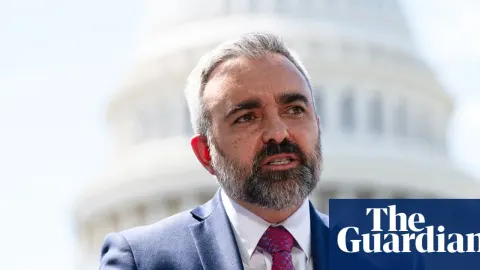
A diplomatic and academic controversy has erupted as Professor Abbas Rajabifard of the University of Melbourne publicly denied any collaboration with Mohammad Bagher Ghalibaf, the Speaker of Iran’s Parliament and a central figure in ongoing peace negotiations. The denial comes after reports suggested Ghalibaf had cultivated extensive academic ties in Australia over the last decade. Rajabifard clarified that he was listed as a co-author on research papers without his consent or knowledge, a revelation that complicates the optics of Iran's diplomatic outreach at a time when international trust is at a premium. This development is particularly sensitive as Ghalibaf has been positioned as a key negotiator with the West, and any perceived lack of transparency in his international dealings could stall the momentum of current regional de-escalation efforts.
On the ground in Tehran, the currency markets are reacting to the broader atmosphere of geopolitical uncertainty and reports of secret Gulf-led strikes within Iranian territory. The US Dollar moved from 179,550 to 180,900 Toman, marking a 0.8% increase in just 24 hours. Gold prices followed suit, with 18k gold rising from 20,379,518 to 20,522,877 Toman (+0.7%). For the Iranian consumer, this persistent depreciation of the Toman reflects a market that remains unconvinced by diplomatic rhetoric, instead pricing in the risks of continued regional friction and the potential for further military escalations that have already begun to impact domestic infrastructure.

Trump and Xi Seek 'Hormuz Breakthrough' Amid Energy Shocks
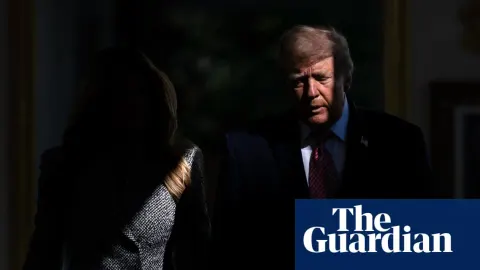
In a historic state dinner in Beijing, President Donald Trump and Chinese leader Xi Jinping have signaled a rare moment of alignment regarding the Strait of Hormuz. Both leaders emphasized that the waterway must remain open to support the free flow of global energy, a statement aimed at calming markets that have been rattled by recent vessel seizures and rising insurance premiums. Xi Jinping reportedly warned Trump about the "Thucydides Trap"—the historical tendency of a rising power and an established power to stumble into war—but the overall tone remained surprisingly positive. This cooperation is vital for China, which faces a projected 5.5% plunge in gasoline consumption this year as soaring oil prices, driven by the regional conflict, accelerate the domestic shift toward electric vehicles.
For Iran, this US-China consensus is a double-edged sword. While it may prevent a total blockade of the Strait, it also suggests that Tehran’s primary economic partner, Beijing, is prioritizing energy stability over regional ideological alliances. The agreement highlights that even as China and the US compete for global dominance, the physical security of oil transit is a non-negotiable floor for their bilateral relations. This puts immense pressure on Iranian policy-makers to ensure that their maritime strategy does not alienate the very markets they rely on for oil exports, especially as global demand patterns begin to shift permanently toward alternative energies.
The Energy Paradox: Texas Glut vs. Global Scarcity
While the Middle East grapples with supply disruptions, a bizarre economic phenomenon is unfolding in the United States. In the Permian Basin of West Texas, natural gas production has so far outpaced pipeline capacity that prices have turned negative. Producers are effectively paying buyers to haul the gas away, even as Europe and Asia face rationing and blackouts due to the war-induced energy crunch. This massive inventory glut in the US shale heartland underscores the logistical bottlenecks that prevent American energy from fully stabilizing global prices. It is a stark reminder that energy security is as much about infrastructure and geography as it is about raw production levels.
Meanwhile, the technology sector is facing its own set of challenges that intersect with energy and public sentiment. A new Gallup survey reveals that 70% of Americans oppose the construction of AI data centers in their local communities, citing concerns over noise and massive electricity consumption. Paradoxically, while the public resists the infrastructure, the cost of the technology continues to climb; Razer recently announced a $500 price hike for its flagship Blade 18 laptop, now starting at $3,999. This reflects a broader trend where the physical and financial costs of the "AI revolution" are hitting a ceiling, potentially cooling the market enthusiasm that has driven tech stocks to record highs over the past year.
Regional Diplomacy and the BRICS Connection
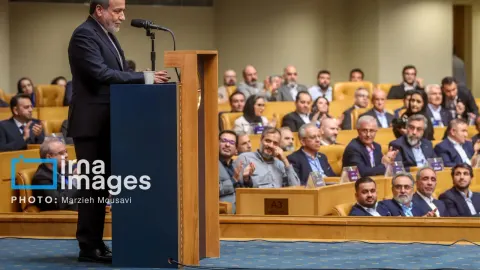
In New Delhi, Iranian Foreign Minister Abbas Araghchi met with his Russian counterpart, Sergei Lavrov, on the sidelines of the BRICS meeting to discuss the rapid developments in the Persian Gulf. The meeting focused on coordinating a response to the "secret attacks" allegedly carried out by Gulf states within Iran, a story that has added a layer of complexity to the regional security architecture. Russia remains a critical strategic partner for Tehran, especially as it seeks to navigate the economic sanctions that continue to isolate it from Western financial systems. The discussions emphasized a shared interest in creating a multipolar financial order that is less dependent on the US dollar, which remains the primary weapon of economic pressure against both nations.
For the average investor in Iran, these high-level diplomatic maneuvers are the primary drivers of market sentiment. The Emami coin rose from 196,000,000 to 197,000,000 Toman (+0.5%) as a direct result of the perceived risk premium. As long as the "secret war" between regional rivals continues to simmer under the surface of official diplomacy, the demand for hard assets like gold and coins will remain elevated. The BRICS summit serves as a reminder that while the US and China talk in Beijing, the rest of the world is actively trying to build a parallel economic reality that can withstand the shocks of a fractured global order.
Frequently Asked Questions
Why is the USD/IRR exchange rate rising despite diplomatic talks?
What was the outcome of the Trump-Xi meeting regarding the Strait of Hormuz?
Why are natural gas prices negative in the US while global prices are high?
The Geopolitical and Economic Significance of the Strait of Hormuz
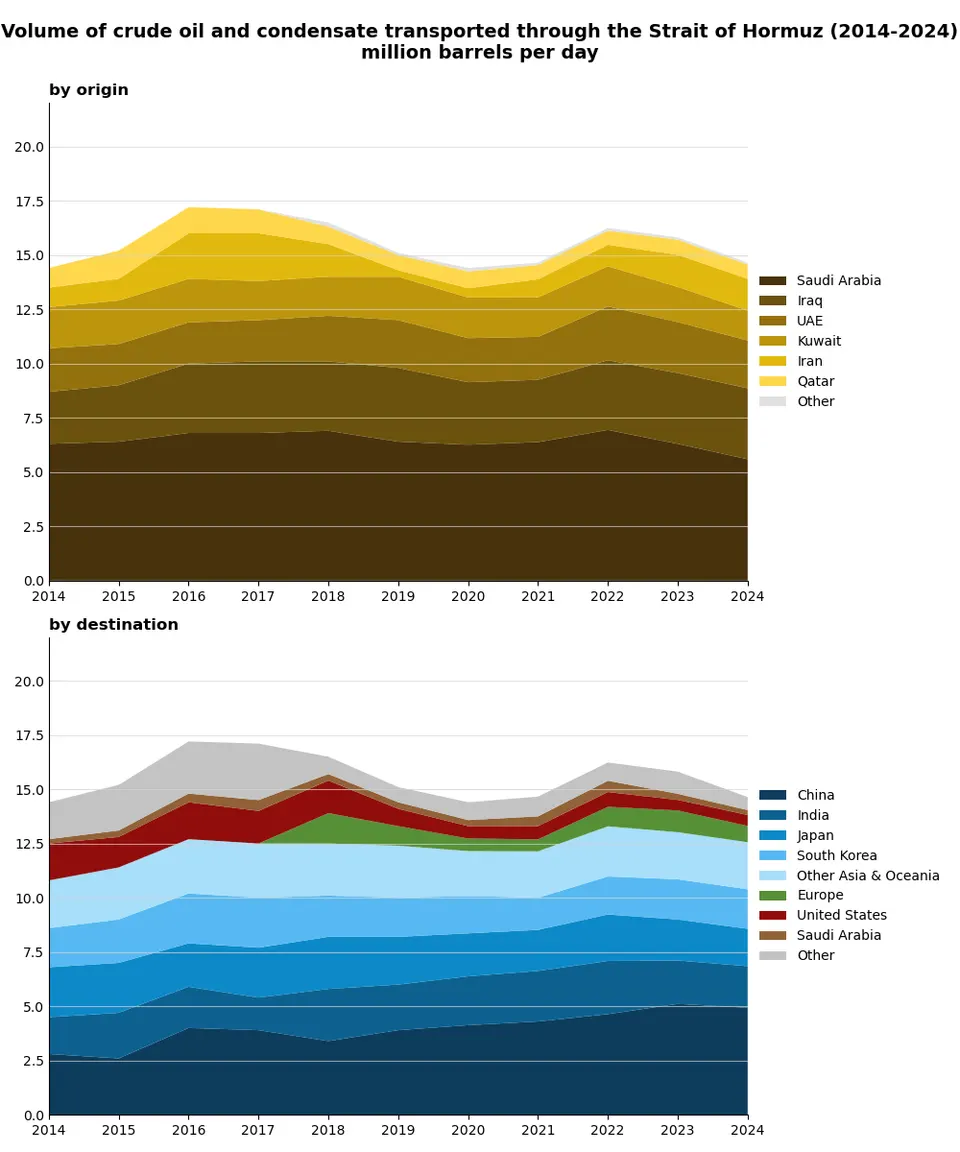
The Strait of Hormuz is a narrow, strategically vital waterway connecting the Persian Gulf to the Arabian Sea and the broader Indian Ocean. At its narrowest point, it is only about 21 nautical miles (39 km) wide, yet it serves as the sole maritime passage for a substantial portion of the world's energy supply. This makes it a critical global choke point, whose uninterrupted flow is essential for global economic stability.
Its significance stems from the sheer volume of oil and liquefied natural gas (LNG) that passes through it daily. Approximately one-fifth of the world's total petroleum consumption, and a significant amount of LNG, transits the Strait. Major oil-producing nations bordering the Persian Gulf—including Saudi Arabia, Iran, the United Arab Emirates, Kuwait, Iraq, and Qatar—rely almost exclusively on this waterway to export their vast hydrocarbon resources to international markets in Asia, Europe, and North America.
Given its pivotal role in global energy trade, the Strait of Hormuz is a focal point of geopolitical tensions. Any threat to its free passage, whether from regional conflicts, piracy, or political disputes, can send shockwaves through international energy markets, leading to sharp spikes in oil prices and significant disruptions to global supply chains. The recent headline referencing leaders vowing to keep Hormuz open underscores the constant international concern over maintaining stability and ensuring the unimpeded flow of energy through this indispensable maritime corridor. Understanding the Strait of Hormuz is key to grasping the intricate connections between geopolitics, energy security, and global economic health.
Topics
Related Articles