Musk vs. Altman: The Battle for AI’s Soul as the 180,000 Toman Dollar Rattles Tehran
نبرد ماسک و آلتمن بر سر آینده هوش مصنوعی؛ دلار ۱۸۰ هزار تومانی در بازار تهران رکورد زد
A high-stakes legal battle between Elon Musk and Sam Altman enters a critical phase, while the Iranian Toman faces new pressure, crossing the 180,000 threshold against the USD.
At time of publishing
USD
180,600
Toman
Gold 18K
20.45M
Toman / gram
Bitcoin
$81,553
US Dollar
Tether
17,897.1
Toman
The Trial of the Century: Musk vs. Altman
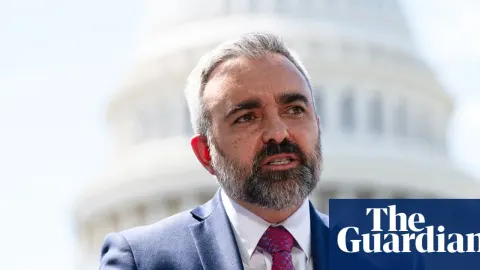
At 20:00 Tehran time, the tech world remains transfixed by the escalating legal warfare between Elon Musk and Sam Altman. The trial, which centers on whether OpenAI abandoned its altruistic founding mission in favor of a profit-driven partnership with Microsoft, has reached a fever pitch. Musk’s legal team argues that OpenAI's transition into a 'closed-source' entity violates the original agreement to develop Artificial General Intelligence (AGI) for the benefit of humanity. This isn't just a corporate spat; it is a fundamental debate over who controls the most powerful technology of the 21st century.
For developers and tech enthusiasts in Iran, the outcome of this trial could dictate the accessibility of future AI models. If Musk succeeds in forcing OpenAI to return to an open-source framework, it could democratize high-level AI tools that are currently restricted by corporate paywalls and geopolitical sanctions. Conversely, a victory for Altman would solidify the current trajectory of centralized, commercialized AI, potentially leaving regions with limited capital or political leverage further behind in the global tech race.

The 180,000 Toman Threshold and the Global Energy Windfall
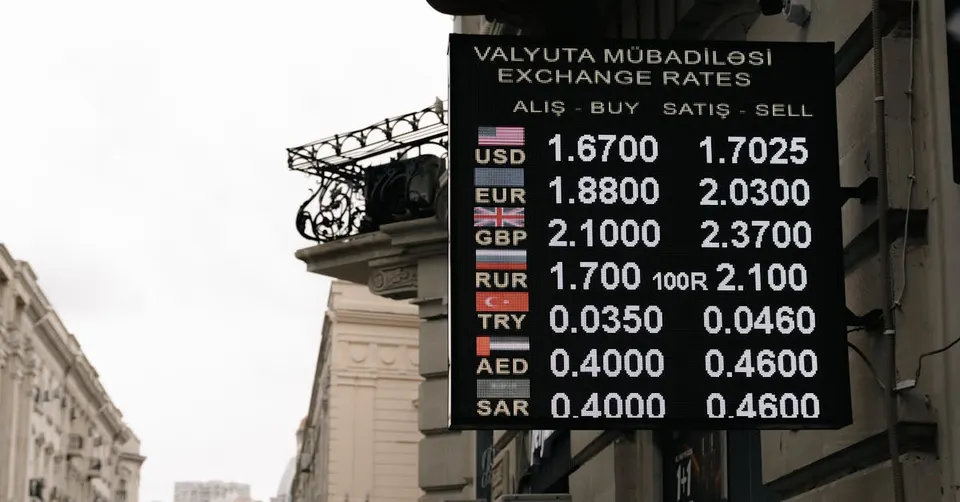
The Iranian currency market has reached a psychological and economic milestone today. USD/IRR moved from 179,550 to 180,600 (+0.6%), marking a significant breach of the 180,000 Toman level. This depreciation is mirrored in the precious metals market, where Gold 18k/gram rose from 20,379,518 to 20,448,081 (+0.3%) and the Emami coin increased from 196,000,000 to 197,000,000 (+0.5%). These shifts reflect a growing anxiety among domestic investors regarding the prolonged closure of the Strait of Hormuz and its impact on the national budget.
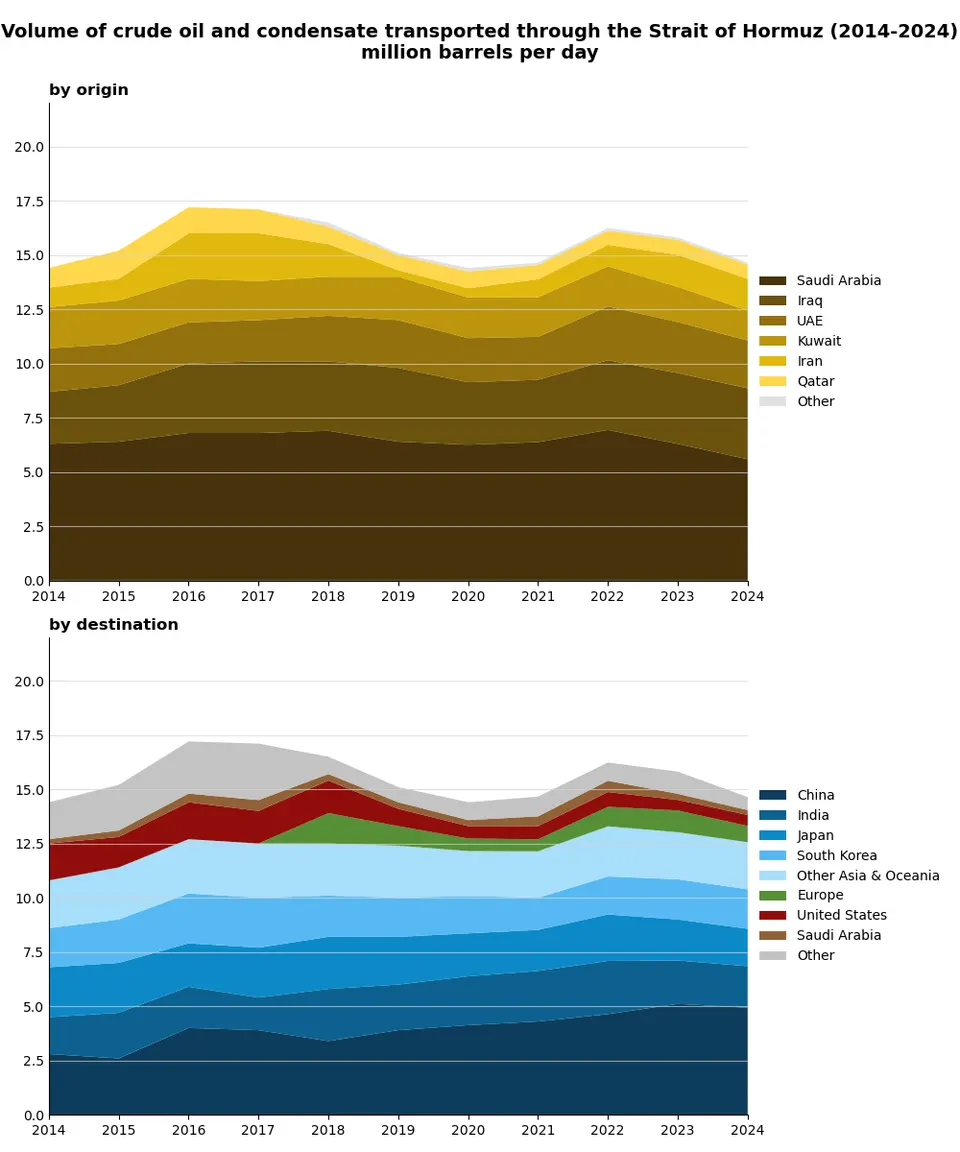
While Iran faces domestic inflationary pressure, Russia is paradoxically benefiting from the regional chaos. With the Strait of Hormuz effectively shut down, global oil supply has tightened, pushing Russia’s Urals blend to an average price of $94.87 per barrel. This is an 18% increase from April and nearly 60% higher than last year. Moscow is essentially printing money from the very conflict that is straining the Iranian economy, highlighting a complex divergence in the fortunes of these two strategic partners. For the Iranian consumer, this means higher costs of living as the Toman's purchasing power continues to erode against a backdrop of global energy volatility.
Decentralized Power and Regional Diplomacy
On the diplomatic front, Foreign Minister Abbas Araghchi met with his Thai counterpart, Maris Sangiampongsa, on the sidelines of the BRICS gathering in New Delhi. The primary focus remains the ongoing conflict in West Asia and the potential for BRICS to act as a stabilizing force. However, the real story lies in the shifting power dynamics within Tehran. Since the onset of the war in late February, experts note that decision-making has become increasingly decentralized. With the Supreme Leader’s role in transition and the IRGC taking a more prominent administrative lead, the international community is watching closely to see who truly holds the levers of power.
This decentralization creates a unique challenge for international markets and negotiators. Without a single, centralized voice, Iranian policy may become more reactive and fragmented. For investors, this translates to higher risk premiums. The meeting in New Delhi suggests that Iran is still seeking to maintain its 'Look to the East' strategy, hoping that BRICS membership will provide a financial and diplomatic lifeline as Western sanctions and the domestic energy crisis continue to bite. The stability of the Toman in the coming weeks will likely depend more on these backroom diplomatic maneuvers than on traditional economic indicators.
Global Fragility: From Cuba’s Energy Crisis to the UK’s Social Strain
Beyond the Middle East, the world is grappling with systemic failures that echo the current global instability. Cuba is currently considering a $100 million aid offer from the United States as its energy grid nears total collapse. This rare potential for cooperation between Havana and Washington highlights the desperation of the Cuban state, which has been plagued by chronic shortages. Meanwhile, in the United Kingdom, a damning report from Louise Casey describes a social care system 'living in agony,' relying on millions of unpaid carers to prevent a total societal breakdown.
These seemingly disparate stories point to a broader trend of infrastructure and social safety nets failing under the weight of the current global economic order. Whether it is the lack of electricity in Havana or the lack of care in London, the theme is the same: the old systems are no longer sufficient for the crises of 2026. For the Iranian reader, these stories serve as a reminder that economic hardship and institutional strain are not unique to the Middle East, but are part of a wider global realignment where resources are becoming increasingly scarce and contested.
Frequently Asked Questions
Why is the lawsuit between Elon Musk and Sam Altman important for regular users?
What caused the USD to reach 180,600 Toman today?
How is Russia profiting from the conflict in the Persian Gulf?
What is the status of Iran's leadership according to recent reports?
Understanding Currency Depreciation in Sanctioned Economies
When a headline mentions the dollar exchanging for 180,000 Toman, it immediately signals a severe case of currency depreciation. Currency depreciation occurs when the value of one country's currency falls relative to another, meaning it takes more units of the local currency to buy a single unit of a foreign currency. For instance, if the Toman depreciates against the U.S. dollar, Iranians need to spend significantly more Toman to acquire the same amount of dollars, directly impacting their purchasing power for imported goods and services.
The causes of currency depreciation are multifaceted. Common factors include high domestic inflation, which erodes the purchasing power of a currency internally, making it less attractive internationally. Large trade deficits, where a country imports more than it exports, can also flood the market with local currency, driving down its value. Furthermore, political instability, lack of investor confidence, or capital flight can lead investors to sell off local currency assets in favor of more stable foreign assets, accelerating depreciation.
In economies operating under international sanctions, such as Iran, these general pressures are dramatically amplified. Sanctions severely restrict a country's ability to earn foreign currency through exports, particularly oil, and limit its access to international financial markets. This creates a chronic shortage of foreign exchange within the country. With fewer dollars or euros available, and continued demand for imports or capital flight, the local currency's value plummets against hard currencies, often leading to a parallel market where the exchange rate is significantly higher than the official rate.
The ramifications of severe currency depreciation are profound for ordinary citizens. Imported goods, from food staples and medicines to industrial components, become prohibitively expensive, fueling domestic inflation. Businesses struggle to acquire necessary raw materials, leading to production cuts and job losses. Savings held in local currency rapidly lose their value, eroding wealth and deepening poverty. This economic instability can also exacerbate social unrest and make long-term planning incredibly difficult for both individuals and the government.
Topics
Related Articles