GOP Stalls on Trump’s Iran War Powers as Tehran Proposes Bold Hormuz Tolls
تعلل جمهوریخواهان در مهار اختیارات جنگی ترامپ؛ طرح جنجالی تهران برای عوارض تنگه هرمز
Republican lawmakers admit they may be too late to limit President Trump’s war powers regarding Iran, while Tehran’s new plan to tax Strait of Hormuz shipping creates a diplomatic crisis for Oman. Meanwhile, local gold prices in Tehran have slumped 3% despite a stagnant dollar.
At time of publishing
USD
180,400
Toman
Gold 18K
19.82M
Toman / gram
Bitcoin
$79,288
US Dollar
Tether
17,969.8
Toman
GOP Lawmakers Face 'Too Late' Reality in Curbing Trump’s Iran War Powers
In a significant shift within Washington’s political landscape, Republican lawmakers are reportedly acknowledging that their window to limit President Donald Trump’s executive authority over the ongoing conflict with Iran has effectively closed. For months, members of the G.O.P. deferred to the White House, hoping for a strategic resolution, but as the conflict enters a more volatile phase, many now realize they have missed critical legislative milestones. This lack of oversight has left the presidency with broad, nearly unilateral control over war powers, with no clear exit criteria or established parameters for de-escalation. The internal friction highlights a growing realization that the administration’s hardline stance may persist without the traditional checks and balances provided by Congress.
For readers in Iran and global investors, this political paralysis in the U.S. Capitol translates directly into market uncertainty. While the USD/IRR exchange rate remained flat at 180,400 Toman today, the long-term risk premium remains embedded in the economy. The absence of a legislative "brake" on military action means that any sudden escalation in the Persian Gulf could trigger immediate shocks to the Toman and regional trade. German Chancellor Friedrich Merz’s recent "good" phone call with Trump, following a public spat over Iran policy, suggests that even European allies are now focused on damage control rather than influencing a fundamental change in U.S. strategy.
Oman Caught in Crossfire Over Iran’s Bold Strait of Hormuz Management Plan
Tehran has recently claimed a joint coordination effort with Muscat to implement a new management system for the Strait of Hormuz, which includes a controversial plan to charge fees to commercial shipping vessels. This move has placed the Sultanate of Oman in a precarious diplomatic position, caught between its historic role as a mediator and the intense pressure from Washington to reject such measures. The proposed plan would require all transiting ships to provide detailed nationality information and pay levies to a new Iranian government agency, a move the U.S. and Israel have vowed to oppose. The Omani exclave of Musandam, which sits directly on the waterway, is at the heart of this geopolitical tug-of-war.
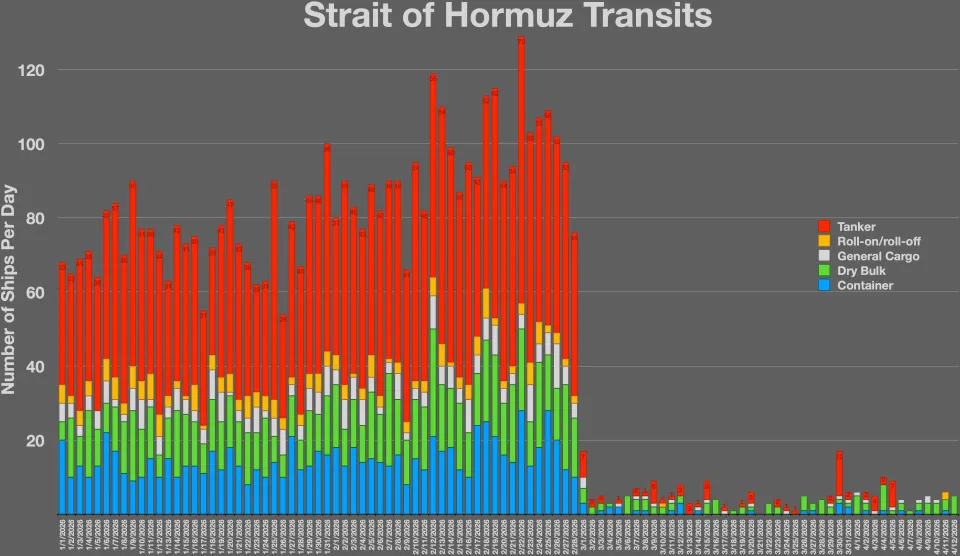
The broader context of this move is the 10-week blockade that has crippled regional maritime traffic following the military flare-ups in February. While Pakistan has managed a rare diplomatic feat by securing the passage of Qatari LNG tankers through the strait, most other nations remain locked out or face prohibitive insurance costs. The Iranian strategy appears to be an attempt to formalize its control over the waterway, turning a military blockade into a permanent economic and regulatory lever. If successful, this would fundamentally alter global energy logistics, forcing a redesign of how oil and gas are moved from the Middle East to Asian and European markets.
Argentina’s Vaca Muerta: The New Global Hedge Against Persian Gulf Risks
As the instability in the Strait of Hormuz continues to threaten global energy security, international energy firms are aggressively seeking alternatives. Argentina’s Vaca Muerta shale formation has emerged as the premier candidate to fill this void. The Argentine government has recently opened 15 new exploration blocks, marking its largest bid round in a decade. This surge in interest is a direct consequence of the "Hormuz Risk," as importing nations look for reliable barrels of oil and gas that do not have to pass through contested chokepoints. Vaca Muerta’s massive reserves are now seen not just as an Argentine asset, but as a critical component of global energy diversification.
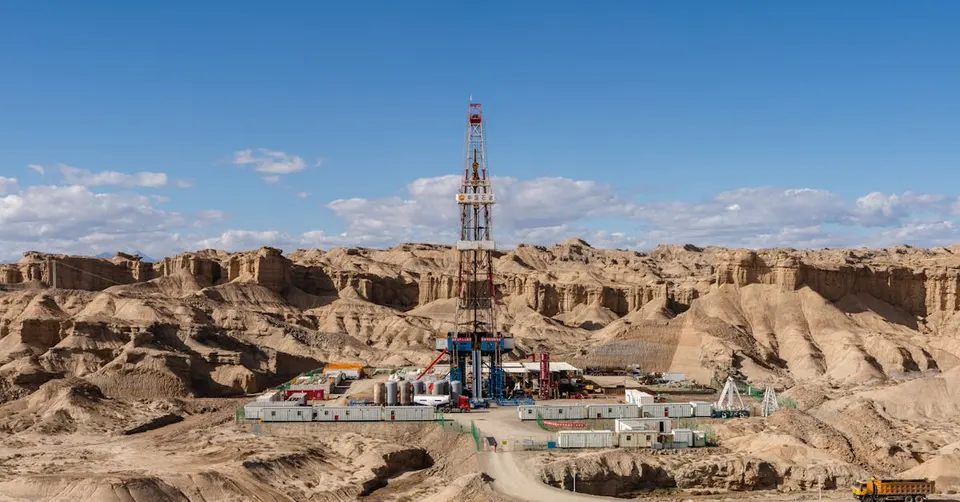
For the Iranian economy, this shift represents a long-term structural threat. As global capital flows toward projects in South America and the U.S. shale basins, the strategic leverage traditionally held by Persian Gulf producers begins to erode. If the world successfully diversifies its energy supply, the impact of blockades in the Strait of Hormuz will diminish, potentially weakening Tehran’s hand in future negotiations. This trend is already being reflected in global energy markets, where long-term contracts are increasingly being signed with non-Middle Eastern suppliers to mitigate the risk of war-related disruptions.
Market Volatility: Gold Slumps 3% in Tehran as Bitcoin Retreats Below $80,000
Despite a stagnant dollar, the Iranian gold market witnessed a sharp decline today, with 18k gold falling from 20,459,855 to 19,817,858 Toman, a 3.1% drop. This local correction comes at a time when global gold prices remain historically high at $4,543.50 per ounce, suggesting that local factors—perhaps a temporary exhaustion of buyers or a shift in liquidity—are driving the move. Meanwhile, the cryptocurrency market is also under pressure. Bitcoin has dipped to $79,288, falling below the psychologically significant $80,000 mark as rising U.S. bond yields trigger a sell-off in risk assets. Analysts are now warning of a potential "leg down" for Ethereum toward the $1,700 level as ETF demand cools.
Adding to the technological shift in finance, OpenAI has launched a new feature allowing ChatGPT to connect directly to users' bank accounts via Plaid. This move toward AI-driven personal finance management aims to provide users with real-time dashboards of their portfolios and spending habits. However, it also raises significant questions about data privacy and the security of financial assets in an era where AI agents are increasingly given executive power over personal wealth. For Iranian users, who often operate in a fragmented financial environment, such global tech advancements remain a double-edged sword, offering efficiency but also increasing exposure to centralized digital monitoring.
Frequently Asked Questions
Why is the GOP unable to limit Trump's war powers now?
What is the new proposed fee for the Strait of Hormuz?
Why did gold prices drop in Tehran while the dollar remained stable?
How does Argentina's Vaca Muerta affect Iran's strategic position?
The Strategic Significance of Maritime Chokepoints: The Strait of Hormuz
Maritime chokepoints are narrow sea passages that are critical for global trade, particularly for the transport of energy resources like oil and liquefied natural gas (LNG). These geographical bottlenecks, often natural straits or canals, are incredibly strategic because any disruption to their flow can have profound economic and geopolitical consequences worldwide. Their limited width and depth make them vulnerable to blockades, piracy, or military conflict, turning them into flashpoints where regional tensions can quickly escalate into international crises.
The Strait of Hormuz stands as perhaps the most vital maritime chokepoint globally, connecting the Persian Gulf with the Arabian Sea and beyond. It is the sole sea passage from the Persian Gulf to the open ocean for a vast array of oil-producing nations, including Saudi Arabia, Iran, Iraq, Kuwait, Qatar, and the UAE. An astonishing percentage of the world's seaborne oil and a significant portion of its LNG pass through this narrow waterway daily, making it indispensable for global energy security. Iran's long coastline along the Strait gives it significant leverage, and past threats to close the Strait have consistently sent shockwaves through international markets.
The recent proposal by Tehran to impose "Hormuz Tolls" highlights the immense strategic value placed on this waterway. Such a move would challenge established principles of international maritime law, specifically the right of "transit passage" through international straits, as enshrined in the United Nations Convention on the Law of the Sea (UNCLOS). While nations bordering international straits have certain rights, imposing tolls on transit passage is generally not permitted under UNCLOS, which aims to ensure freedom of navigation. This proposal, therefore, isn't just about revenue generation; it's a powerful geopolitical statement, asserting control and potentially seeking to re-negotiate the terms of passage through a critical artery of global commerce.
Understanding maritime chokepoints, especially the Strait of Hormuz, is crucial for comprehending international energy markets, geopolitical power dynamics, and the delicate balance between national sovereignty and freedom of navigation. Any attempt to unilaterally control or monetize such a passage carries significant risks, potentially leading to international condemnation, diplomatic disputes, and even military confrontation, given the world's reliance on uninterrupted trade through these vital arteries.
Topics
Related Articles