Weinstein Mistrial Stuns New York as Tech Stocks Slide on China Chip Deadlock
ابطال دادگاه واینستین در نیویورک همزمان با ریزش سهام تراشهسازان تحت تاثیر بنبست پکن
A New York judge has declared a mistrial in the Harvey Weinstein rape retrial, leaving the landmark case in limbo. Meanwhile, chip giants Nvidia and Intel saw significant declines as hopes for a breakthrough in US-China semiconductor trade faded following the Beijing summit.
At time of publishing
USD
180,400
Toman
Gold 18K
19.89M
Toman / gram
Bitcoin
$79,282
US Dollar
Tether
17,896.3
Toman
The Weinstein Deadlock: A Cultural Landmark in Limbo
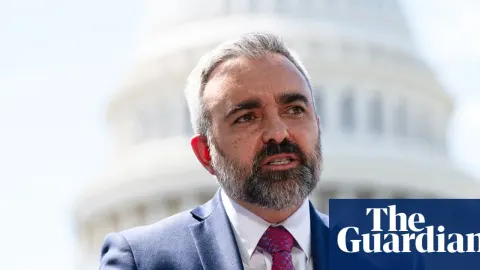
For the third time, a New York jury has failed to reach a consensus on the rape charges against former Hollywood mogul Harvey Weinstein. The 74-year-old, who has already been convicted of other sex crimes on both coasts, saw his New York retrial end in a mistrial this Friday. The deadlock highlights the immense difficulty of litigating historical sexual assault cases, even when the defendant is one of the most high-profile figures of the #MeToo era. For many observers, this outcome is a frustrating pause in a legal journey that was meant to provide a definitive conclusion to one of the most significant cultural reckonings in modern history.
While Weinstein remains behind bars due to prior convictions, the mistrial leaves the specific New York charges in a state of uncertainty. Prosecutors must now decide whether to pursue a fourth trial, a move that would require significant resources and put the survivors through another grueling public testimony. This legal stalemate serves as a reminder that even the most high-profile cases are subject to the complexities of the jury system, where a single dissenting voice can derail years of investigation and legal maneuvering. For the broader public, it raises questions about the long-term efficacy of the legal system in addressing systemic abuse within the entertainment industry.

Tech Stocks Retreat as AI Exuberance Hits a China Wall
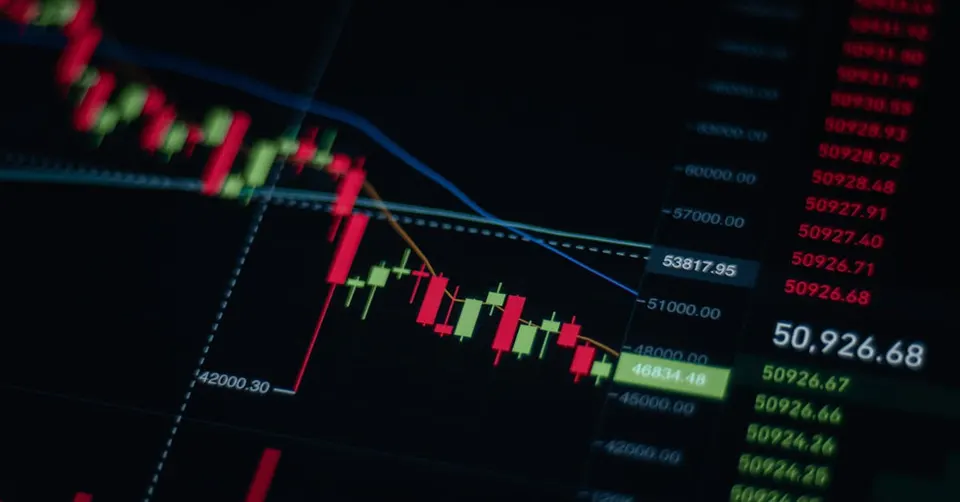
The initial optimism surrounding the Trump-Xi summit in Beijing has begun to sour for the tech sector. Shares of Nvidia and Intel fell sharply on Friday as market participants realized that a breakthrough regarding semiconductor export controls remains elusive. US Trade Representative Jamieson Greer confirmed that chip export restrictions were not a major focus of the bilateral discussions, effectively cooling hopes that Nvidia’s advanced H200 chips would soon find their way back into the lucrative Chinese market. This "China disappointment" has rippled through the industry, suggesting that the geopolitical divide in high-tech manufacturing is becoming a permanent fixture of the global economy.
This shift in sentiment comes at a time when the broader "AI trade" is facing increased scrutiny. While artificial intelligence remains a transformative force, investors are beginning to demand more concrete evidence of long-term profitability beyond hardware sales. The decline in chip stocks reflects a growing concern that the rapid expansion of the past year may be hitting a ceiling, particularly as global trade tensions persist. For Iranian investors and tech enthusiasts, this volatility underscores the sensitivity of the global market to US-China relations, which often dictate the pace of technological adoption and the availability of high-end hardware worldwide.
Geopolitical Risk and the Tehran Market Response
In Tehran, the markets are reacting to a complex mix of internal and external pressures. While the US Dollar remained stable at 180,400 Toman, gold prices saw a notable retreat. Gold 18k per gram moved from 20,459,855 to 19,890,345 Toman, representing a -2.8% decline. This drop in gold, often a hedge against immediate conflict, suggests that while the Beijing summit did not produce a definitive breakthrough on sanctions, it may have temporarily lowered the immediate risk premium associated with a military escalation in the region. However, reports of a surge in internal executions since the regional cease-fire have kept human rights groups and the international community on high alert, adding a layer of domestic tension to the economic landscape.

Furthermore, the stalemate over the Strait of Hormuz continues to weigh on investor sentiment. With no clear agreement on "tolling" or military control coming out of the Beijing meetings, the strategic waterway remains a potential flashpoint. The Trump administration’s decision to refill the Strategic Petroleum Reserve (SPR) at a 1.2-to-1 ratio indicates a long-term strategy to bolster US energy security, which could eventually impact global oil prices and, by extension, Iran’s primary source of revenue. For the average Iranian citizen, these macro shifts translate into a continued environment of "wait and see," where savings strategies are increasingly focused on long-term resilience rather than short-term speculation.
The AI Job Market: Why an 18-Month Cushion is the New Standard
As AI continues to reshape the global workforce, financial experts are sounding the alarm on traditional savings advice. The standard six-month emergency fund is no longer considered sufficient in an era where AI-driven layoffs can lead to prolonged periods of unemployment for specialized workers. New recommendations suggest that those in tech-adjacent roles should aim for an 18-month cash cushion to navigate the "re-skilling" periods that are becoming more common. This shift highlights the disruptive power of AI agents, a field that OpenAI is currently reorganizing its entire executive structure to dominate, as seen in the recent promotion of Greg Brockman to lead all product strategies.
This economic trend is not limited to Silicon Valley; its effects are felt globally as companies everywhere look to automate routine tasks. For workers, the message is clear: the pace of change is accelerating, and financial flexibility is the only true form of job security. Whether it is a developer in Tehran or a project manager in New York, the need to hedge against technological displacement is becoming a central pillar of personal finance. As the "AI agent" battle intensifies, the winners will be those who not only embrace the technology but also prepare for the inevitable friction it creates in the labor market.
Frequently Asked Questions
Why was a mistrial declared in the Harvey Weinstein case?
Why are Nvidia and Intel stocks falling despite the Beijing summit?
Why did gold prices drop in Tehran while the USD remained stable?
Understanding the US‑China Semiconductor Export Controls
The semiconductor industry is the backbone of modern technology, powering everything from smartphones to artificial‑intelligence servers. The United States designs and manufactures a disproportionate share of the most advanced chips—especially the high‑performance GPUs used for AI workloads—while China is the world’s largest consumer of these components. This asymmetry has turned chips into a strategic bargaining chip in the broader US‑China rivalry.
Export controls are the primary tool Washington uses to limit China’s access to cutting‑edge semiconductors. The U.S. Department of Commerce maintains an "Entity List" of firms that must obtain a license before receiving advanced technology. In 2022 and 2023, the list was expanded to include Chinese giants such as SMIC and several AI‑focused startups, and it specifically targeted GPUs from Nvidia and AMD that are capable of running large language models. When the restrictions were announced, investors reacted sharply: Nvidia’s stock fell more than 5 % in a single day, dragging down other tech shares and contributing to a broader market sell‑off.
The economic fallout extends beyond stock prices. Companies that rely on Chinese manufacturing now face longer lead times and higher costs as they scramble to source components from alternative suppliers or to bring production back home—a process known as “reshoring.” At the same time, Chinese firms are accelerating their own chip‑design programs, but the gap in process technology (e.g., 5 nm vs. 7 nm nodes) remains significant, creating a "chip deadlock" that can slow AI development worldwide. This tension also feeds into other geopolitical flashpoints, from the Strait of Hormuz to upcoming high‑level summits, because technology dominance is increasingly linked to national security.
Looking ahead, the export‑control regime is likely to become more granular, with the U.S. focusing on specific functionalities such as AI inference rather than whole product categories. Firms like OpenAI and other AI startups may feel the pinch as access to the most powerful GPUs tightens, potentially prompting reorganizations and cost‑saving layoffs. Meanwhile, investors keep a close eye on policy signals, knowing that any shift—whether a relaxation or a tightening—can move markets in minutes.
Topics
Related Articles