Ukrainian Denies Starmer Arson Plot; Iran's Farhadi Condemns Violence; US Targets Mexican Officials
اوکراینی نقشه آتشسوزی استارمر را رد کرد؛ فرهادی خشونت را محکوم کرد؛ آمریکا مقامات مکزیکی را هدف قرار میدهد
A Ukrainian national has denied involvement in a plot to set fire to a UK politician's property, while acclaimed Iranian director Asghar Farhadi spoke out against state violence. Meanwhile, the US Justice Department is adopting a new strategy to target Mexican officials using terrorism laws.
At time of publishing
USD
180,400
Toman
Gold 18K
19.89M
Toman / gram
Bitcoin
$79,116
US Dollar
Tether
17,899.9
Toman
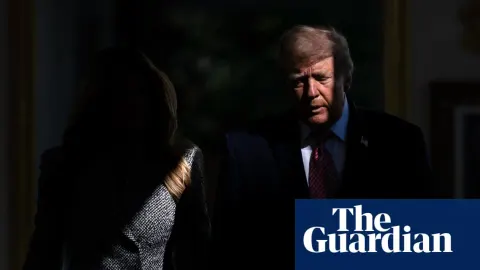
Ukrainian Denies Role in Starmer Arson Plot
A Ukrainian man named Petro Pochynok has pleaded not guilty to charges related to an alleged plot to set fire to properties associated with UK Prime Minister Keir Starmer. The trial, which is ongoing, involves Pochynok and two other individuals accused of orchestrating an arson attack. This development brings a direct, albeit tangential, connection to Western political stability, a factor that can indirectly influence global risk sentiment and, by extension, markets that Iran closely watches.
The significance for Iran lies in the broader context of geopolitical tensions and security concerns that can ripple across international relations. While this specific case is a domestic UK matter, any perceived instability or involvement of foreign nationals in politically motivated crimes can heighten global anxieties. Such anxieties can lead to shifts in investor confidence, affecting currency valuations and capital flows, which are critical for Iran's economic planning and its engagement with international markets. The court's proceedings will be closely observed for any revelations that might touch upon broader security networks or international cooperation in combating such threats.
---
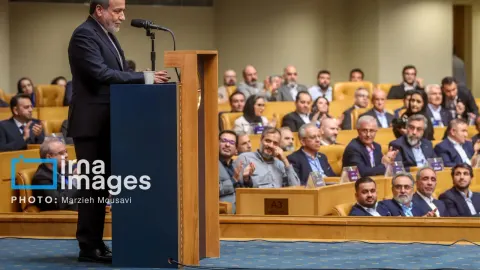
Asghar Farhadi Condemns State Violence and War
Acclaimed Iranian filmmaker Asghar Farhadi has used his platform at the Cannes Film Festival to speak out against state violence and the ongoing conflict involving Iran, the US, and Israel. Farhadi, a two-time Oscar winner, described the deaths of civilians in his home country as "extremely cruel and tragic" during a press conference. He also addressed the repression of protesters within Iran and the bombing campaigns associated with the war, highlighting the human cost of political and military actions.

Farhadi's powerful words resonate deeply within Iran and among the Iranian diaspora, serving as a stark reminder of the internal and external pressures the nation faces. For Iranians, such public condemnations from a globally respected figure can influence public discourse and morale, potentially impacting domestic confidence. On the international stage, Farhadi's statements add a cultural and humanitarian dimension to geopolitical discussions, potentially influencing international perception and diplomatic approaches toward Iran. This can indirectly affect sanctions, trade relations, and the overall economic climate, which are paramount for the Iranian Toman and its market stability.
---
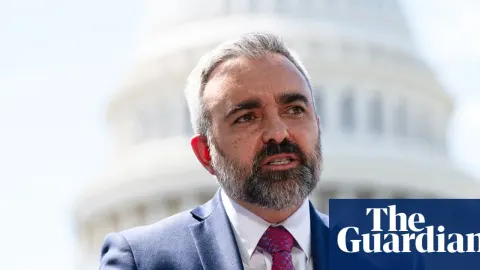
US Justice Department Targets Mexican Officials with Terrorism Laws
The U.S. Justice Department is reportedly instructing federal prosecutors to pursue criminal drug cases against Mexican officials by leveraging terrorism statutes. This represents a significant shift in strategy, moving beyond traditional drug trafficking charges to employ laws typically reserved for combating international terrorism. The aim is to exert greater pressure on corrupt elements within the Mexican government that facilitate drug cartunganization and the flow of illicit substances into the United States.

The implications for Iran, while not direct, are tied to the broader geopolitical landscape of international law enforcement and inter-state relations. The U.S.'s willingness to employ aggressive tactics against officials of a neighboring country could signal a hardening stance on foreign policy and international cooperation on security matters. For Iran, this could translate into heightened scrutiny of its own dealings with foreign entities and potential partners, as well as a more cautious approach to international agreements. Such policy shifts can influence global trade routes, risk appetite for emerging markets, and the overall perception of stability, all of which have a bearing on the Iranian economy and its currency.
Frequently Asked Questions
What is the latest development regarding the alleged arson plot against UK politician Keir Starmer?
What did Iranian director Asghar Farhadi say at the Cannes Film Festival?
What new tactic is the US Justice Department employing against Mexican officials?
How has the price of gold changed in the last 24 hours?
What is the current exchange rate for USD to IRR?
Extraterritorial Jurisdiction: How Countries Reach Beyond Their Borders
Extraterritorial jurisdiction (ETJ) is a legal principle that allows a state to apply its laws to conduct that occurs outside its own territory. While sovereignty traditionally limits a nation’s legal reach to its borders, ETJ is invoked when a state believes that actions abroad have significant effects at home, threaten national security, or involve its citizens. The United States, for example, frequently uses ETJ in anti‑terrorism, anti‑corruption, and sanctions regimes, allowing agencies like the Justice Department to investigate foreign officials for crimes that have a nexus to the U.S., such as money laundering through American banks.
In practice, ETJ can be controversial because it pits one country’s legal ambitions against another’s sovereignty. The U.S. targeting of Mexican officials under the Foreign Corrupt Practices Act (FCPA) and anti‑terrorism statutes illustrates this tension: officials are accused of facilitating illicit activities that impact U.S. interests, even though the alleged conduct happened entirely in Mexico. Similarly, the UK’s recent discussions about applying its terrorism laws to foreign actors involved in plots against British citizens abroad show how ETJ is used as a tool of geopolitical leverage.
The concept also matters for cultural figures like Iranian filmmaker Asghar Farhadi, who navigates a complex web of international politics when presenting work at events such as the Cannes Film Festival. While the festival itself is a cultural platform, governments may seek to exert pressure on artists through extraterritorial measures—sanctions, travel bans, or legal actions—if their statements intersect with contentious geopolitical issues. Understanding ETJ helps explain why a filmmaker’s speech in France can trigger diplomatic responses from Tehran or why a U.K. politician’s alleged involvement in a foreign plot can become a matter of British law.
Critics argue that overuse of ETJ undermines international cooperation and can lead to a “law‑of‑the‑jungle” where powerful states impose their legal standards worldwide. Nonetheless, supporters claim it is essential for addressing transnational crimes that no single country can tackle alone. The balance between respecting sovereignty and protecting national interests remains a central debate in modern international law.
Topics
Related Articles