Iran Blames 'Initiators of War' for Hormuz Crisis as Global Gold Hits $4,541 and Coin Prices Dip
هشدار ایران درباره تبعات بحران هرمز؛ ثبات دلار در ۱۸۰ هزار تومان و کاهش قیمت سکه امامی
Iran's UN envoy asserts that the economic fallout in the Strait of Hormuz is the sole responsibility of aggressors, while domestic markets see a slight dip in coin prices despite record-high global gold.
At time of publishing
USD
180,400
Toman
Gold 18K
19.89M
Toman / gram
Bitcoin
$78,781
US Dollar
Tether
17,905.5
Toman
The Geopolitics of the Strait: Tehran Fixes Responsibility
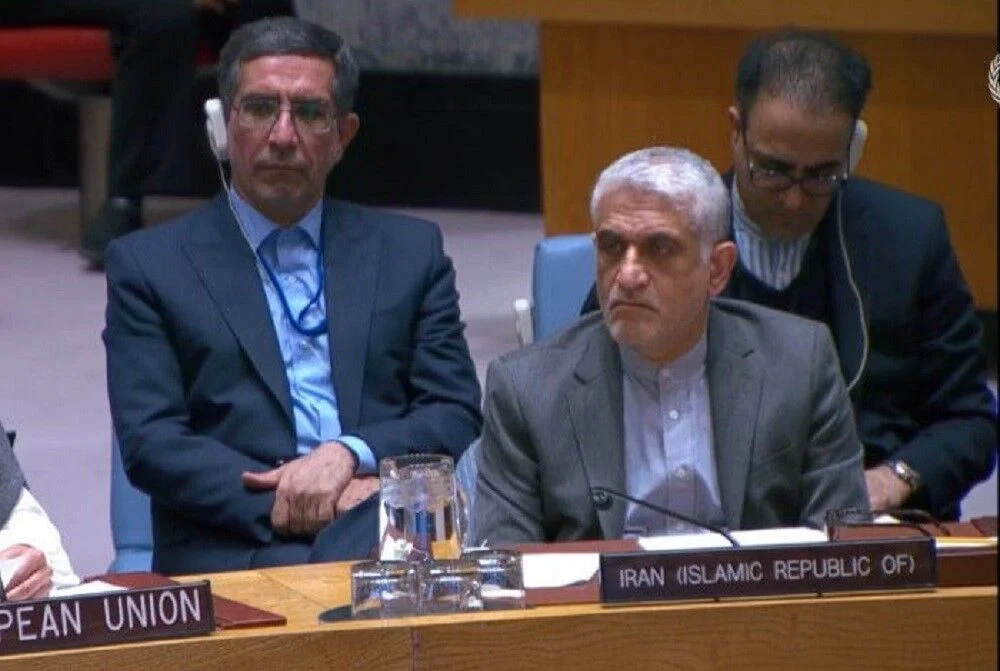
In a sharp diplomatic escalation at the United Nations, Iran’s Ambassador Amir Saeid Iravani has declared that the current instability in the Strait of Hormuz and its mounting global economic repercussions are the "sole" responsibility of those who initiated hostilities against Iran. This statement comes at a critical juncture where maritime insurance premiums are surging and global supply chains are once again feeling the squeeze of regional tension. By framing the disruption as a direct consequence of external aggression and the actions of regional partners of Western powers, Tehran is effectively signaling that it will not be held accountable for the rising costs of global energy transit. For the Iranian reader, this rhetoric serves as a dual-purpose signal. Domestically, it reinforces a narrative of resistance against economic pressure, while internationally, it serves as a warning that any further escalation could lead to more profound disruptions in the world’s most vital oil chokepoint. The ambassador’s comments suggest that until the underlying causes of the regional conflict are addressed, the 'fallout'—which likely refers to both physical security risks and the resulting market volatility—will continue to haunt the international community. This stance places the burden of de-escalation squarely on the shoulders of Washington and its allies.
Domestic Markets: USD Holds Steady While Emami Coin Recedes
As of 10:00 AM Tehran time, the Iranian currency market shows a rare moment of local stability amidst global chaos. The US Dollar (USD) remains unchanged over the last 24 hours, with the sell rate holding firm at 180,400 Toman. Similarly, 18k gold is trading at 19,890,345 Toman per gram, showing no delta from the previous day. However, the Emami gold coin has experienced a slight correction, moving from 197,000,000 to 196,000,000 Toman, a decrease of 0.5%. This minor dip in the coin market suggests a cooling of local speculative fever, even as the global price of gold remains at a staggering historical high of $4,541.20 per ounce. This divergence between global gold strength and local coin prices can be attributed to several factors, including a temporary saturation in domestic demand and the Central Bank's efforts to manage liquidity. While the global market is pricing in significant geopolitical risk—reflected in the $4,540+ gold ounce—the local Toman-denominated market is currently prioritizing the stability of the USD/IRR exchange rate. In other news, the domestic spirit was lifted slightly by the Isfahan-based Foolad Mobarakeh Sepahan, who were crowned champions of the 21st Iran Women’s Handball Premier League after a 25–19 victory over Esteghlal Tehran, reminding citizens that life and competition continue despite the economic headlines.
Global Shifts: Crypto Clarity and the End of the Buffett Era
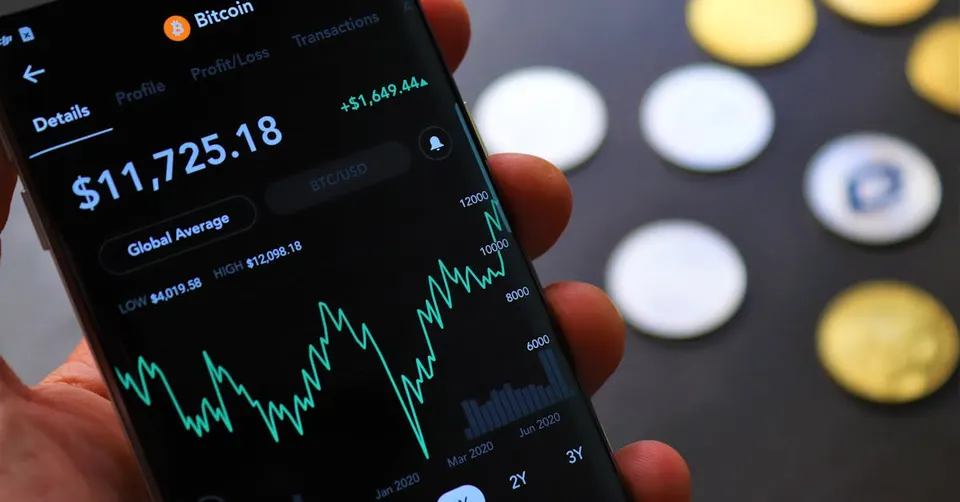
The cryptocurrency market is currently navigating a period of "bullish euphoria" driven by the progress of the US CLARITY Act. Bitcoin (BTC) is trading at $78,781, attempting to hold its ground as institutional sentiment shifts. Analysts at Santiment warn that such high levels of crowd optimism often precede a market reversal, yet the regulatory clarity provided by the new legislation is seen as a long-term structural win for the industry. This comes as Bitcoin looks to snap a six-week winning streak, with risk appetite souring slightly in the face of persistent inflation and high energy costs. In the traditional equity markets, we are witnessing a profound realignment of institutional capital. Following the passing of investment legend Warren Buffett, George Soros’s fund has significantly increased its stake in Berkshire Hathaway, marking a symbolic passing of the torch in the value-investing world. Conversely, David Tepper’s Appaloosa hedge fund has completely exited the 'big three' airline stocks—Delta, American, and United—citing the crushing weight of soaring fuel costs. These moves highlight a broader trend where smart money is fleeing sectors sensitive to energy prices and moving toward tech giants like Amazon and Nvidia, which are perceived as better hedges against the current geopolitical and economic environment.
The Long Arc of Justice: From Nazi Trials to Modern Coups
In a reflection on the historical weight of justice, the world notes the passing of André Cerdini at age 96. Cerdini was the judge who presided over the landmark 1987 trial of Nazi official Klaus Barbie, the first time a French court convicted a Nazi of crimes against humanity. His death serves as a reminder of the enduring nature of legal accountability, a theme echoed in modern headlines. In Melbourne, Australia, the family of teenager Isla Bell is currently demanding justice after prosecutors dropped manslaughter charges in a high-profile case, highlighting the ongoing struggle for transparency and fairness in modern legal systems.

Furthermore, the political landscape in the United Kingdom is witnessing its own form of 'justice' or retribution. Former Labour leader Jeremy Corbyn has spoken out about the "abuse" he faced during what he describes as a party coup, drawing parallels to the current challenges facing Prime Minister Keir Starmer. Whether it is the prosecution of historical war criminals or the internal machinations of modern political parties, the pursuit of accountability remains a central, if often messy, pillar of the global social fabric. These stories of personal and political struggle provide the necessary context to the cold numbers of the market, reminding us that policy and law are the ultimate drivers of economic stability.
Frequently Asked Questions
Why is the price of gold in Iran stable despite the global increase?
What is the significance of Iran's statement on the Strait of Hormuz?
How is the US CLARITY Act affecting Bitcoin?
Why did George Soros's fund buy Berkshire Hathaway stock now?
Why the Strait of Hormuz Is a Global Economic Flashpoint
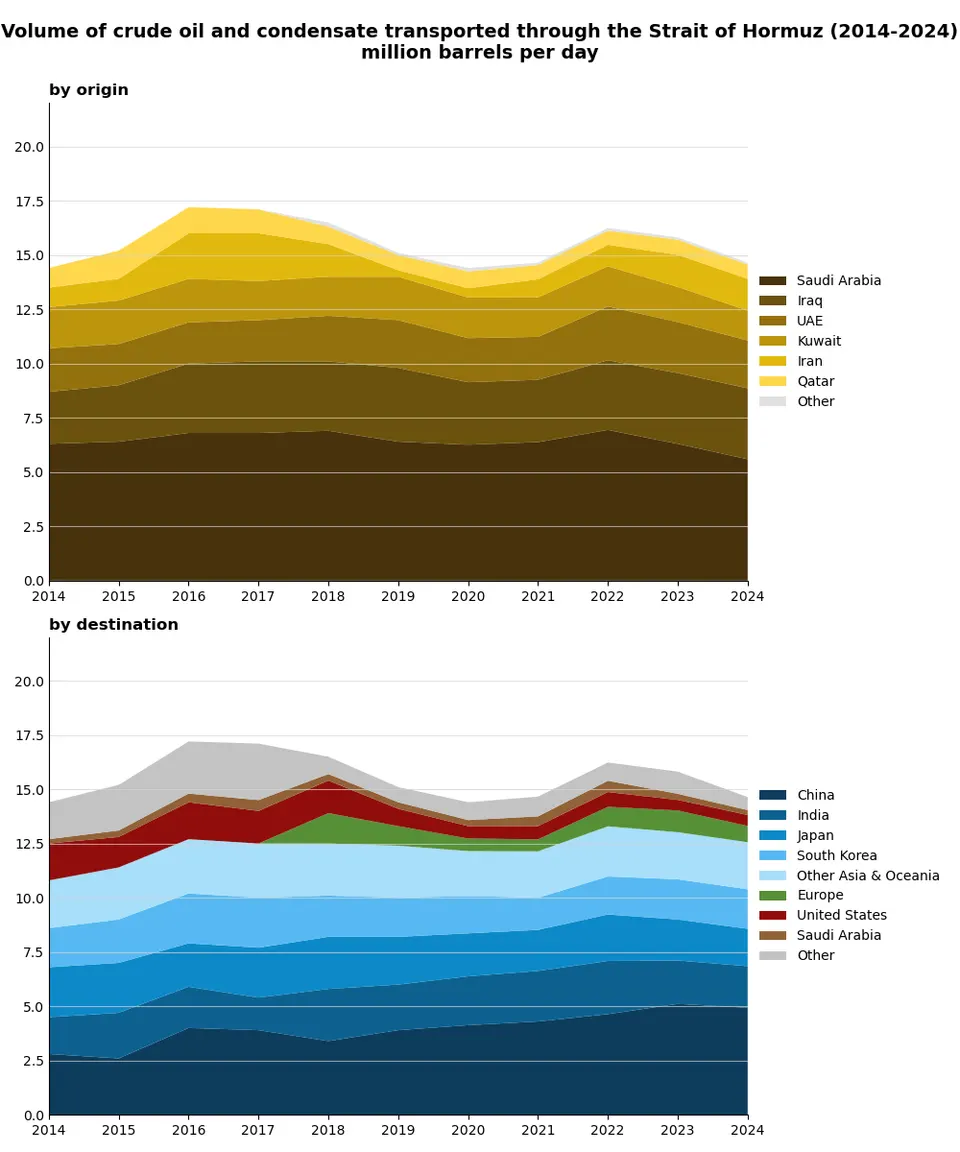
The Strait of Hormuz, a narrow waterway between Iran and Oman, is one of the world’s most critical chokepoints for energy trade. Roughly 20% of global petroleum liquids—including crude oil and condensates—pass through this 21‑mile-wide strait each day, making it a linchpin for both oil‑exporting nations and consuming economies. Because the flow is so concentrated, any disruption—whether from military tension, piracy, or a deliberate closure—can instantly ripple through international oil prices, foreign exchange markets, and even safe‑haven assets like gold.
Historically, the strait has been a stage for geopolitical brinkmanship. The 1980s Iran‑Iraq War saw both sides lay naval mines, and in 2019 the United Kingdom’s HMS Dover was seized by Iranian forces, prompting a brief spike in oil prices. More recently, Iran’s rhetoric about “initiators of war” and threats to block the passage have kept markets on edge, contributing to the surge in gold prices to over $4,500 per ounce in May 2026. Investors often turn to gold when oil supply uncertainties threaten the stability of the U.S. dollar, which in turn affects exchange rates like the USD/IRR.
The economic impact extends beyond oil. Countries that rely heavily on oil imports—such as India, Japan, and many European states—face higher transportation costs, which can feed into inflation and depress local currencies. Conversely, oil‑exporting nations like Saudi Arabia and the United Arab Emirates may see short‑term revenue gains, but prolonged instability can deter foreign investment and strain long‑term growth prospects. Understanding the strait’s role helps explain why news about regional tensions can simultaneously lift gold, depress cryptocurrencies, and influence exchange‑rate policies.
From a policy perspective, the strategic importance of the Hormuz corridor has led major powers to maintain naval presences and to develop contingency plans, including alternative routes like the Cape of Good Hope. However, rerouting oil around Africa adds weeks to shipping times and costs billions in extra fuel, underscoring why even the threat of a temporary closure can have outsized economic consequences. The interplay of geography, geopolitics, and market psychology makes the Strait of Hormuz a textbook example of a global economic flashpoint.
For anyone tracking the Iranian economy, gold markets, or cryptocurrency trends, keeping an eye on developments in Hormuz offers a clearer lens on why seemingly unrelated assets move in tandem during periods of heightened tension.
Topics
Related Articles