Tehran Warns of 'Civilizational Decline' as Fragile Ceasefire and Trump’s Taiwan Warning Keep Markets on Edge
هشدار تهران درباره «زوال تمدنها»؛ تمدید آتشبس شکننده و التیماتوم ترامپ به تایوان در کانون توجه بازار
As Tehran issues a philosophical warning on the decline of Western-led order, a shaky 45-day ceasefire extension in Lebanon provides a brief respite for regional markets. Meanwhile, Donald Trump's post-summit warning to Taiwan has sent ripples through the global tech sector.
At time of publishing
USD
180,400
Toman
Gold 18K
19.89M
Toman / gram
Bitcoin
$78,951
US Dollar
Tether
17,911.7
Toman
Market Open — Stability Amidst Global Tensions
The Iranian currency market opened this Saturday with a sense of cautious stability, despite the swirling geopolitical winds. The US Dollar (USD/IRR) remains unchanged at 180,400 Tomans, reflecting a market that has already priced in much of the current regional uncertainty. Gold 18k followed suit, holding steady at 19,890,345 Tomans per gram. However, we saw a slight softening in the benchmark Emami coin, which dipped by 0.5% to 196,000,000 Tomans, suggesting a minor cooling of speculative demand in the domestic precious metals sector.
Globally, the picture is more volatile. Gold on the international market is trading at a staggering $4,541.20 per ounce, while Bitcoin hovers around the $78,951 mark. For the Iranian investor, this translates to a high-cost environment for hedging, where the lack of movement in the Rial today might be the 'calm before the storm' as traders digest overnight news from Washington and East Asia.
Tehran’s Warning: 'Decadent Civilizations' and Economic Realities
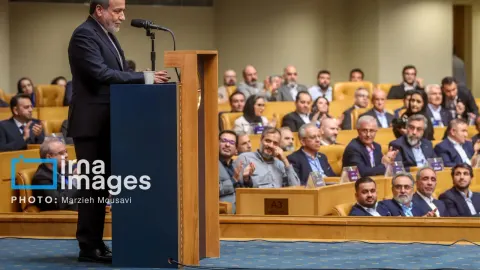
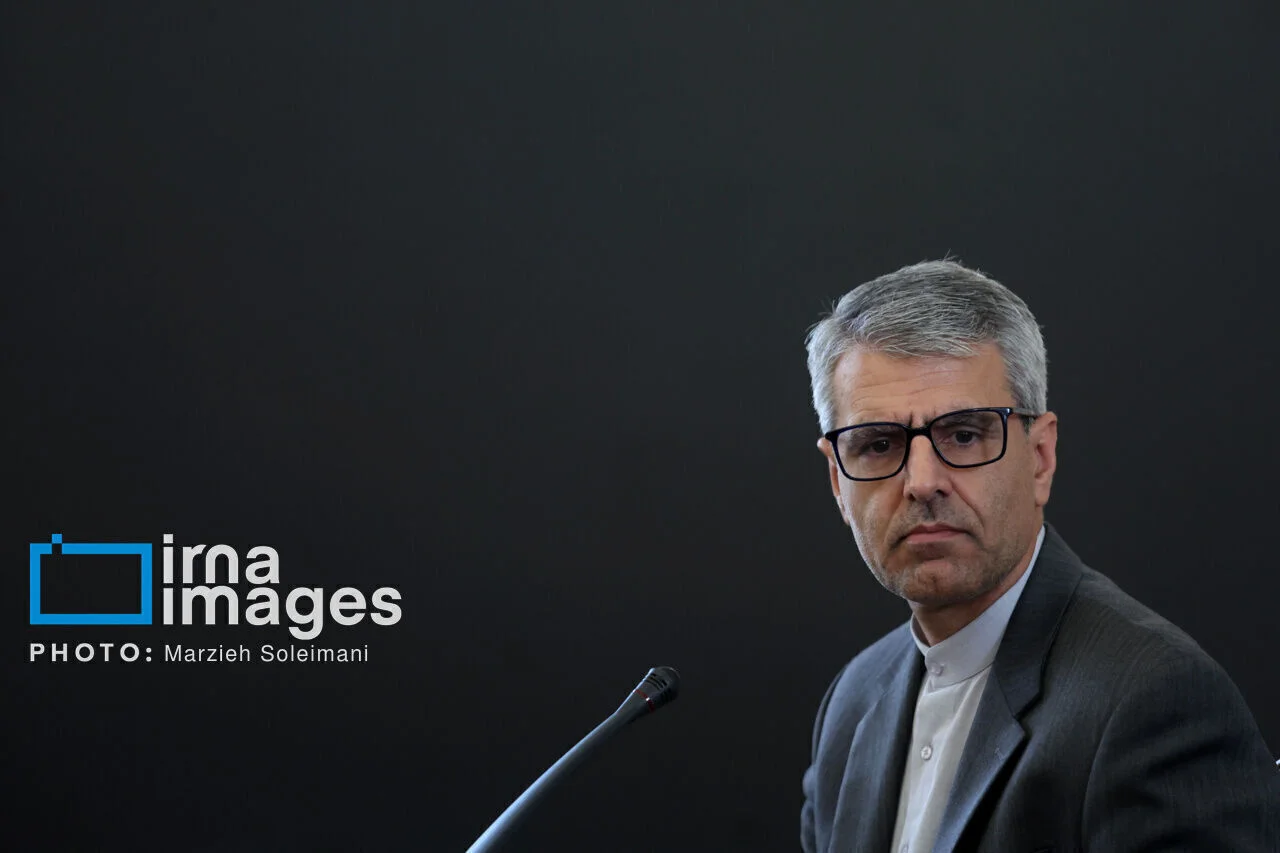
In a series of pointed statements overnight, Iranian officials have framed the current global friction not just as a political struggle, but as a civilizational one. Foreign Ministry spokesperson Esmaeil Baqaei emphasized that any civilization unable to solve the problems it creates is inherently 'decadent' and doomed to decline. This rhetoric was bolstered by Foreign Minister Abbas Araghchi, who directly addressed the American public, stating that the economic impacts of war on the US economy were entirely avoidable had different policy choices been made.
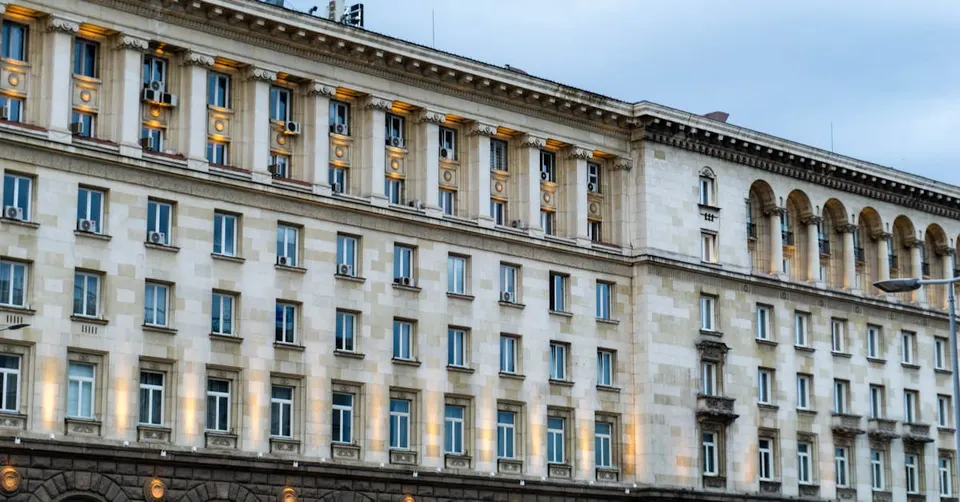
These statements signal a hardening of Tehran's diplomatic posture. By linking global economic instability—specifically the '2022-style' inflation fears mentioned in market reports—to US foreign policy, Iran is attempting to shift the narrative of blame. For readers, this suggests that the path toward sanctions relief or economic normalization remains blocked by deep-seated ideological divides. The Iranian leadership is increasingly vocal about the 'epic' nature of its resistance, with envoys in Moscow even drawing parallels to the Shahnameh to boost national morale amidst economic pressure.
A Shaky Peace: Lebanon Ceasefire Extended by 45 Days
The most immediate relief for regional risk sentiment came from Washington, where it was announced that Israel and Lebanon have agreed to extend their shaky ceasefire for another 45 days. This extension, which was set to expire tomorrow, aims to provide a window for expanded talks on a long-term political settlement. While the ceasefire has not entirely ended the skirmishes between Israel and Hezbollah, its continuation prevents a full-scale regional conflagration that would almost certainly send oil prices and the USD/IRR pair into a vertical spike.
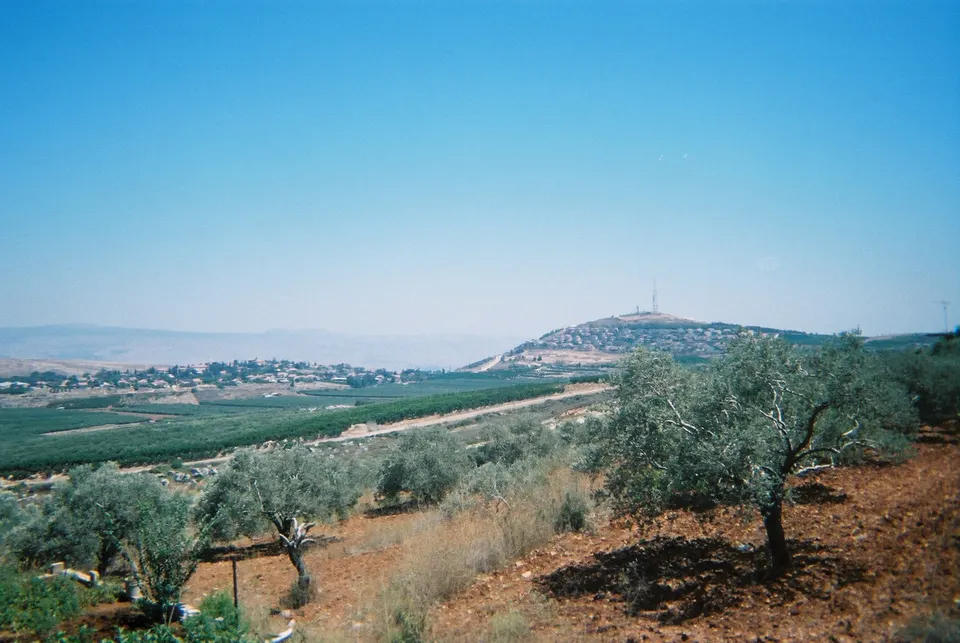
However, the market remains skeptical. The extension is described as 'shaky' for a reason; trust between the parties is at an all-time low. For the Iranian market participant, this 45-day window is a critical period to watch. Any breakdown in these talks will immediately reflect in the 'Sully' and 'Herati' rates. For now, the extension acts as a temporary ceiling on the 'fear premium' currently embedded in the price of the Toman and gold coins.
Trump’s Taiwan Ultimatum and US Legal Drama
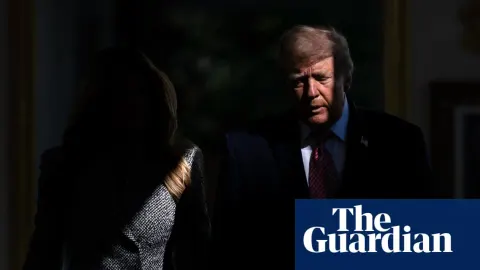
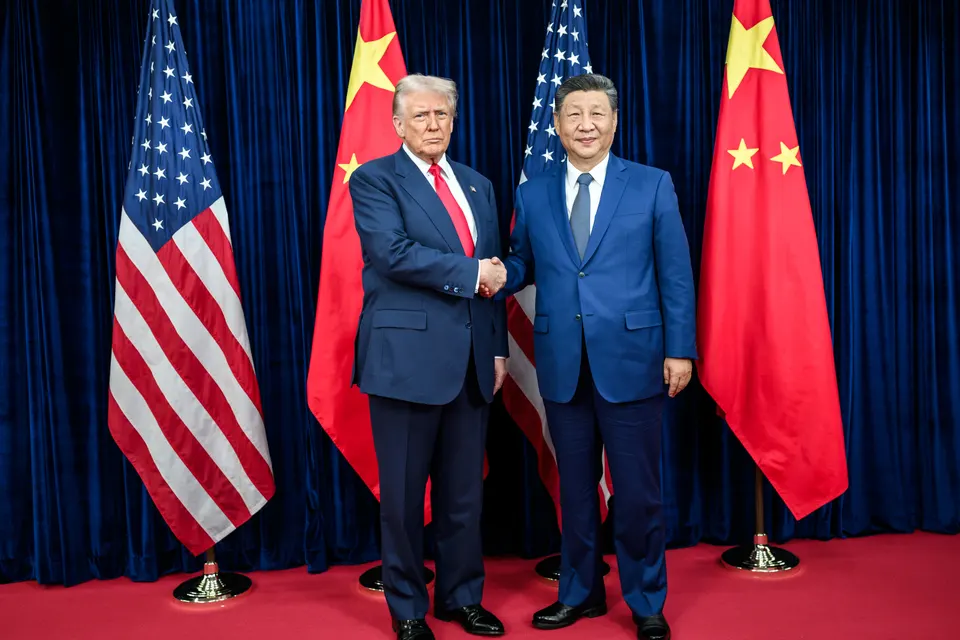
On the global stage, Donald Trump has once again proven his ability to move markets with a single statement. Following a high-stakes summit with China’s Xi Jinping, Trump warned Taiwan against declaring formal independence, urging both Beijing and Taipei to 'cool down.' This move is seen as a strategic pivot to avoid a two-front trade and military confrontation, but it has left the tech sector—heavily dependent on Taiwanese semiconductors—in a state of nervous anticipation.
Adding to the sense of internal US friction, a New York judge has declared another mistrial in the high-profile Harvey Weinstein rape case, the third such occurrence. While seemingly unrelated to finance, such events contribute to the 'internal problem' narrative pushed by Tehran, suggesting a legal and social system under extreme stress. For the global investor, the combination of Trump’s unpredictable diplomacy and domestic institutional gridlock in the US is fueling a flight to 'safe haven' assets like the April 2032 TIPS bonds, which are now projected to pay over 5.1% this year. Iranians should watch these global bond yields closely, as they often dictate the flow of institutional capital out of emerging markets and into the US dollar.
Frequently Asked Questions
Why did the Emami coin drop despite the dollar remaining stable?
What does Trump's warning to Taiwan mean for Iranian tech prices?
How significant is the Lebanon ceasefire extension for the Toman?
Safe-Haven Assets: Protecting Wealth Amid Geopolitical Turmoil
In times of escalating global tensions and economic uncertainty, investors often seek refuge in what are known as safe-haven assets. These are investments expected to retain or even increase in value during periods of market turbulence, offering a perceived sanctuary for wealth when other asset classes falter. The underlying principle is simple: when the future looks uncertain—whether due to fragile ceasefires, looming international conflicts, or warnings of "civilizational decline"—investors flock to assets traditionally seen as stable and reliable.
Gold is perhaps the quintessential safe-haven asset, prized for its intrinsic value, historical role as a store of wealth, and its relative independence from government policies or corporate earnings. This explains why keywords like "Global gold ounce" and "Emami coin price" appear alongside geopolitical events; local gold prices, often denominated in local currency (like the Iranian Rial), reflect both global gold movements and local currency depreciation pressures. Similarly, strong major currencies, such as the US Dollar, can act as safe havens, leading to significant fluctuations in exchange rates like USD/IRR as local investors seek to preserve purchasing power.
The demand for safe havens is a direct barometer of market anxiety stemming from geopolitical risk. When headlines highlight potential flashpoints, like a "Trump Taiwan China summit" or the fragility of a "Lebanon ceasefire extension," the perceived risk of broader instability rises. This heightened uncertainty prompts a flight to safety, driving up the value of assets like gold and strong foreign currencies. The concept extends beyond just financial instruments; it reflects a deep-seated human desire for security in the face of perceived threats to stability, whether economic or geopolitical.
Understanding safe-haven assets is crucial for comprehending how global events, even those seemingly distant, can profoundly impact personal finances and national economies. They serve as a vital indicator of investor confidence and a critical tool for risk management, highlighting the intricate connections between geopolitics, market behavior, and individual wealth preservation strategies.
Topics
Related Articles