Trump’s Taiwan ‘Bargaining Chip’ Rattles Tech as Iran Marks Nakba Day and Gold Prices Soften
هشدار تهران در سالگرد نکبت و عقبنشینی طلا؛ استفاده ترامپ از تایوان به عنوان ابزار معامله با چین
Iran’s UN envoy demands a Palestinian-led future on the 78th Nakba anniversary, while Donald Trump signals a major shift in US-Taiwan policy. Meanwhile, domestic gold prices in Iran have dipped as a $500 million crypto liquidation cascade hits global markets.
At time of publishing
USD
180,400
Toman
Gold 18K
19.81M
Toman / gram
Bitcoin
$78,422
US Dollar
Tether
17,931.7
Toman
Tehran Signals Resolve on Nakba Anniversary at the United Nations
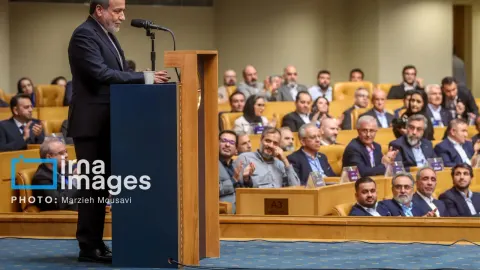
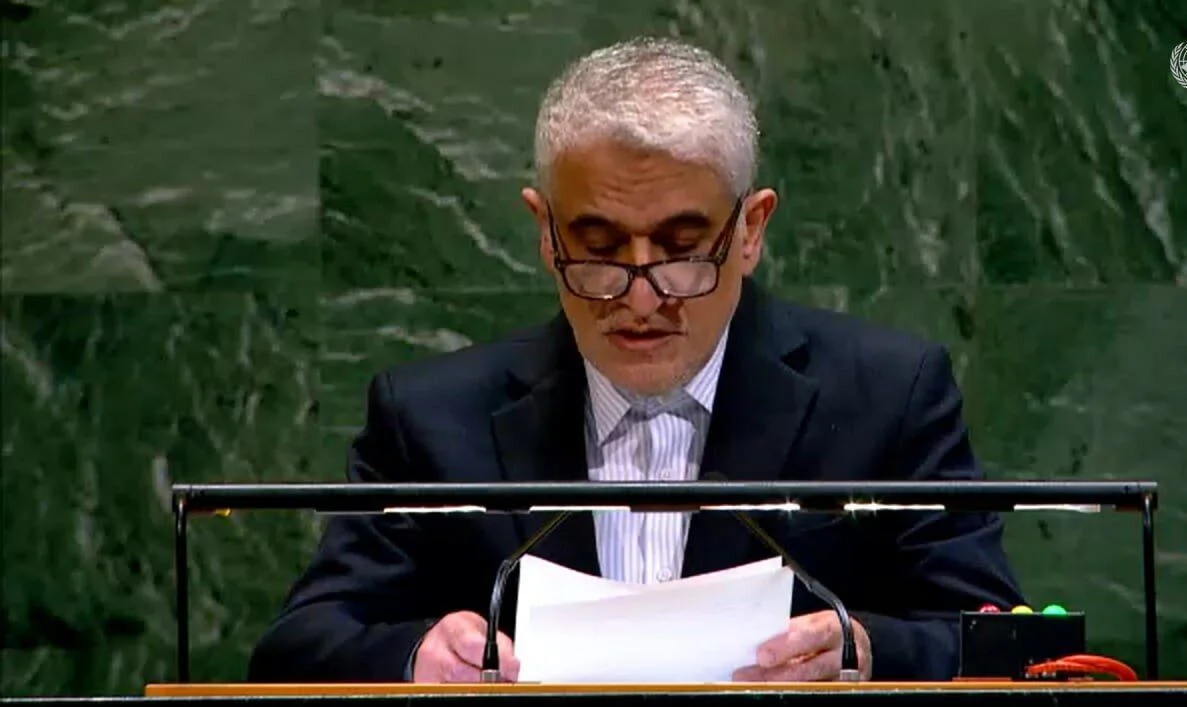
Iran’s Ambassador and Permanent Representative to the United Nations, Amir Saeid Iravani, marked the 78th anniversary of Nakba Day with a stern address, emphasizing that the future of Palestine must be determined solely by its indigenous people. In a session that resonated with regional tensions, the Iranian envoy condemned decades of occupation and displacement, framing the current humanitarian crisis as a continuation of the historic injustice that began in 1948. This diplomatic stance comes at a critical juncture for Iran, which continues to position itself as the primary advocate for Palestinian self-determination on the global stage, challenging the legitimacy of international frameworks that exclude local voices. For Iranian observers and market participants, such high-level diplomatic rhetoric serves as a reminder of the persistent geopolitical risks that underpin the national economy. While the USD/IRR exchange rate remained flat this morning at 180,400 Toman, the shadow of regional instability often acts as a floor for currency valuations. The ambassador’s remarks also aimed at counteracting what Tehran describes as a "false image of international support" being manufactured by the United States regarding maritime resolutions in the Strait of Hormuz. By linking the Palestinian cause to broader regional security, Iran is signaling that its cooperation on other fronts remains contingent on a fair resolution to the Levant's longest-running conflict.
Trump’s Transactional Diplomacy: Taiwan as a Bargaining Chip
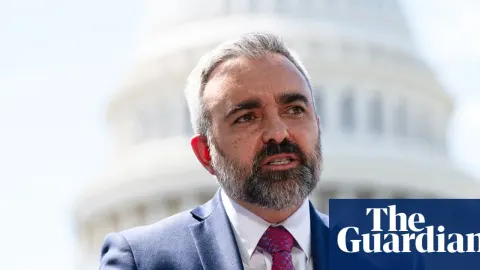
In a move that has sent shockwaves through the global technology and defense sectors, President Donald Trump has explicitly characterized U.S. arms sales to Taiwan as a "very good negotiating chip" in future talks with Beijing. This statement marks a significant departure from the traditional, more ideological support for the island’s autonomy, suggesting a return to a highly transactional foreign policy. By putting Taiwan’s security on the table as a leverage point for trade or economic concessions from China, the administration is forcing global markets to reassess the stability of the world’s most critical semiconductor supply chain. If the "Silicon Shield" of Taiwan is perceived as negotiable, the risk premium for tech giants relying on TSMC could see a dramatic spike. Simultaneously, the Trump administration is showcasing its counter-terrorism credentials through a joint military success in Africa. The White House confirmed that a top ISIS leader, who had been on the State Department’s most-wanted list since 2023, was eliminated in a high-stakes mission involving U.S. and Nigerian forces. This operation serves to bolster the image of a decisive executive branch capable of projecting power abroad while maintaining a "deal-maker" persona in the Pacific. For the Iranian market, this duality in U.S. policy—aggressive counter-terrorism combined with transactional diplomacy—creates a complex environment where traditional alliances are being rewritten, potentially opening or closing doors for regional sanctions relief depending on the "deal" at hand.
Market Cooling: Gold Dips as Crypto Leverage Flushes
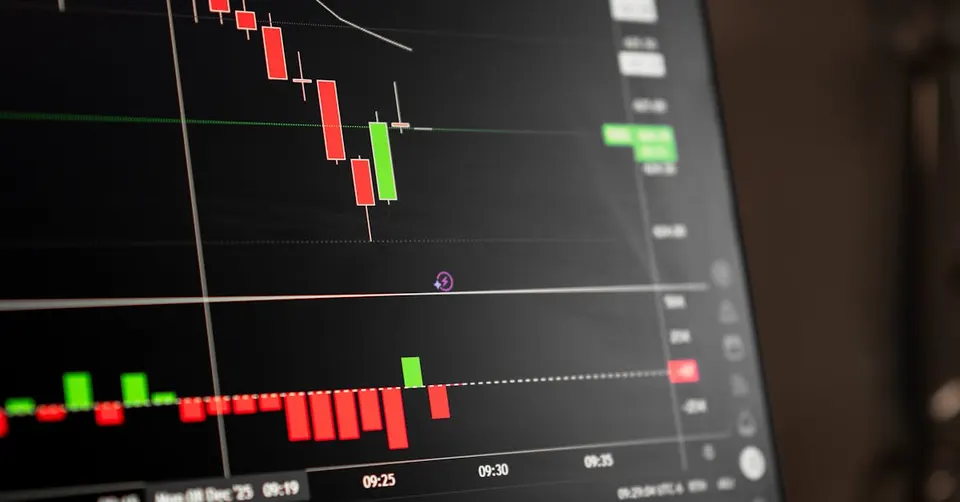
Domestic gold and coin prices in Iran have seen a slight retreat this morning, tracking a broader souring of risk sentiment in global markets. Gold 18k per gram moved from 19,890,345 to 19,806,546 Toman, representing a -0.4% decline, while the Emami coin dropped by -0.8%, falling from 197 million to 195.5 million Toman. This cooling comes despite the global gold ounce remaining at a historically high level of $4,541.20. The local dip suggests a temporary exhaustion of buyers at these record levels, as well as a stabilization in the USD/IRR rate, which held steady at 180,400 Toman for the sell side and 179,332 for the buy side. In the digital asset space, the atmosphere is even more volatile. Bitcoin experienced a sharp liquidation cascade, sliding toward the $78,000 mark and wiping out over $500 million in long positions within hours. This leverage flush was triggered by a broader selloff in U.S. equities and bonds, as investors grow wary of persistent inflation and the shifting geopolitical landscape under the Trump administration. While Bitcoin currently trades at $78,422, the 5% drop in major altcoins like SOL and XRP indicates a flight to safety. For Iranian investors who have increasingly used crypto as a hedge against Toman depreciation, this volatility serves as a cautionary tale about the dangers of excessive leverage in an environment where global liquidity is tightening.
Cultural Resilience: The 7th Tehran Virtual Book Fair
The 7th Tehran Virtual Book Fair has officially launched, featuring the participation of 2,296 publishers. This event has grown into a significant pillar of Iran's digital economy, bypassing physical logistics barriers and making literature accessible to a wider demographic across the country. In an era of high inflation and currency fluctuations, the virtual format allows for competitive pricing and direct-to-consumer sales that help sustain the domestic publishing industry. Beyond the cultural impact, the fair is a testament to the growing maturity of Iran's internal e-commerce infrastructure and digital payment systems. While global headlines focus on sharks in Western Australia—where a man was tragically killed by a 13-foot great white near Perth—or the political internal strife within the UK’s Labour Party, the Tehran Book Fair highlights the daily economic life of Iranians. It represents a sector that remains vibrant despite the overarching narrative of sanctions. For the average reader, the fair is an opportunity to preserve purchasing power through cultural investment, even as the broader market for luxury goods and precious metals remains under the pressure of global geopolitical shifts and the transactional whims of major powers.
Watch
THIS is when the situation begins to change in the Middle East, former Israeli ambassador to the US
Fox News
Frequently Asked Questions
Why did Trump call Taiwan arms sales a 'bargaining chip'?
How did the Iranian gold market react to the global ounce price?
What caused the $500 million liquidation in the crypto market?
What is the significance of the 7th Tehran Virtual Book Fair?
Understanding Strategic Ambiguity: Taiwan's Geopolitical Balancing Act
Strategic ambiguity is a cornerstone of U.S. foreign policy regarding Taiwan, a delicate diplomatic stance that has shaped East Asian geopolitics for decades. At its core, it means the United States refrains from explicitly stating whether it would intervene militarily if China were to attack Taiwan. This intentional vagueness serves a dual purpose: it aims to deter China from invading Taiwan by keeping Beijing uncertain about a U.S. response, while simultaneously discouraging Taiwan from unilaterally declaring independence, which could provoke China.
This policy emerged after the U.S. recognized the People's Republic of China in 1979 and severed official diplomatic ties with Taiwan (the Republic of China). However, the U.S. also passed the Taiwan Relations Act, committing to provide Taiwan with the means to defend itself, without explicitly guaranteeing direct military intervention. This careful balancing act has maintained a fragile peace, fostering Taiwan's democratic development and its critical role in the global economy, particularly as a dominant force in semiconductor manufacturing.
The phrase “Trump’s Taiwan ‘Bargaining Chip’” in the headline highlights the inherent tension and potential instability within strategic ambiguity. When a major power like the U.S. suggests using Taiwan as leverage, it injects uncertainty into this carefully constructed policy. Such statements can “rattle tech” industries globally because Taiwan is home to companies like TSMC, which produces the vast majority of the world's advanced semiconductors. Any perceived shift or destabilization of Taiwan's status directly threatens these vital supply chains, impacting everything from smartphones to cars and advanced computing.
The debate over moving from strategic ambiguity to “strategic clarity” — an explicit commitment to defend Taiwan — is ongoing. Proponents argue clarity would strengthen deterrence against China, while opponents fear it could provoke an aggressive response and undermine the very stability it seeks to preserve. Understanding strategic ambiguity is crucial for grasping the complex interplay of economics, technology, and international relations that defines the Taiwan Strait and its global ramifications.
Topics
Related Articles