Ferdowsi’s Legacy Stands Watch as Tehran Rebuffs US Pressure on Hormuz and Gold Prices Soften
سایه فردوسی بر میادین ایران؛ هشدار تهران به آمریکا درباره قطعنامه هرمز و عقبنشینی قیمت طلا
Iran celebrates National Ferdowsi Day as a symbol of cultural endurance while diplomatically clashing with the US over a proposed Hormuz Strait resolution. Meanwhile, gold prices in Tehran see a slight retreat despite global stability, and a major counter-terrorism operation concludes in Nigeria.
At time of publishing
USD
180,400
Toman
Gold 18K
19.81M
Toman / gram
Bitcoin
$78,363
US Dollar
Tether
17,944.5
Toman
The Silent Guardian: Iran Marks National Ferdowsi Day
Across the nation today, from the grand squares of Tehran to the historic city of Tus, Iranians have gathered to honor Abul-Qasem Ferdowsi, the legendary poet whose epic Shahnameh is credited with preserving the Persian language. On this National Ferdowsi Day, the image of the poet standing watch over city squares serves as a potent symbol of identity and resilience. For the average Iranian, Ferdowsi is not merely a historical figure but a living reminder of cultural continuity in the face of modern economic and geopolitical pressures. This celebration of language and heritage is often viewed as a form of 'soft power,' reinforcing national unity at a time when external sanctions and internal economic shifts dominate the headlines.
In Moscow, Iran’s Ambassador Kazem Jalali drew a direct line between the heroic epics of the Shahnameh and the current resolve of the Iranian people and Armed Forces. He noted that the spirit of the epic remains a guiding force for the nation’s modern identity. This cultural anchoring is significant for the markets as well; it often correlates with a sense of social stability that can influence consumer confidence and long-term economic outlooks. While the streets are filled with floral tributes to the poet, the underlying message is one of endurance—a trait that Iranian businesses and households have had to cultivate deeply over the past decade.
Diplomatic Friction Over the Strait of Hormuz
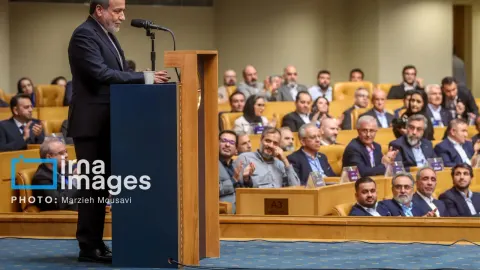
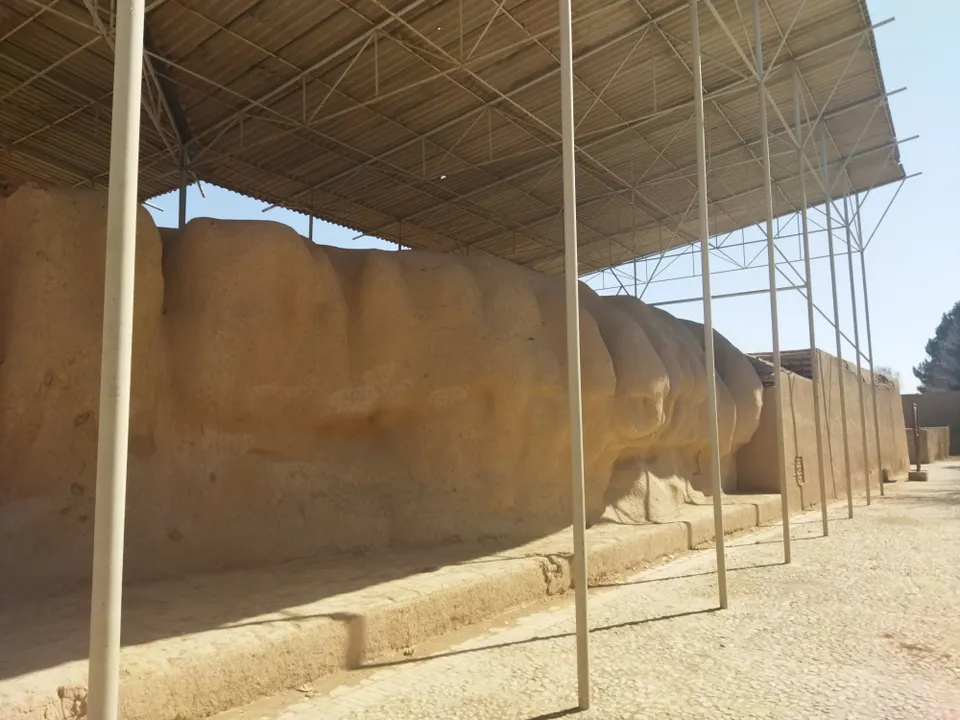
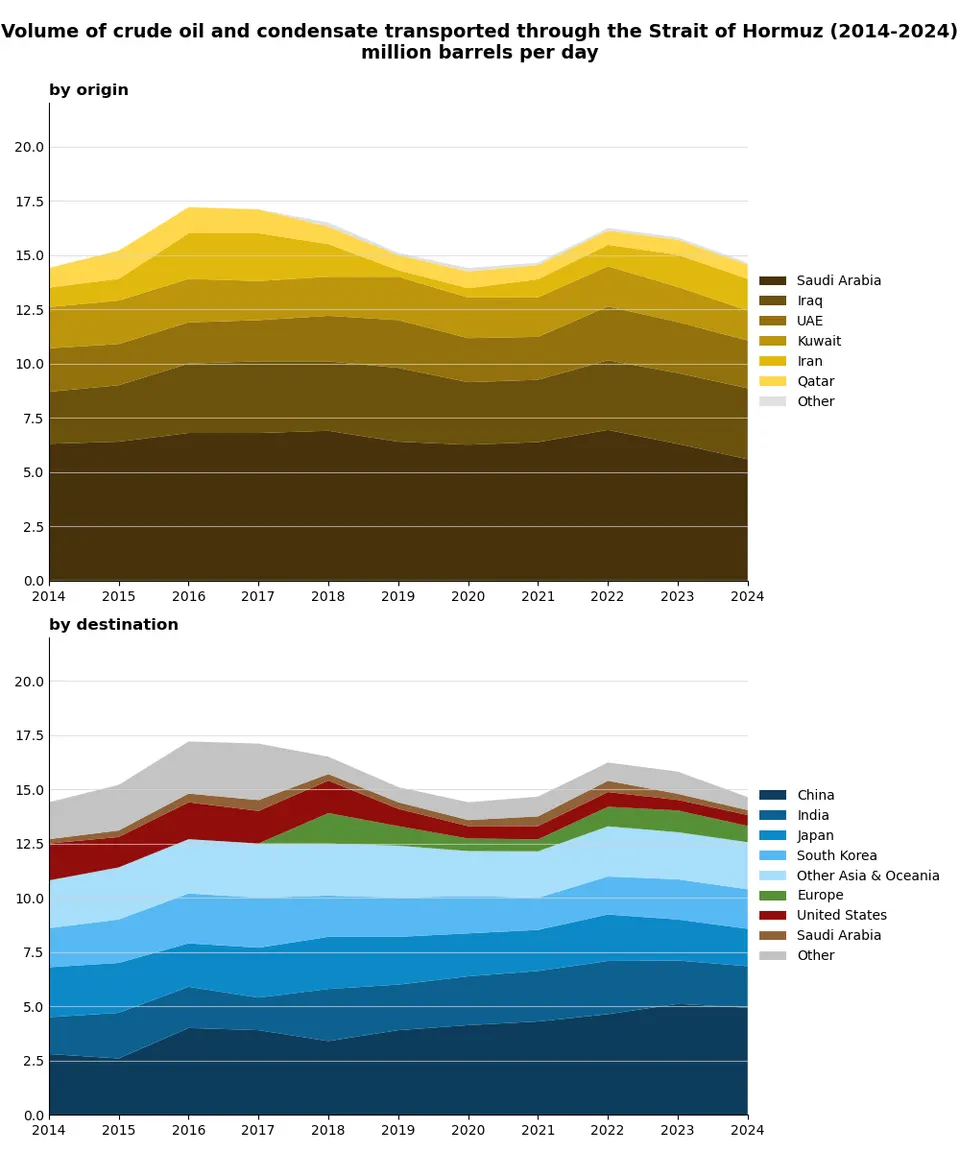
While the nation celebrates its heritage, the diplomatic arena remains fraught with tension. Iran’s mission to the United Nations has issued a stern warning against a U.S.-led draft resolution concerning the Strait of Hormuz. Tehran accuses Washington of manufacturing a "false image" of international support for the resolution, which aims to impose stricter oversight or restrictions on the critical maritime corridor. The Strait of Hormuz remains the world's most important oil transit chokepoint, and any escalation in rhetoric or policy there immediately sends ripples through global energy markets and local currency expectations. Tehran has warned co-sponsors of the resolution that such moves could lead to a dangerous escalation, emphasizing that security in the region must be managed by the littoral states themselves.
Coinciding with these maritime tensions, Iran also marked Nakba Day, with the Foreign Ministry reaffirming its support for the Palestinian right of return. The statement emphasized the establishment of an independent state with Al-Quds as its capital. For the Iranian reader, these geopolitical developments are closely tied to the value of the Rial. Whenever tensions rise in the Persian Gulf or regarding the broader regional conflict, the market often reacts with increased demand for safe-haven assets. However, the current stance from Tehran suggests a preference for maintaining the status quo while resisting what it perceives as Western encroachment on its strategic interests.
Security Gains in Nigeria Amid Student Kidnappings
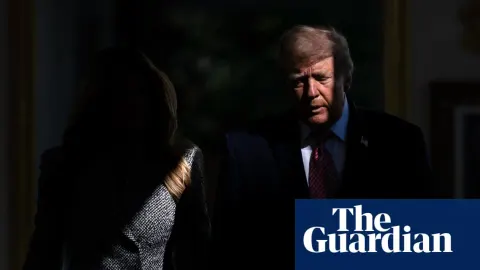
In a major shift for global security, U.S. President Donald Trump announced today that a joint operation between U.S. and Nigerian forces has successfully eliminated Abu-Bilal al-Minuki, described as one of the most active leaders of the Islamic State (IS) globally. This high-profile strike is being framed by the White House as a significant victory in the ongoing fight against extremist networks in West Africa. Such operations are critical for regional stability in Africa, which has increasingly become a hub for international trade and investment, particularly in the tech and energy sectors. The elimination of high-ranking militant leaders often leads to a temporary vacuum in insurgent activity, though it rarely solves the underlying security issues.
Contrastingly, the security situation in Nigeria remains fragile as gunmen, suspected to be from Boko Haram, kidnapped dozens of students in Borno State just hours after the IS leader was killed. This dual reality of high-level military success alongside ongoing grassroots insecurity highlights the complexity of the region. For global markets, instability in Nigeria—a major oil producer—often contributes to price volatility. However, the success of the joint military operation may signal a more aggressive U.S. posture in foreign security interventions under the current administration, a factor that geopolitical analysts are watching closely to determine its impact on other regions, including the Middle East.

Market Update: Gold and Coin Prices Retreat
In the Tehran markets at the 12:00 hour, we are seeing a slight softening in the price of precious metals. The Emami gold coin has seen its price drop from 197,000,000 to 195,500,000 Toman, marking a 0.8% decrease over the last 24 hours. Similarly, 18-karat gold per gram moved from 19,890,345 to 19,806,546 Toman, a decline of 0.4%. This cooling off comes despite the global price of gold remaining relatively high at $4,541.20 per ounce. The divergence suggests that local demand may be stabilizing or that the market is currently saturated following recent rallies. Investors are likely taking a breath as they assess the latest diplomatic signals from the UN regarding the Strait of Hormuz.
The US Dollar (USD) remains the anchor of the market, holding steady at 180,400 Toman for selling, showing 0.0% change in the last 24-hour cycle. In the cryptocurrency space, Bitcoin (BTC) is trading at $78,363, maintaining its position as a dominant alternative asset for Iranian investors looking to hedge against inflation. The stability of the USD/IRR rate at these elevated levels indicates a period of consolidation, where the market has priced in current risks but lacks a clear catalyst for the next major move. For the average consumer, the slight dip in gold prices may offer a momentary window for small-scale purchases, though the broader trend remains historically high.
Frequently Asked Questions
Why is National Ferdowsi Day significant for the Iranian economy?
How does the proposed UN resolution on the Strait of Hormuz affect oil prices?
Why did gold prices fall in Tehran despite high global prices?
What is the impact of the US-Nigerian operation against ISIS on global security?
Safe-Haven Assets and Geopolitical Risk
In times of economic or political uncertainty, investors often seek out safe-haven assets – investments that are expected to retain or even increase in value during periods of market turbulence. These assets are typically uncorrelated with broader market trends and are perceived as reliable stores of value when traditional investments like stocks or bonds become volatile. The primary goal for investors turning to safe havens is capital preservation, aiming to shield their wealth from the adverse effects of crises.
Gold is arguably the quintessential safe-haven asset, a role it has played for millennia. Its appeal stems from several key characteristics: it has intrinsic value, is universally accepted as a medium of exchange and store of wealth, and its supply is relatively inelastic. Unlike fiat currencies, gold cannot be printed at will by governments, making it immune to inflation caused by monetary expansion. This makes gold particularly attractive during periods of high inflation or when confidence in national currencies or financial systems wanes.
Geopolitical risk plays a significant role in driving demand for safe havens. Events like heightened tensions in critical global chokepoints, such as the Strait of Hormuz, or international disputes, can trigger widespread uncertainty. When such risks escalate, investors, both institutional and individual, often flock to gold, perceiving it as a reliable hedge against potential economic fallout, currency devaluation, or even conflict. This increased demand typically pushes gold prices higher, reflecting the market's collective anxiety.
Conversely, as indicated by the headline's mention of "Gold Prices Soften," a de-escalation of geopolitical tensions or a perceived reduction in risk can lead to a decrease in demand for safe-haven assets. When the immediate threat of instability recedes, investors may shift their capital back into more growth-oriented or riskier assets, causing gold prices to stabilize or even decline. This dynamic illustrates the sensitive relationship between global political stability and the market value of safe-haven commodities like gold, where softening prices often signal a broader sense of reduced anxiety among investors.
In economies facing unique challenges, such as sanctions or high domestic inflation, the role of gold as a safe-haven asset can be even more pronounced. For individuals and institutions within these regions, gold often serves not just as an investment hedge but as a crucial means of preserving purchasing power against local currency depreciation, making its price movements a vital indicator of both global and local economic sentiment.
Topics
Related Articles