London Protests Ignite Security Alert as Gold Prices Ease and Pezeshkian Signals Diplomatic Softening
آمادهباش امنیتی در لندن؛ افت ملایم قیمت طلا و سیگنالهای دیپلماتیک پزشکیان به غرب
Tens of thousands of rival protesters have paralyzed central London, testing Western social stability as global gold prices take a breather. Meanwhile, Tehran signals a pivot toward 'rational diplomacy' through cultural and religious channels.
At time of publishing
USD
179,900
Toman
Gold 18K
19.81M
Toman / gram
Bitcoin
$78,087
US Dollar
Tether
17,918
Toman
Rival Protests Paralyze London Amid High-Security Alert
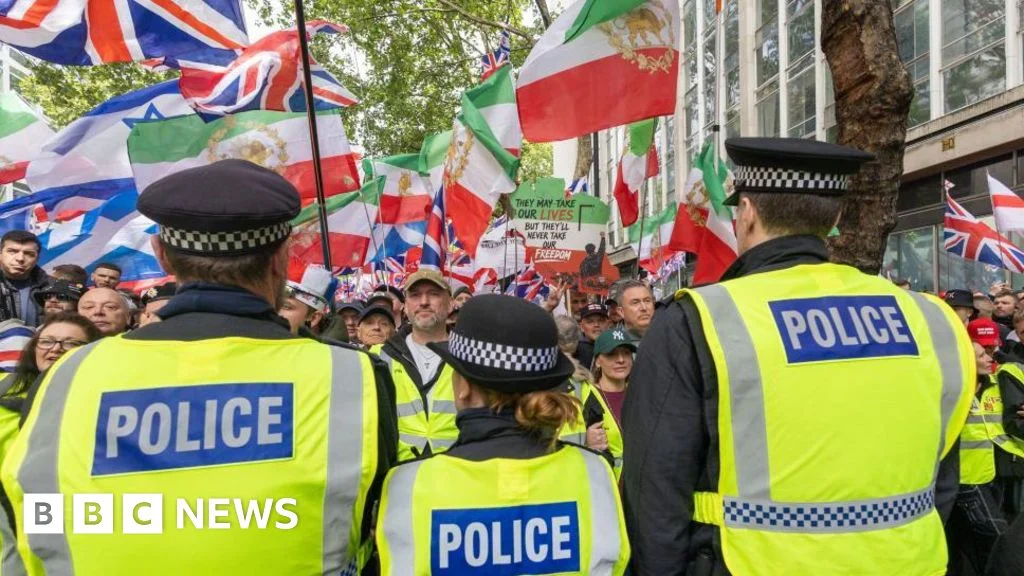
Central London has become a geopolitical flashpoint today as tens of thousands of demonstrators from opposing camps descended on the city. The 'Unite the Kingdom' march, organized by right-wing figures like Tommy Robinson, is facing off against a massive pro-Palestinian demonstration marking Nakba Day. The Metropolitan Police have deployed thousands of officers in a massive security operation to prevent direct clashes between the two groups. This tension is not just a local British issue; it reflects a deepening social polarization across Western capitals that often precedes shifts in market risk appetite. When major financial hubs face domestic unrest, investors typically look toward safe-haven assets, though today’s market shows a more nuanced reaction.
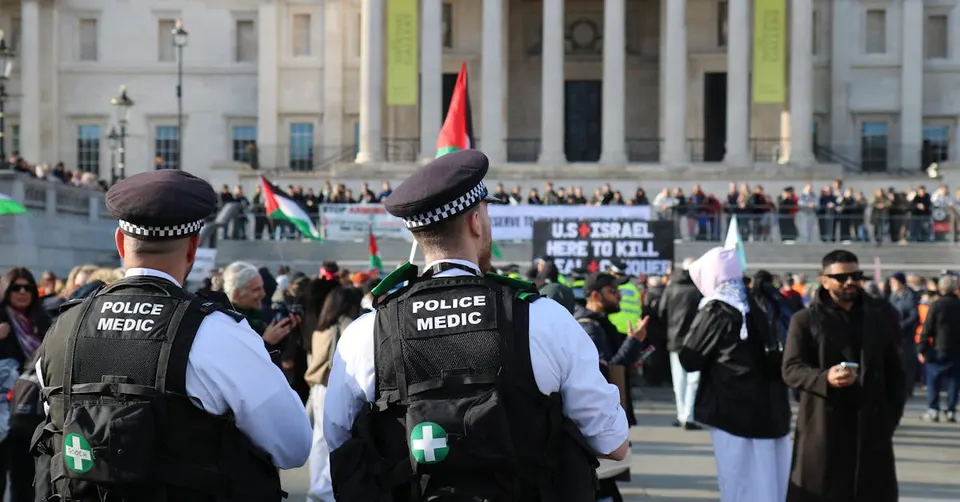
Security forces have already made arrests near Euston station involving individuals linked to violent incidents in Birmingham, highlighting the volatile nature of the day. For the global observer, this unrest signals a 'risk-on' environment for volatility. If these protests escalate into prolonged civil disorder, we could see a reactionary spike in gold and a flight to the US Dollar as a stability play. However, for now, the heavy police presence seems to be maintaining a fragile order, keeping the markets from panicking. The intersection of far-right nationalism and pro-Palestinian activism creates a complex security matrix that European governments are struggling to manage without infringing on democratic norms.
Iranian Markets Cool as Pezeshkian Pivots to 'Soft Power'
In Tehran, the financial markets are seeing a rare moment of consolidation. The USD/IRR exchange rate moved from 180,400 to 179,900, a decrease of 0.3%, while the gold market followed suit. Gold 18k per gram dropped from 19,890,345 to 19,806,546 Toman (-0.4%), and the Emami coin saw a more significant retreat, falling from 197,000,000 to 195,000,000 Toman (-1.0%). This cooling off suggests that the immediate 'war fever' that gripped the market earlier in the week is subsiding, as traders wait for the next major geopolitical catalyst. The slight strengthening of the Toman reflects a temporary equilibrium as the region digests the latest diplomatic signals from the presidential office.

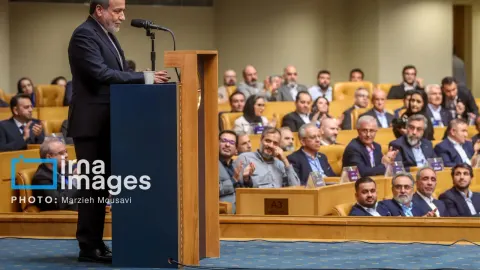
President Masoud Pezeshkian is actively attempting to shift the narrative away from military confrontation. In recent statements at the Tehran Virtual Book Fair, he emphasized that books and rationality are the only shields against extremism and war. Furthermore, his direct message of appreciation to the Pope for the Vatican's moral stance on regional issues suggests a strategic use of 'religious diplomacy' to bypass traditional political hurdles. By positioning Iran as a nation committed to 'knowledge-based peace' and ethical diplomacy, Pezeshkian is attempting to lower the country's risk profile in the eyes of international investors and regional neighbors. Whether this rhetoric can translate into actual sanctions relief or increased trade remains the primary question for the Iranian business community.
Crypto Regulation Gains Momentum with the CLARITY Act
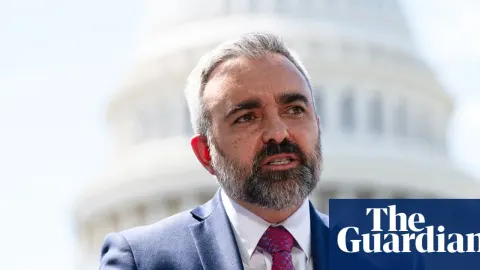
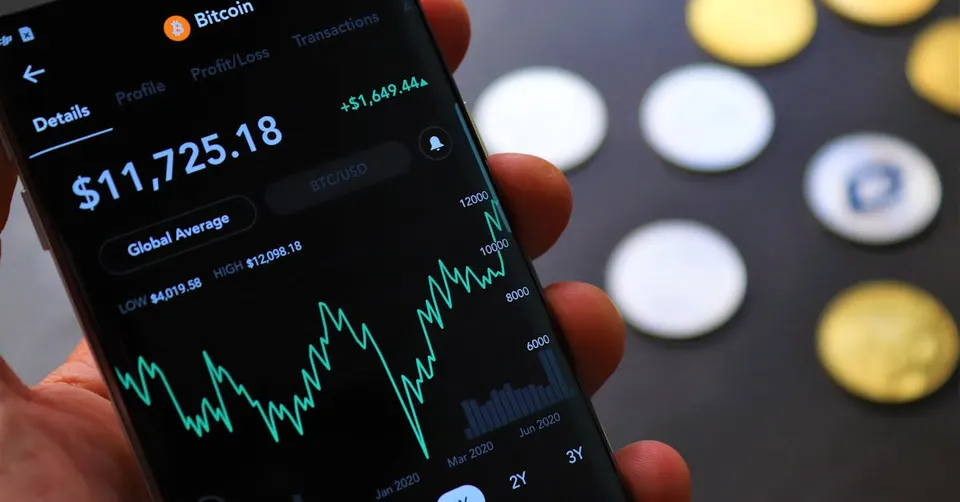
While traditional markets are focused on geopolitics, the digital asset space is reacting to significant movement in Washington D.C. The CLARITY Act has advanced through a Senate committee, providing a much-needed framework for market structure. This legislative progress has seen XRP outperform Bitcoin in the short term, as the market anticipates a future where institutional money can flow into altcoins with less legal risk. Bitcoin itself has faced some headwinds, with spot ETFs seeing nearly $1 billion in outflows over the past week. This rotation of capital from Bitcoin into AI-related stocks and specific altcoins suggests that the 'monolithic' bull run of BTC is evolving into a more fragmented, sector-specific market.
For the average investor, this shift highlights the importance of financial engagement. As noted in recent market reports, many individuals are 'disengaged' from their own financial lives, often making missteps in retirement planning or benefit claims. The advancement of the CLARITY Act serves as a reminder that the window for 'early' crypto adoption is closing as the industry becomes a regulated arm of the global financial system. The move toward clarity is a double-edged sword: it brings stability and institutional trust, but it also invites the kind of oversight and taxation that original crypto enthusiasts sought to avoid. As capital rotates, the focus is shifting toward utility and legal compliance rather than pure speculation.
Global Power Play: Putin Heads to Beijing Following Trump
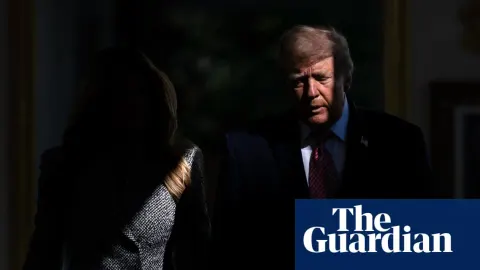
In a move that underscores the shifting tectonic plates of global power, Russian President Vladimir Putin is set to visit Beijing just days after President Trump’s high-profile visit. This sequence of events highlights China’s role as the ultimate 'middleman' in the current world order. Putin’s visit is widely seen as an attempt to solidify the 'no-limits' partnership in the face of varying signals from the new US administration. While some US officials like Marco Rubio have adopted a softer tone toward China to align with Trump’s pragmatic 'deal-making' style, the Russia-China axis remains the primary counterweight to Western influence. This meeting will likely focus on energy security and the creation of alternative financial payment systems that bypass the SWIFT network.
For Iran and other sanctioned economies, the outcome of the Putin-Xi summit is critical. Any advancement in non-dollar trade mechanisms provides a lifeline for Tehran’s economy and helps stabilize the Toman against external shocks. However, China’s reluctance to fully commit to pressuring Iran—or conversely, to fully defy US sanctions—shows that Beijing is playing a long game. They are balancing their need for Iranian energy with their desire to maintain a stable trade relationship with the United States. This 'triangular' diplomacy ensures that volatility remains high, but it also prevents a total collapse of the regional economic order.
Frequently Asked Questions
Why is the London protest significant for global markets?
What caused the 1% drop in the Emami coin price today?
How does the US CLARITY Act affect XRP and Bitcoin?
Understanding Safe-Haven Assets in Times of Uncertainty
In the unpredictable world of finance, investors often seek refuge in what are known as safe-haven assets. These are investments expected to retain or even increase in value during periods of market turmoil, economic downturns, or geopolitical instability. Unlike riskier assets that might plummet in value during crises, safe havens offer a degree of protection, acting as a financial sanctuary when other investments are faltering. Their appeal lies in their perceived stability and reliability, often due to their intrinsic value, historical performance, or the backing of stable governments.
Gold is perhaps the quintessential safe-haven asset, a role it has played for centuries. Its status stems from its universal acceptance, limited supply, and its traditional use as a store of value that is not tied to any single currency or government. When headlines signal rising tensions, inflation concerns, or widespread economic uncertainty, demand for gold typically surges as investors flock to its perceived safety, driving prices higher. Conversely, when geopolitical risks subside or economic outlooks improve, the urgency to hold safe havens diminishes, often leading to an easing of gold prices, as suggested by the recent news.
Beyond gold, other assets can also function as safe havens, though their effectiveness can vary depending on the specific crisis. Highly liquid government bonds from stable economies (like U.S. Treasuries or German Bunds), certain strong currencies (such as the Japanese Yen or Swiss Franc), and even some inflation-indexed securities can serve this purpose. The key characteristic is their low correlation with riskier assets and their ability to provide a hedge against broader market volatility.
Understanding safe-haven assets is crucial for comprehending market reactions to global events. When diplomatic efforts soften tensions, or economic indicators show improvement, the reduced demand for these protective assets can signal a shift in investor sentiment from fear to cautious optimism. This dynamic helps explain why gold prices might ease even as other significant events unfold globally, reflecting a collective assessment of diminishing immediate threats.
Topics
Related Articles