Tehran’s Hormuz Toll Plan Meets Trump’s Ultimatum as UK Legal Scandal Erupts
طرح عوارض هرمز در برابر اولتیماتوم ترامپ؛ رسوایی حقوقی در بریتانیا بر سر فعالان فلسطین
Tehran prepares a strategic toll plan for the Strait of Hormuz amid rising tensions with the US, while a UK political scandal involving Yvette Cooper highlights Western internal divisions over the Gaza conflict.
At time of publishing
USD
180,100
Toman
Gold 18K
19.80M
Toman / gram
Bitcoin
$78,103
US Dollar
Tether
17,968.4
Toman
The Legal Storm in London: Yvette Cooper and Palestine Action
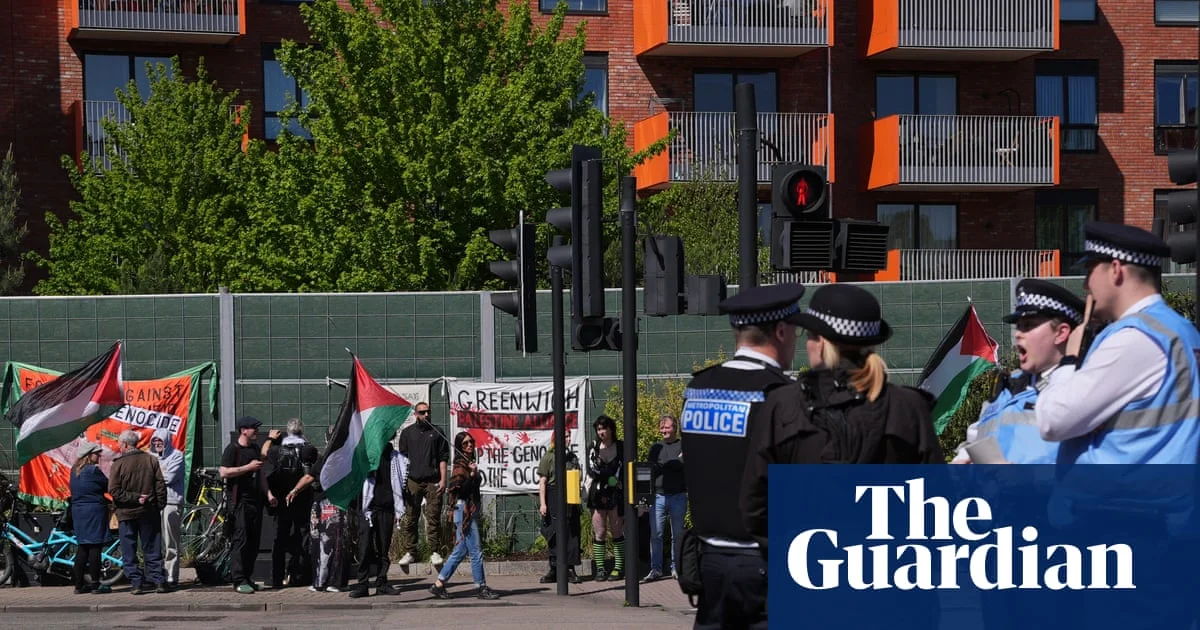
A significant legal and political controversy has emerged in the United Kingdom involving Yvette Cooper, the former Home Secretary. Reports have surfaced indicating that Cooper authored a newspaper column justifying the proscription of the activist group "Palestine Action," despite explicit warnings from the Crown Prosecution Service (CPS). The CPS had cautioned that such public commentary could unfairly prejudice the ongoing criminal proceedings against six activists associated with the group, who were involved in a 2024 break-in at an Israeli arms manufacturer’s facility. This revelation has sparked a heated debate regarding the intersection of political rhetoric and judicial independence in the West.
For Iranian observers and the wider regional audience, this story underscores the growing internal friction within Western governments over their stance on the Israeli-Palestinian conflict. The willingness of a high-ranking official to potentially bypass legal safeguards to push a political narrative suggests a hardening of positions that could influence future diplomatic engagements. As activists continue to target defense contractors, the legal fallout in London serves as a barometer for how Western states manage domestic dissent related to Middle Eastern geopolitics.
The Strait of Hormuz: Tehran’s Toll Plan and the Trump Warning
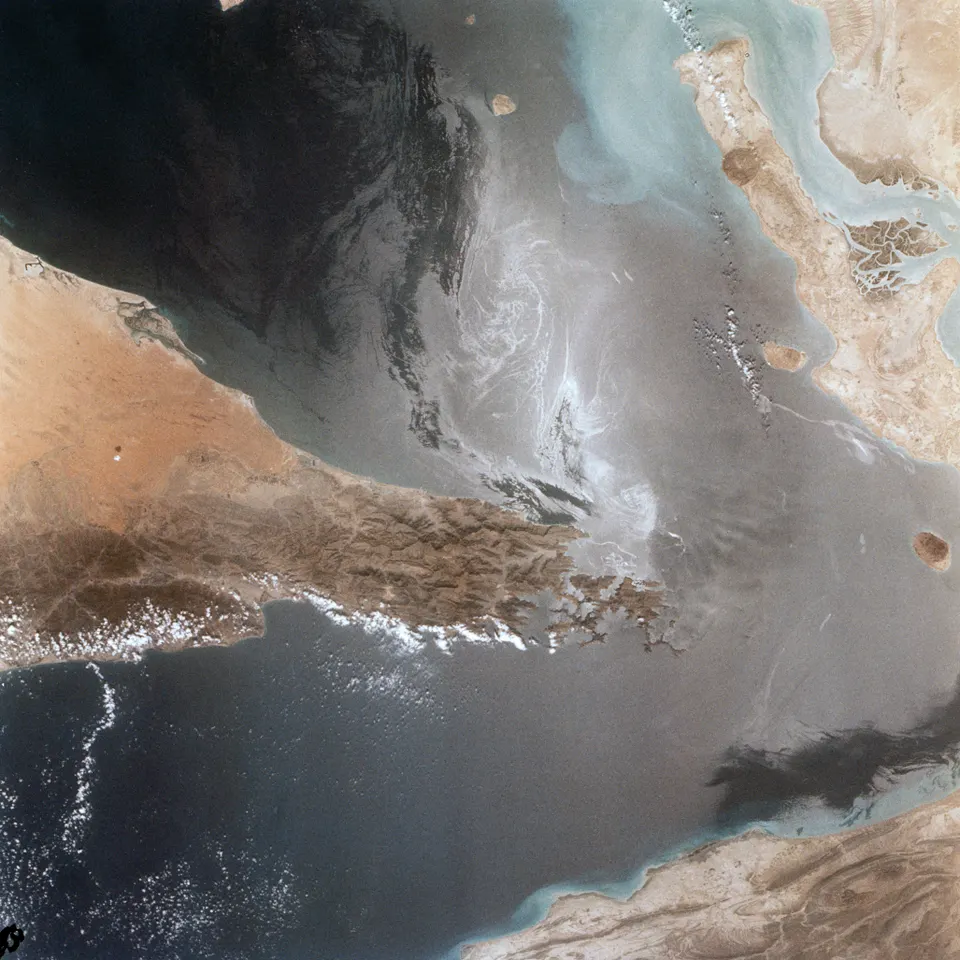
Geopolitical tensions have reached a new peak as Tehran prepares to unveil a controversial plan to impose tolls on vessels passing through the Strait of Hormuz. This move, announced on day 79 of the current regional escalation, is viewed as a direct assertion of Iranian sovereignty over one of the world's most critical maritime chokepoints. The proposal comes at a time when Donald Trump has issued a stern warning to Tehran, suggesting that the Islamic Republic will face a "very bad time" if a comprehensive deal is not reached soon. The dual pressure of economic maneuvers and diplomatic threats has kept global energy markets on high alert.
The implications for the Iranian economy are immediate and profound. While the USD/IRR rate remained stable at 180,100 Toman at the 11:00 Tehran session, the threat of renewed maritime friction often precedes volatility in the free market. If the toll plan is implemented, it could provide a new revenue stream for the government but also risks inviting further international sanctions or military posturing from the U.S. and its allies. Investors are currently monitoring these developments to gauge whether this is a tactical leverage play or a long-term shift in maritime policy.
US Human Rights Policy and Regional Skepticism
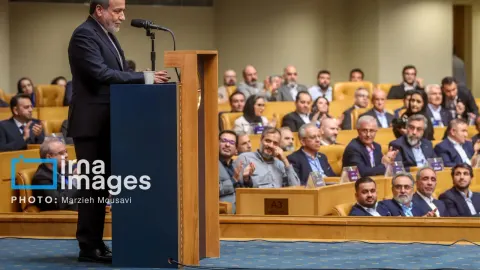
Iran’s Deputy Foreign Minister for Legal and International Affairs, Kazem Gharibabadi, has intensified the rhetorical battle by accusing the United States of using human rights selectively. Gharibabadi’s comments highlight what Tehran describes as a "double standard" where Washington abandons its proclaimed legal principles whenever the interests of the Israeli regime are at stake. This critique is part of a broader Iranian effort to challenge the moral authority of Western sanctions and diplomatic pressure, particularly as the humanitarian situation in Gaza remains a focal point of international concern.
This diplomatic posturing is not merely academic; it shapes the environment in which trade and sanctions negotiations occur. By framing the U.S. as an inconsistent actor, Iran seeks to build consensus among Global South nations and BRICS members, aiming to create an alternative economic and legal framework that bypasses Western-led institutions. For the average Iranian citizen, these high-level diplomatic exchanges are closely tied to the long-term prospects of sanctions relief and the eventual stabilization of the national currency, which currently sees the Emami gold coin trading at 194,000,000 Toman, up 0.3% over the last 24 hours.
Market Shifts: Saylor’s Bitcoin Pivot and AUKUS Alarms
In the world of digital finance, Michael Saylor has introduced a surprising shift in his Bitcoin philosophy. The MicroStrategy chairman, long known for his "never sell" mantra, recently floated the idea of strategic Bitcoin sales to avoid "impairing" the asset. This change in tone comes as Bitcoin trades at $78,103, reflecting a maturing market where even the most ardent "HODLers" are considering liquidity and risk management. This pivot could signal a new phase for institutional crypto adoption, where flexibility replaces rigid ideology, potentially impacting global liquidity flows that eventually reach the Iranian crypto-Rial markets.

Meanwhile, in the Pacific, the AUKUS security pact is facing domestic pushback in Australia. Labor unions have warned that designating Port Kembla as a base for nuclear-powered submarines would "place a massive target" on the region. This development highlights the increasing militarization of global trade routes, from the South China Sea to the Persian Gulf. As Australia aligns more closely with U.S. naval strategy, the global landscape becomes increasingly bifurcated, forcing middle-market economies to navigate a complex web of defense alliances and trade dependencies that directly influence commodity prices and shipping costs.
Frequently Asked Questions
What is the proposed Hormuz toll plan?
How has Donald Trump responded to Iran's latest moves?
Why is the Yvette Cooper story significant for international law?
What does Michael Saylor's shift in Bitcoin strategy mean for investors?
The Geopolitical Significance of the Strait of Hormuz
The Strait of Hormuz is a narrow, strategically vital waterway connecting the Persian Gulf to the Gulf of Oman and the Arabian Sea. At its narrowest point, it is only about 21 miles (33 km) wide, with shipping lanes just two miles (3 km) wide in each direction. This makes it an essential maritime choke point, a geographical feature that forces shipping into a narrow channel, making it vulnerable to disruption. Its unique geography and location at the mouth of the oil-rich Persian Gulf render it indispensable for global trade and energy security.
Its paramount importance stems from the sheer volume of oil and liquefied natural gas (LNG) that transits its waters daily. Approximately one-fifth of the world's total petroleum consumption, and a significant portion of global LNG, passes through the Strait of Hormuz. This includes crude oil and refined products from major producers like Saudi Arabia, Iran, UAE, Kuwait, and Iraq. Any significant disruption to this flow would immediately send shockwaves through global energy markets, leading to soaring oil prices and severe economic consequences worldwide.
Given its critical role, the Strait of Hormuz has long been a focal point of international geopolitics and regional tensions. Nations bordering the Strait, particularly Iran, have historically asserted varying degrees of control or influence over its passage. Threats to impose tolls, restrict access, or even close the Strait entirely have been used as leverage in political disputes, such as those between Iran and the United States. This strategic vulnerability necessitates a constant international naval presence to ensure freedom of navigation, underscoring the delicate balance of power and the high stakes involved in maintaining stability in the region.
Topics
Related Articles