
Trump’s Approval Hits 37% Amid War Costs; Brazil’s Oil Record Buffers Global Energy Shock
سقوط محبوبیت ترامپ به ۳۷ درصد؛ رکورد تولید نفت برزیل در بحبوحه تنشهای هرمز
President Trump's approval rating has reached a second-term low as American voters recoil from the economic costs of the conflict with Iran. Meanwhile, Brazil's record oil production offers a critical lifeline to global markets as the Strait of Hormuz remains a primary flashpoint.
At time of publishing
USD
180,600
Toman
Gold 18K
19.84M
Toman / gram
Bitcoin
$76,177
US Dollar
Tether
17,874.6
Toman
The Cost of Conflict: Trump’s Approval Hits Record Low
The political landscape in Washington is shifting rapidly as President Donald Trump’s approval rating plummeted to 37% this Monday, marking the lowest point of his second term. This decline is largely attributed to the compounding economic pressures of the ongoing US-Israel conflict involving Iran, which has significantly inflated the cost of living for average Americans. Public sentiment appears to be souring on the administration's military focus; a majority of voters now view the decision to engage in the war as a strategic error. In a surprising legal pivot, Trump has moved to withdraw a $10 billion lawsuit against the IRS, reportedly in exchange for a $1.7 billion fund intended to compensate allies he claims were wrongfully targeted by the agency.
For Iranian observers and market participants, this domestic turbulence in the United States is more than just a political curiosity. It suggests a potential shift in the administration's leverage and a possible opening for diplomatic maneuvers as domestic pressure to end the "war economy" builds. Currently, the USD/IRR rate in Tehran stands at 180,600, showing a marginal increase of 0.1% over the last 24 hours. While the currency remains under pressure, the volatility in Washington creates a fog of uncertainty that often precedes major policy shifts, whether they be tactical de-escalations or desperate escalations to distract from domestic woes.

Brazil’s Oil Record: A Counterweight to Hormuz Tensions
As the Strait of Hormuz remains a volatile flashpoint, Brazil has emerged as an unlikely hero for global energy security. Recent data shows that Brazil’s oil production hit a new record high in March 2026, positioning the Latin American giant to become a top-five global producer by the end of the decade. This surge in production comes at a critical juncture where the closure or disruption of Middle Eastern shipping lanes has sent shockwaves through energy markets. Brazil's ability to ramp up output offers a necessary buffer, providing non-OPEC supply to a world starving for stability.
This development directly impacts the strategic calculus in Tehran and the wider region. While the ability to influence the Strait of Hormuz remains Iran's most potent economic lever, the "Atlantic boom"—led by Brazil and Guyana—is gradually diluting the world's dependence on Persian Gulf crude. If global markets can successfully reroute their energy dependencies to the Western Hemisphere, the geopolitical premium on Middle Eastern tensions may begin to deflate. For the Iranian economy, this means that even if regional tensions remain high, the long-term ceiling for oil-driven revenue could be capped by rising competition from across the ocean.

Global Supply Shocks: From Australian LNG to Human Rights Scandals
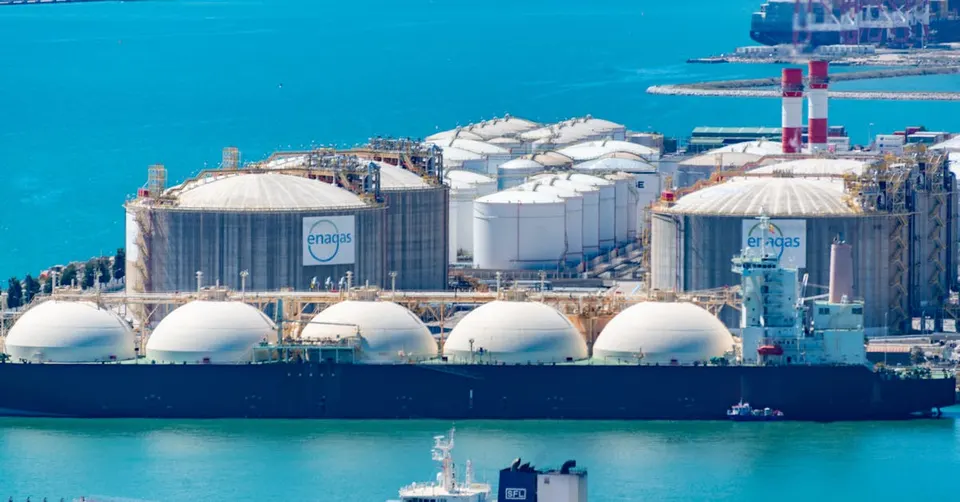
The fragility of the global energy architecture is being further tested by industrial action in the Southern Hemisphere. Australian trade unions have notified Japanese energy firm Inpex of potential work stoppages at the Ichthys LNG facilities starting May 27. This strike threatens to further tighten a global liquefied natural gas market that is already stretched thin by the ongoing conflict in the Middle East. With over 240 planned work bans, the potential for a prolonged supply gap is real, reminding markets that even localized labor disputes can have global inflationary consequences when the primary energy arteries are already under strain.
Simultaneously, the geopolitical moral high ground is being contested on other fronts. Russia’s new Human Rights Commissioner, Yana Lantratova, faces serious allegations of assisting in the illegal kidnapping and adoption of Ukrainian children. These reports, documented by Ukrainian authorities, add another layer of complexity to the international sanctions regime and the moral isolation of Moscow. For global investors, these overlapping crises—from labor strikes in Australia to human rights violations in Eastern Europe—create a high-risk environment where supply chains are perpetually at risk of breaking. In this climate, gold remains a preferred hedge, with the 18k price in Iran holding steady at 19,842,559 Toman per gram.
Frequently Asked Questions
Why is Trump's approval rating falling in May 2026?
How does Brazil's record oil production affect Iran's geopolitical leverage?
What is the significance of the Australian LNG strike for global markets?
Understanding Energy Security in a Volatile World
Energy security is a foundational concept in international relations and economics, referring to the uninterrupted availability of energy sources at an affordable price. For any modern economy, reliable access to energy is not just a convenience but a critical determinant of national stability, economic growth, and societal well-being. Without a stable energy supply, industries falter, transportation grinds to a halt, and daily life for citizens becomes profoundly disrupted. Therefore, nations prioritize energy security as a core component of their national security strategies.
The global energy landscape is inherently susceptible to various disruptions, making energy security a constant challenge. Geopolitical tensions, such as those in the Strait of Hormuz or the economic impacts of potential conflicts like an Iran war, can threaten vital shipping lanes and supply routes. Similarly, localized events like the Australian LNG strike can have ripple effects across international markets, leading to supply shortages and price spikes. These events underscore how interconnected the global energy system is and how quickly a regional issue can escalate into a global energy shock, affecting everything from commodity prices to government budgets and consumer purchasing power.
To mitigate these risks and enhance energy security, nations employ a range of strategies. Diversification of energy sources and suppliers is paramount, exemplified by countries like Brazil increasing their oil production to buffer global shocks. Investing in strategic petroleum reserves, promoting renewable energy sources, improving energy efficiency, and fostering international cooperation are also crucial steps. These measures aim to reduce dependence on single suppliers or vulnerable routes, ensuring resilience against market volatility and geopolitical instability. Ultimately, achieving energy security is an ongoing, adaptive process, crucial for navigating the complexities of a rapidly changing world.
Topics
Related Articles