London Terror Trial Links Iran to Journalist Stabbing as Trump’s ICE Surge Hits 145,000 Children
افشای نقش ایران در ترور نافرجام لندن و شوک کودتای مهاجرتی ترامپ؛ آرامش شکننده در بازار ارز تهران
A UK court has heard evidence linking the Iranian state to the 2024 stabbing of a dissident journalist, while a new study reveals that 145,000 children have been separated from parents under Trump's latest ICE surge. Meanwhile, markets see a slight dip in the Toman as global energy analysts warn of a looming fertilizer shock.
At time of publishing
USD
179,650
Toman
Gold 18K
19.77M
Toman / gram
Bitcoin
$76,285
US Dollar
Tether
17,875
Toman
The London Stabbing: A State-Sponsored Plot Exposed
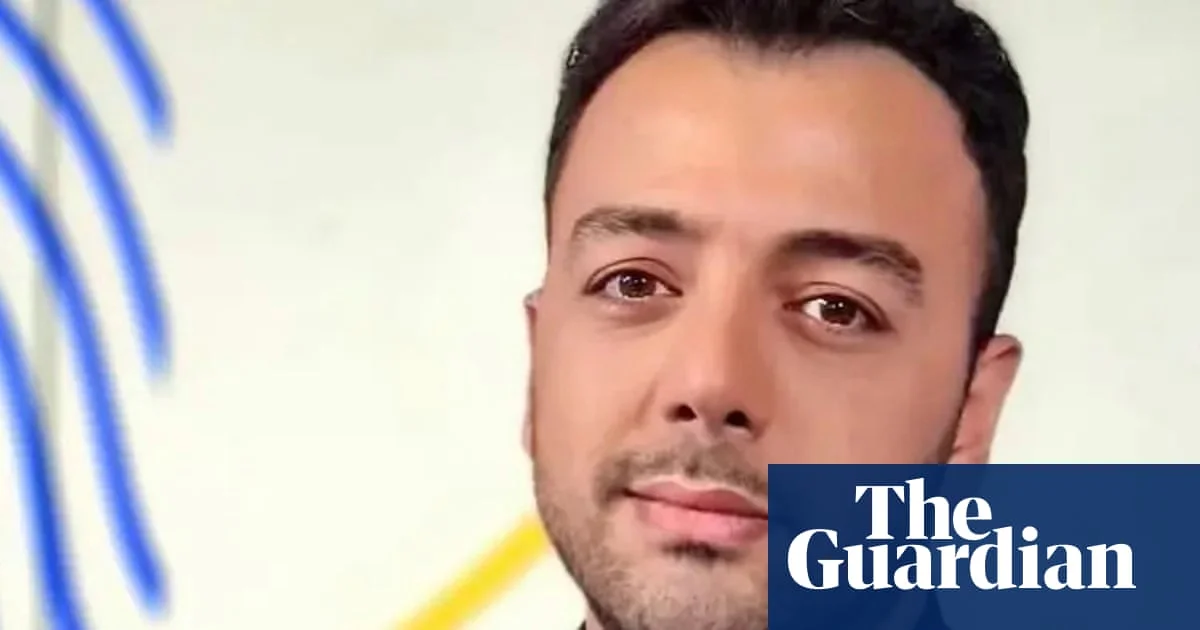
A London court has received explosive testimony regarding the March 2024 attack on Pouria Zeraati, a journalist for the dissident Farsi-language broadcaster Iran International. Prosecutors stated that the stabbing, which left Zeraati with multiple leg wounds outside his home, was not a random act of violence but a meticulously planned operation ordered by a third party acting on behalf of the Iranian state. This revelation underscores the increasing reach of Tehran’s intelligence services in targeting critics on foreign soil, a trend that has prompted Western security agencies to significantly upgrade their domestic surveillance and protection protocols for political exiles.
What is particularly alarming is the recruitment method identified by investigators. Rather than using seasoned intelligence officers, the operation appears to have utilized "disposable operatives"—individuals with criminal backgrounds or those hired through shadowy digital channels who may not even share the regime's ideology. This shift toward using proxies and "operatives for hire" provides the Iranian state with a layer of plausible deniability while making it harder for Western counter-terrorism units to track traditional state-actor signatures. The court heard that these operatives are increasingly being recruited via technology, turning global cities into battlegrounds for a low-intensity conflict that threatens the safety of the Iranian diaspora.

The Human Cost of Trump’s Immigration Surge
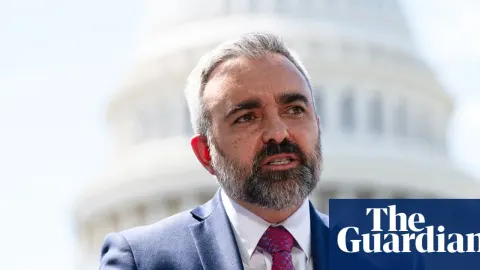
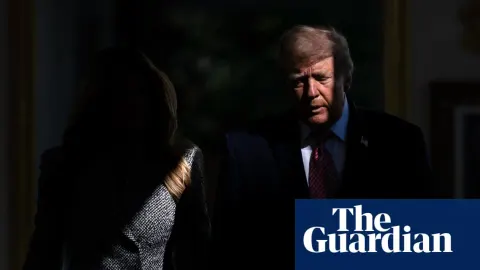
In the United States, the scale of Donald Trump’s second-term immigration crackdown is coming into sharp focus. A new study by the Brookings Institution estimates that over 145,000 US-citizen children have been separated from their parents since the start of the administration’s mass deportation campaign in January. The report highlights a staggering humanitarian crisis, noting that approximately 36% of these children are under the age of six. For many families, the detention of co-resident parents has left thousands of American children in a state of legal and social limbo, sparking intense domestic debate and legal challenges from human rights organizations.
This policy, characterized by a massive surge in ICE (Immigration and Customs Enforcement) activity, is not just a domestic social issue; it has significant geopolitical and economic ripples. The aggressive stance on borders is part of a broader "America First" strategy that includes trade protectionism and a confrontational foreign policy toward Iran and China. For markets, this domestic instability and the potential for labor shortages in key sectors like agriculture and construction contribute to a general atmosphere of uncertainty, even as the administration maintains that these measures are necessary for national security and economic sovereignty.

Global Markets and the Looming Fertilizer Shock
As the regional conflict involving Iran enters a more volatile phase, energy and agricultural analysts are sounding the alarm over a potential global fertilizer shock. The Persian Gulf is a critical hub for the production and shipment of nitrogen-based fertilizers, and any sustained disruption to these supply chains could trigger a massive spike in global food prices. Experts point to "Liebig's Law of the Minimum," which states that agricultural growth is limited by the scarcest essential nutrient. If the Iran war chokes off the supply of essential mineral fertilizers, the impact on global crop yields could be catastrophic, potentially leading to food insecurity in vulnerable regions far beyond the Middle East.
In Tehran, the markets are reflecting a cautious wait-and-see approach. The USD/IRR exchange rate saw a slight downward correction, moving from 180,400 to 179,650, a decrease of 0.4%. Similarly, the price of 18k gold per gram dropped by 0.4% to 19,765,224 Toman. The most notable movement was in the Emami gold coin, which fell from 194,500,000 to 191,000,000 Toman, a 1.8% decline. This cooling of prices suggests that while geopolitical tensions remain high, the immediate panic that characterized previous weeks has slightly subsided, though the underlying risk of an energy or commodity shock remains a dominant theme for investors.
Tech Legal Battles: Musk vs. OpenAI
In the world of technology, a high-profile legal saga has reached a significant milestone. A jury has tossed out Elon Musk's lawsuit against OpenAI and its CEO, Sam Altman. Musk had accused the company he co-founded of "stealing a charity" and abandoning its original non-profit mission in favor of a commercial partnership with Microsoft. The verdict, delivered after nearly a month of testimony, represents a major victory for Altman and OpenAI, reinforcing the company's current corporate structure as it continues to dominate the generative AI landscape. For the broader tech industry, this ruling provides clarity on the legal boundaries of non-profit-to-profit transitions in the AI sector.
However, the rivalry between the world's most prominent tech figures is far from over. While the lawsuit was dismissed, the ideological rift regarding the safety and democratization of artificial intelligence continues to widen. Musk has already pivoted toward his own AI venture, xAI, while OpenAI prepares for its next major model release. This legal victory allows OpenAI to focus on its upcoming earnings and product cycles without the immediate shadow of a multi-billion dollar litigation, but it also signals that the battle for the "soul" of AI will continue to play out in the court of public opinion and through intense market competition.
Frequently Asked Questions
Why is the London stabbing case significant for the Iranian diaspora?
How is Trump's immigration policy affecting US-born children?
What is the 'Fertilizer Shock' mentioned by analysts?
Why did the Emami gold coin price drop by 1.8%?
Understanding State‑Sponsored Terrorism
State‑sponsored terrorism refers to violent acts carried out by non‑state actors—such as militant groups, proxy forces, or individual operatives—under the direction, support, or financing of a sovereign government. The concept is not a formal legal term in international law, but it is used by policymakers to flag regimes that deliberately use terror as a tool of foreign policy. The United States maintains a list of state sponsors of terrorism, updated by the State Department, which imposes sanctions, export controls, and diplomatic restrictions on the designated countries.
Iran has been on that list since 1984, removed briefly in 2015, and reinstated in 2020 after the U.S. concluded that Tehran continued to fund and train proxy militias in the Middle East. Allegations range from supplying weapons to Hezbollah in Lebanon, backing the Houthis in Yemen, to covertly supporting plots against dissidents abroad – such as the recent London stabbing case linked to an Iranian‑connected network. These activities illustrate how a state can extend its geopolitical reach while maintaining plausible deniability, using intermediaries to avoid direct attribution.
The legal consequences of being labeled a state sponsor are severe. U.S. sanctions block any American investment, restrict access to the international banking system, and prohibit the export of dual‑use technology. Other countries often follow suit, leading to broader economic isolation. Moreover, the designation provides a basis for criminal prosecutions in foreign courts, where prosecutors can argue that the defendant acted on behalf of a foreign government, potentially invoking statutes like the U.S. Foreign Terrorist Organizations (FTO) law or the UK’s Terrorism Act.
Understanding this concept helps explain why governments react strongly to alleged Iranian involvement in attacks abroad, why diplomatic negotiations become fraught, and how the label can be both a tool of pressure and a point of contention in international relations. It also sheds light on the broader debate about the limits of state responsibility for non‑state actors and the challenges of attribution in the digital age.
Topics
Related Articles